
Explaining paganism to non-pagans can feel nerve-racking, but it doesn't have to be.
It doesn't matter if you're brand new to paganism or have been part of the community for years: sooner or later someone asks, "So what do you actually believe?" It might be a curious friend, a worried parent or a coworker who noticed your moon necklace. Knowing how to explain paganism in simple, warm words makes these conversations much easier for everyone.
Here are our best tips for talking about paganism, Wicca and witchcraft with non-pagan friends, family and anyone who wants to understand your path, plus simple answers to the questions people ask most.
How to Explain Paganism in 7 Steps
- Decide if, when and how much to share. You never owe anyone an explanation. Choose a calm moment, and put your safety first.
- Ask what they already know. Find out if you're starting from a blank slate or from movie myths.
- Start with one simple sentence. For example: "Paganism is a nature-based spirituality. I celebrate the seasons and see the sacred in the natural world."
- Talk about what you do, not what you don't. Share your favorite festival or ritual instead of listing things you aren't.
- Use everyday words. "Nature-based spirituality" lands more gently than "witchcraft" for most people at first.
- Invite questions and be patient. Questions mean they're interested. It may take more than one talk.
- Offer something to read or share. Point them to a good article, or invite them to a simple seasonal meal.
What Paganism Means: A Simple Definition

The word "pagan" comes from the Latin paganus, which once meant a country dweller or civilian. Today we use the term for people who follow nature-based, often polytheistic spiritual paths.
Paganism is an umbrella term for many traditions, such as Wicca, Druidry and Heathenry, that are inspired by pre-Christian religions. Many pagans honor the old gods and goddesses and believe that nature is sacred and that the divine can take many forms. There's no single "right" way to be a pagan: some follow an established tradition, and many practice on their own. If you need a refresher on how the pieces fit together, read the difference between Wicca and paganism.
These definitions help us, but they aren't always helpful to non-pagans. To really help someone understand why you chose this path, there are better ways in.
Find Out What They Already Know

Before you explain anything, ask what (if anything) they already know. They might have some basic knowledge and want to go deeper. They might even be curious about becoming a pagan themselves, in which case you can point them to good beginner resources like what is Wicca?
Thanks to popular culture, some people think they already know all about paganism or Wicca from films like The Craft, The VVitch, Midsommar, The Wicker Man and The Blair Witch Project. Those films can be fun, but they show witchcraft and paganism in a dark, dramatic light that has little to do with real life.

Films with "good" witches paint a kinder picture, but they still don't show what pagans actually do. If someone's ideas come from the screen, you may need to gently set the record straight first. If they're starting from a blank slate, even better: you get to paint them a true picture of the path you love.
The Best Way to Explain Paganism

Most pagans respect other people's religions, and it helps to show that respect in the conversation. Be mindful when you talk with someone from a strict religious background. It may take them time to understand, and they may worry about you out of love.
It also helps to know how your family and friends feel about religion in general. That tells you where to start. When you're ready, these tips will help.
Keep It Simple

Definitions aren't very exciting, and they can confuse people more than they help. It's usually more interesting to hear what you believe and what you actually do.
Keep your words simple. "Nature-based spirituality" is often a gentler start than "magick," "witchcraft" or "witch." You can introduce those words later, once the person has a picture of what your path looks like.
Focus on What Paganism Is
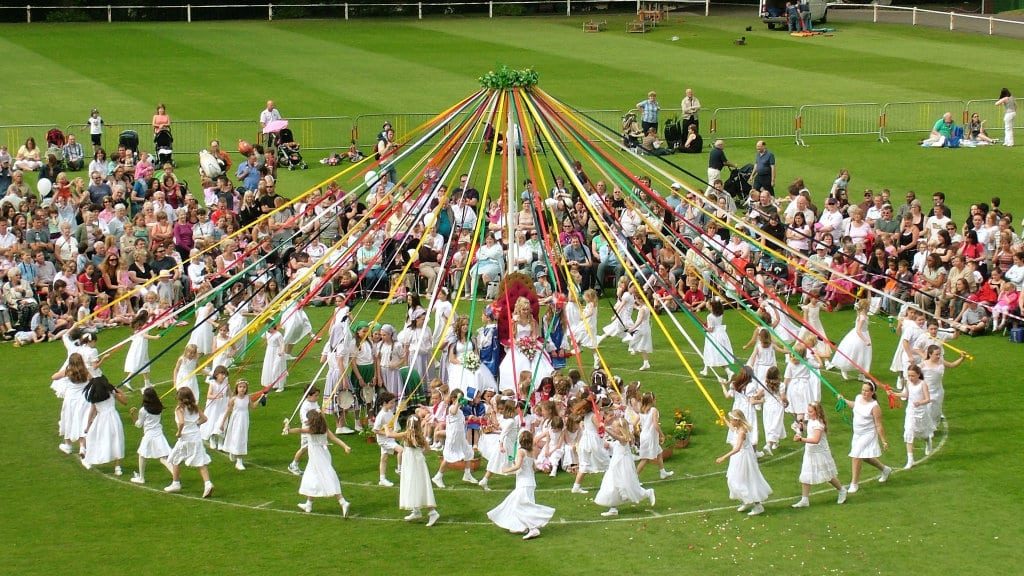
Try not to spend the conversation explaining what paganism is not. If you keep saying "we don't do anything evil," the person may only remember the scary images. Focus instead on what you do: your connection to nature, the gods you honor, the festivals you celebrate and how welcoming your community is. A story about dancing around a maypole at Beltane or setting a place for the ancestors at Samhain paints a clearer picture than any definition.
Always Be Patient

Explaining something new, especially something spiritual, takes time. Give people space to process, however long that takes. You'll probably answer a lot of questions, so be patient. If they're asking, they care and want to understand.
How to Explain Paganism to Different People
Every audience is a little different. Here are some ideas you can adapt:
- Parents: Lead with what they'll recognize: your values, your love of nature, celebrating the seasons with good food. Reassure them you're happy and safe.
- Religious family members: Look for common ground, such as gratitude, prayer, caring for creation and honoring the dead. You don't need to debate theology.
- Children: Keep it short and joyful: "We celebrate the seasons and say thank you to the Earth." Share a simple craft or a nature walk.
- Friends: Invite them to something low-key, like a solstice dinner or a full moon walk.
- Coworkers: A brief, light answer is plenty: "I follow a nature-based spirituality, a bit like a modern version of the old seasonal festivals."
Common Questions and Simple Answers
| They might ask... | You could say... |
|---|---|
| "Is paganism a real religion?" | "Yes. It's a family of nature-based religions, and Wicca is one of them." |
| "Is it dark or dangerous?" | "Not at all. My path is about nature, kindness and the seasons. Our main rule is to harm none." |
| "Do you believe in God?" | "I see the divine in nature, and I honor a Goddess and a God." (Adjust for your own beliefs.) |
| "What do you actually do?" | "I celebrate eight seasonal festivals, light candles at the full moon and spend a lot of time outdoors." |
| "Are you trying to convert me?" | "No. Pagans don't recruit. I just wanted you to know me better." |
| "Is it like the movies?" | "Not really. Real life is a lot more gardens and candles, and a lot less drama." |
Putting It Into Words

Start by explaining that pagan beliefs are wonderfully varied. They come from different traditions, share an appreciation for nature and the physical world, and don't rely on a central authority.
Then explain how you see the world as a place full of joy and the sacred. For many pagans, the divine is right here on Earth, not far away in the sky. Many of us honor the divine in both female and male forms, and we respect that every person connects with the sacred in their own way. Pagans don't try to recruit people; anyone who's drawn to the path finds it in their own time.
If they're curious to learn more, you can share articles like what is Wicca?, the Wheel of the Year or the Wiccan Rede, which explain our beliefs in plain words. If they want to go further, our Wicca 101 course starts from the very beginning.
When You Don't Want to Explain (Yet)
You don't have to share your path with anyone until you're ready, and that's not dishonest. Many pagans stay private for years, especially if they live with family who may react badly, or at a job where religion isn't discussed. Your safety and peace come first. When the time feels right, the tips above will be there for you. And if you're feeling alone in the meantime, read you are not alone.
Final Thoughts
With patience and a warm, honest approach, you can help your friends and loved ones understand what drew you to this path in the first place. You don't need perfect words. Speak from the heart about what you love, and let the conversation grow from there.
How did your first conversation about paganism go? Share your tips with other readers.
Check out our other articles:
The Difference Between Wicca and Paganism
What Is Wicca?
You Are Not Alone
Are All Witches Wiccan?
See All Articles
Love this article? Share the magick with your friends and loved ones!
Explaining Paganism FAQs
How do you explain paganism in one sentence?
Try: "Paganism is a nature-based spirituality: I celebrate the seasons and see the sacred in the natural world." Keep it simple, then let the other person ask questions if they're curious.
Should I tell my family I'm pagan?
Only when you feel ready and safe. Many pagans wait until they understand their own path better or until they're living independently. There's no deadline, and keeping your spirituality private is a valid choice.
How do I explain paganism to a Christian family member?
Start from shared values such as gratitude, caring for creation, honoring loved ones who have died and living kindly. Avoid debating doctrine, be patient with their worries and focus on what your path means to you.
How do I explain paganism to children?
Keep it short and positive, for example: "We celebrate the seasons and say thank you to the Earth." Then show them through simple activities like nature walks, seasonal crafts and festival meals.
Do pagans try to convert people?
No. Pagans generally don't recruit or evangelize. People find paganism when they're drawn to it, which is something worth mentioning to worried friends and family.