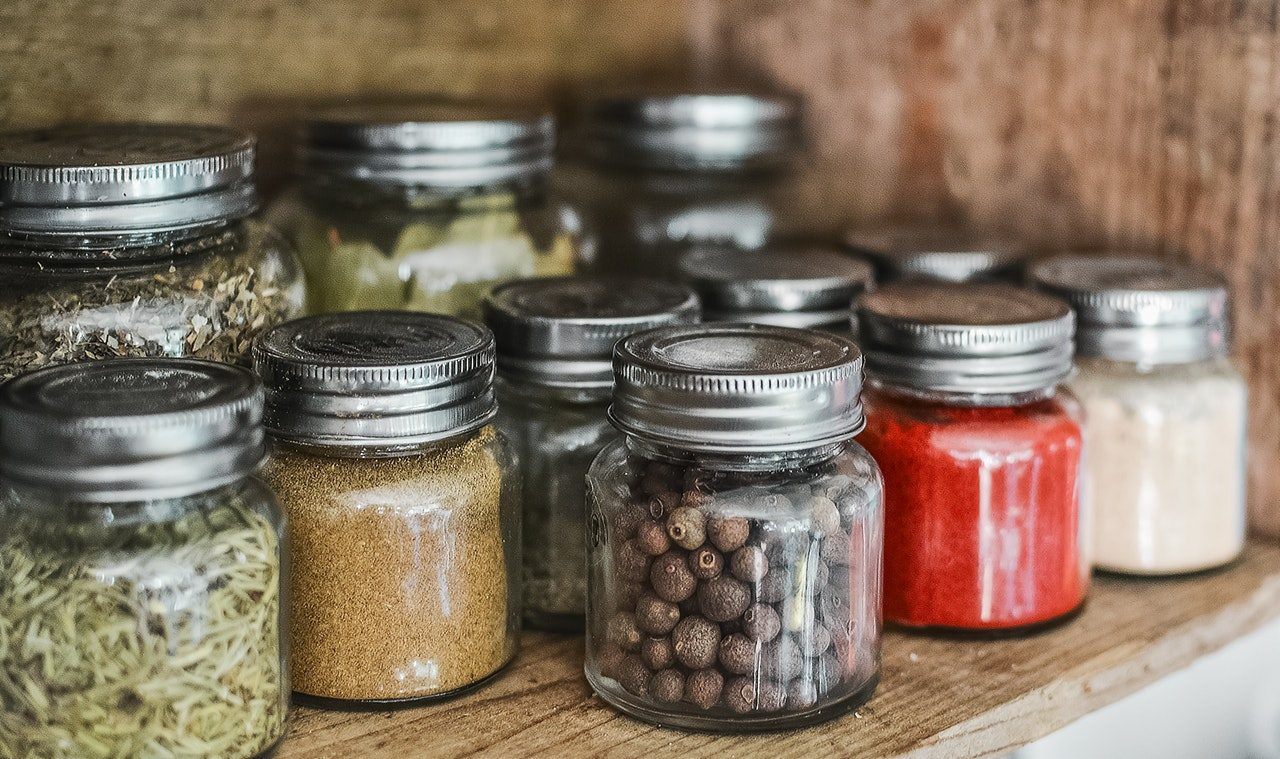
Kitchen magick turns the most ordinary room in your home into a place of everyday witchcraft. Every meal, cup of tea and pinch of salt can carry an intention.
You don't need rare ingredients or special tools for kitchen witchcraft. Your pantry is already full of herbs, spices and foods with long magickal histories. What changes is how you use them: with attention, intention and a little ritual.
In this guide you'll learn what kitchen magick is, how to start in six simple steps, how to set up a kitchen altar, the magickal meanings of common kitchen herbs and spices, easy kitchen spells, and two honey cake recipes for the summer solstice.
How to Start Kitchen Magick in 6 Steps
- Cleanse your kitchen. Clean it physically first, then clear the energy with fresh air, a lemon water wipe-down or a simmer pot.
- Set up a small kitchen altar. A corner of the counter or a shelf is enough.
- Learn your pantry. Look up the magickal meanings of the herbs and spices you use most (see the table below).
- Cook with intention. Before you start, decide what you want the meal to bring: comfort, protection, love, energy.
- Stir and speak. Stir clockwise to draw something in, counterclockwise to send something away, and say your intention as you go.
- Give thanks. Before eating, take a moment to thank the Earth, the Goddess and God, or everyone who helped bring the food to your table.
What Is Kitchen Magick?
Kitchen magick (also called kitchen witchcraft) is the practice of weaving magick into cooking, baking, brewing and caring for your home. A kitchen witch sees the kitchen as the heart of the home and the stove as the modern hearth. It's practical, earthy magick that fits easily into a busy life.
It also fits beautifully into Wicca. Cooking brings all four elements together: the earth of your ingredients, the water in the pot, the fire of the stove and the air that carries the scent through the house. Sharing food with the people you love, or offering a little of it to the Goddess and God, is one of the oldest acts of devotion there is. If kitchen magick feels like home to you, you might be a kitchen or hearth witch. Our witch type quiz can help you find out.
Setting Up a Kitchen Altar
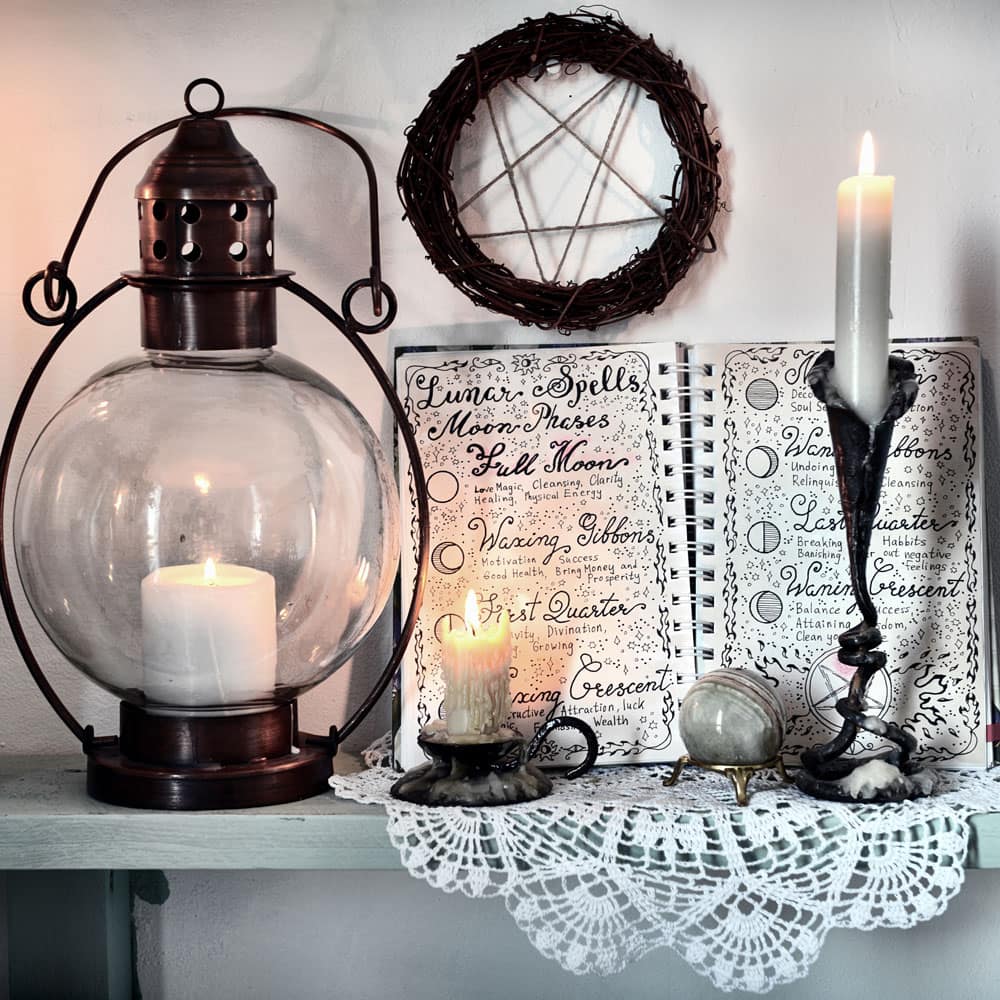
For centuries, the kitchen has been thought of as the heart of the home. It's where the hearth once stood, the warmest room in the house and the place where food was made for the family. If you spend a lot of time there, it's a natural spot for an altar.
A kitchen altar doesn't need to be fancy. All you need is a smooth, sturdy surface: an unused corner of the counter, a windowsill or a floating shelf. Here are some ideas for what to put on it. Our guide to Wiccan altars has more.
- A kitchen witch doll: A little figure of a witch, often on a broomstick, hung in the kitchen for good luck. The custom is usually traced to Northern European folk tradition. Many kitchen witches see her as a guardian who keeps pots from boiling over and bread from burning.
- Candles: Choose colors that match your intention: green for growth and abundance, orange for energy, white for blessing. Our guide to candle color meanings covers them all. Birthday candles are a cheap, colorful option, and they burn down quickly, which is handy for spells that ask you to let a candle burn out. Keep every flame away from towels and curtains.
- Your recipe book or grimoire: Keeping your recipes and kitchen spells on the altar lets them soak up the energy of the space.
- Favorite utensils: A wooden spoon you use every day is perfect. Carve or paint a sigil on the handle and let it charge on the altar.
- Small bowls of herbs and salt: Salt for protection and cleansing, thyme for courage and love, or any herb you feel drawn to. These can double as offerings.
Kitchen Herbs and Spices and Their Magickal Uses
The easiest way to start kitchen magick is to learn what the ingredients you already use mean. Here are some of the most common, with simple ways to use them.
| Ingredient | Magickal uses | Try it in |
|---|---|---|
| Basil | Love, wealth, protection | Pasta sauce, pesto, salads |
| Bay leaf | Protection, wishes, success | Soups and stews (write a wish on it first) |
| Black pepper | Protection, banishing negativity | Savory dishes, a protection jar |
| Cinnamon | Prosperity, success, warmth, love | Porridge, baking, hot drinks |
| Cumin | Protection, fidelity | Curries, chili, roasted vegetables |
| Garlic | Protection, health, strength | Soups, roasts, sauces |
| Ginger | Energy, success, courage | Stir-fries, tea, gingerbread |
| Honey | Sweetness, love, harmony, offerings | Tea, baking, offerings |
| Lemon | Cleansing, clarity, friendship | Drinks, dressings, cleaning water |
| Mint | Prosperity, healing, fresh starts | Tea, salads, desserts |
| Rosemary | Protection, memory, cleansing | Roast potatoes, bread, focaccia |
| Salt | Protection, purification, grounding | Everything, and a line by the door |
| Thyme | Courage, love, health | Roasts, soups, stuffing |
| Vanilla | Love, comfort, calm | Baking, warm milk |
For a deeper look at protective plants, read our guide to herbs for protection, and if you'd like to grow your own, see 13 Best Herbs for a Witch's Garden. Our free Witch's Cabinet lists the correspondences of hundreds more.
Cooking With Intention
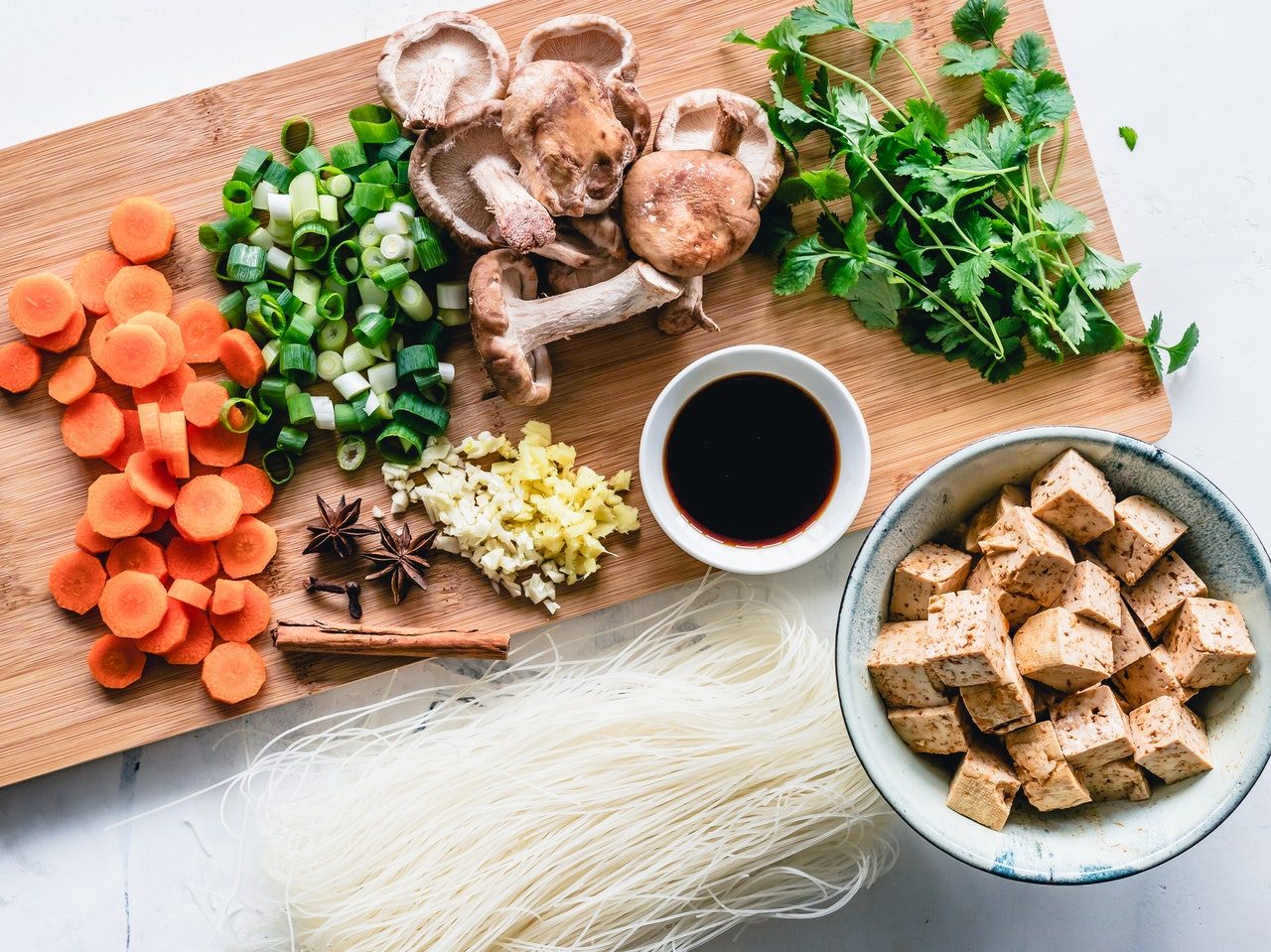
You don't need an altar to bring magick into your food. The simplest way is to be mindful: notice each ingredient, think about what it brings to the dish, and keep your thoughts calm and positive while you cook. Many witches believe the cook's mood goes into the food, so try not to cook angry, or take a few breaths first.
A few more tips:
- Save your citrus peels. Dried orange and lemon peel are great for prosperity and cleansing spells. Lemon is especially versatile: a bowl of lemons is said to keep negativity out of the home, and lemon water is perfect for cleansing objects and surfaces.
- Bake in sigils. Draw a sigil on the bottom of a pie crust, or make one from icing, sprinkles or pastry on top.
- Stir with purpose. Trace sigils in sauces and soups as you stir. Stir clockwise to draw in your intention, and counterclockwise to banish or keep negative energy away.
- Cleanse your kitchen regularly, especially the stove, your modern hearth. Our guide to spiritual cleansing has methods that don't need smoke, which is useful near smoke alarms.
Kitchen Magick Before and After Cooking
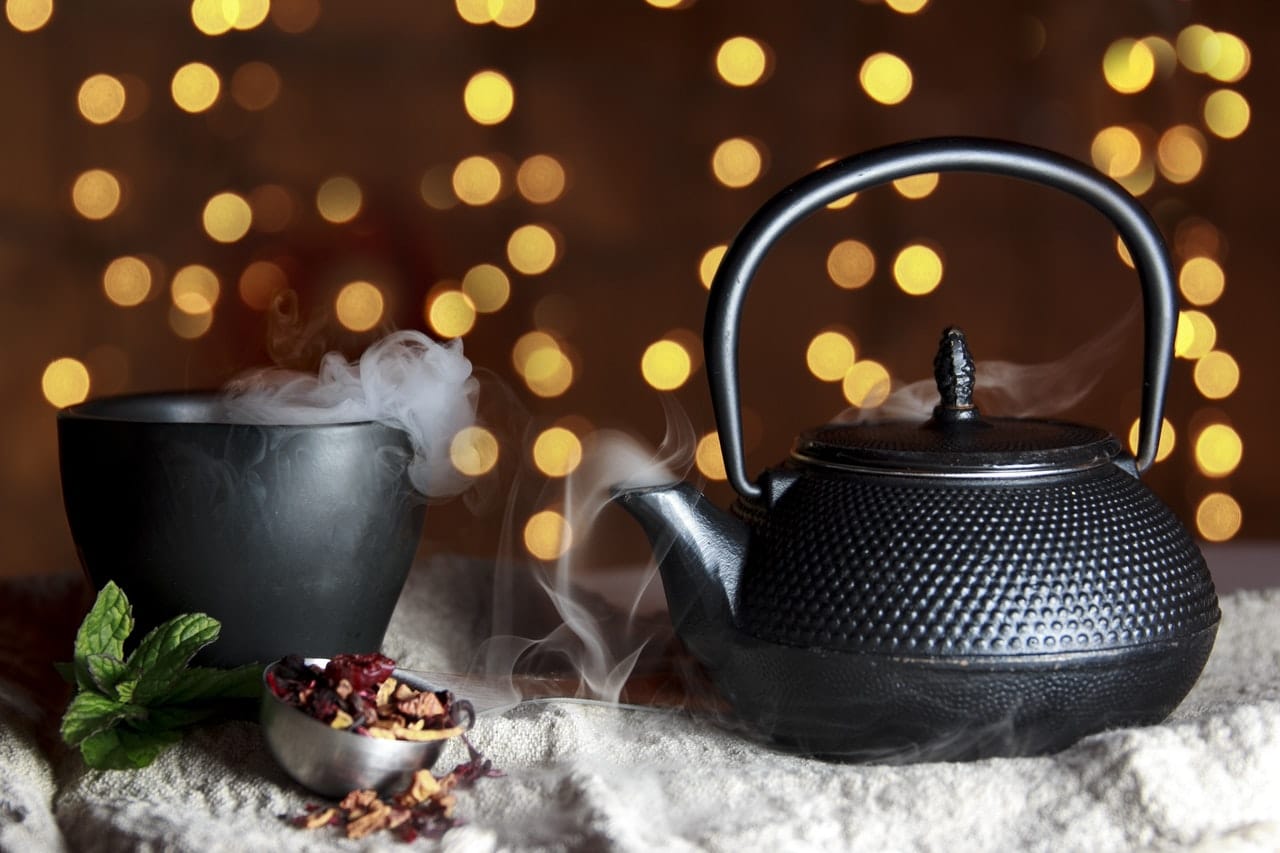
Kitchen magick doesn't end when the food is ready. Before you eat, take a moment to settle into a grateful, open frame of mind. Even if you didn't cook the meal yourself, a few seconds of thanks and a thought about what the food can give you turns eating into a small ritual. Our Thanksgiving table blessings give you words for a big family meal.
A daily kitchen ritual helps too. Two of the most popular are making tea and grinding coffee. Tea has been used for divination for centuries, and brewing it with intention is a lovely daily practice: our guide to tea magick has easy tea spells to start with. Coffee is often called a modern spell booster (no surprise, given what it does for us). Add a little ground coffee to jar spells to speed them up, or grind the beans by hand as a grounding ritual first thing in the morning. Many witches also use coffee to banish negative energy: set a candle carved with your sigil in a jar, fill the space around it with coffee beans, and enjoy the aroma as it clears your home.
Most of all, don't rush. Kitchen magick is easy, but it works slowly and quietly. Many witches give a spell a set time, like a moon cycle, and then let it go if nothing has changed. Perhaps the time wasn't right. Trust the process, and the results will become clear.
Simple Kitchen Spells
Blessing for a Meal
Hold your hands over the food before serving and say: "Earth that grew it, sun that ripened it, hands that made it, bless this food and all who share it." For a whole loaf baked as a spell, see our guide to harvest bread magick.
Clockwise Stirring Spell
Choose one intention for the dish, such as comfort, courage or love. Each time you stir, go clockwise and repeat a short phrase like "With every turn, I stir in peace." Serve it with love.
Kitchen Cleansing Wash
Add the juice of one lemon, a pinch of salt and a sprig of rosemary to a bowl of warm water. Wipe your counters, stove and doorways with it, moving toward the door, while you picture any heaviness leaving the room. Test on a small area first, since lemon can mark some stone surfaces.
Prosperity on the First of the Month
Many witches blow a pinch of ground cinnamon through their front door on the first day of each month to invite abundance. Our article on the cinnamon ritual explains how.
Kitchen Magick Safety
- Only cook with ingredients you know are food-safe, and check for allergies before you feed anyone.
- Don't put essential oils in food unless they're sold as food-grade flavorings, and never give herbs or oils to pets without checking they're safe.
- Never leave candles, simmer pots or a hot stove unattended.
- Kitchen magick supports wellbeing but doesn't replace medical care.
Summer Solstice Honey Cakes
Honey cakes are a lovely way to celebrate Litha, the summer solstice, and they're a fun kitchen project to make with children.
Why Honey?
Honey has long been a favorite offering for deities and spirits, and in kitchen magick it brings sweetness, love and harmony. Many Wiccans share cakes (sometimes honey cakes) during the "cakes and ale" part of Sabbat and Esbat rituals.
Why Honey Cakes?
Honey cakes are among the oldest sweet treats we know of. Honey was used to sweeten cakes in ancient Egypt and Greece, and honey cakes are still traditional in many Eastern European kitchens. Some witches also leave a little honey cake out for the faeries at the end of the garden.
The recipe is simple. Use a silicone honeycomb mold if you have one (the hexagon shape is a nice touch), or any cake pan or muffin tin.
- 3 cups all-purpose flour
- 3/4 tablespoon baking powder
- 1/2 teaspoon baking soda
- 3/4 cup sugar
- 1 teaspoon salt
- 1/4 cup honey
- 2 sticks (1 cup) butter, softened
- 4 eggs
- 1 cup milk
- 1 tablespoon vanilla extract
- Oil or cooking spray to grease your mold
- Preheat your oven to 335°F (about 170°C).
- Mix the flour, baking powder, baking soda and salt in a bowl and set aside.
- Cream the butter and sugar together, then beat in the eggs one at a time. Add the honey and vanilla.
- Add the dry ingredients and the milk a little at a time, alternating between them, and beat until smooth. Stir clockwise and speak your intention as you mix.
- Pour the batter into the greased mold and bake for 40 to 50 minutes, depending on its size. Keep an eye on it: honey browns faster than sugar, so smaller cakes may be ready sooner.
- Cool for at least 2 hours, then turn the mold out onto parchment paper and gently ease it off.
(Recipe adapted from Moody Moons.)
Fried Honey Cakes
For a quicker version with a little twist, try these fried honey cakes. Makes about 18.
- 1/2 cup sweet white wine
- 2 tablespoons sugar
- 1 egg
- 2/3 cup flour
- 1/8 teaspoon cinnamon
- 1/8 teaspoon salt
- 1 cup honey
- 1/8 teaspoon nutmeg
- Oil for frying
- Beat the wine, sugar and egg together in a medium bowl.
- Mix the flour, cinnamon and salt in another bowl, then stir them into the egg mixture. Beat until smooth and let it stand for a few minutes.
- Mix the honey and nutmeg together.
- Heat 1/2 inch of oil in a frying pan until hot but not smoking. Never leave hot oil unattended.
- Drop tablespoons of batter into the oil and fry until golden brown on both sides.
- Drain on paper towels, then dip in the honey and nutmeg mixture and serve.
Final Thoughts
Kitchen magick shows that witchcraft can live in the most everyday parts of life. Start small: bless one meal, stir one intention into your morning tea, or set up a tiny altar by the stove. Over time, your kitchen will feel more and more like the sacred heart of your home. If you want to learn the herbs, symbols and basics of Wicca step by step, our Wicca 101 course is a great place to begin.
What's your favorite ingredient to cook with magickally? Tell us in the comments!
Check out our other articles:
Tea Magick: A Beginner’s Guide to Tea Spells
Simmer Pots: Recipes and Spells
Herbs for Protection
13 Best Herbs for a Witch’s Garden
See All Articles
Love this article? Share the magick with your friends and loved ones!
Kitchen Magick FAQs
What is a kitchen witch?
A kitchen witch is someone whose practice centers on the home and the kitchen. They work magick through cooking, baking, brewing tea, gardening and caring for their household, using everyday ingredients and lots of intention.
How do I start kitchen witchcraft?
Start by cleansing your kitchen and setting up a small altar. Learn the magickal meanings of the herbs and spices you already use, then pick one intention for a meal and stir it in as you cook. Thank the food before you eat.
What herbs should every kitchen witch have?
Salt, rosemary, basil, bay leaves, cinnamon, garlic, thyme and mint cover most needs. Between them they bring protection, love, prosperity, cleansing, courage and health, and they’re easy to find and cook with.
Which way should you stir for kitchen magick?
Stir clockwise to draw something in, like love, abundance or energy. Stir counterclockwise to send something away, like stress or negative energy. Pick the direction that matches your intention.
Do you need an altar for kitchen magick?
No. An altar is nice but not necessary. Your intention, attention and the ingredients you choose are what matter. A single candle or a sprig of rosemary by the stove is plenty to start.
Can you do kitchen magick if you don’t like cooking?
Yes. Brewing tea, making a simmer pot, blessing take-out food, keeping a bowl of lemons or wiping the counters with an intention are all kitchen magick. Simple acts done mindfully count.