Are witches real? Yes, very much so. But they probably aren't the witches you've seen in films.
In most fantasy films, shows and books, there's one rule for becoming a witch: you have to be born with powers. Those who have them learn to use them, and everyone else can try all they like without casting a single spell.
Real life works differently. Real witches are people who practice witchcraft, and the craft is something you can learn. In this guide we'll look at whether witches are real, whether witchcraft itself is real, and the big question: are witches born or made?
Quick Answer: Are Witches Real, and Are They Born or Made?
Witches are real: many people around the world practice witchcraft, Wicca and other forms of folk magick today. They don't have the supernatural powers of fictional witches. Witches are mostly made, not born. Some people seem to have a natural gift, such as strong intuition, but anyone can learn the craft with study and practice.
Are Witches Real?
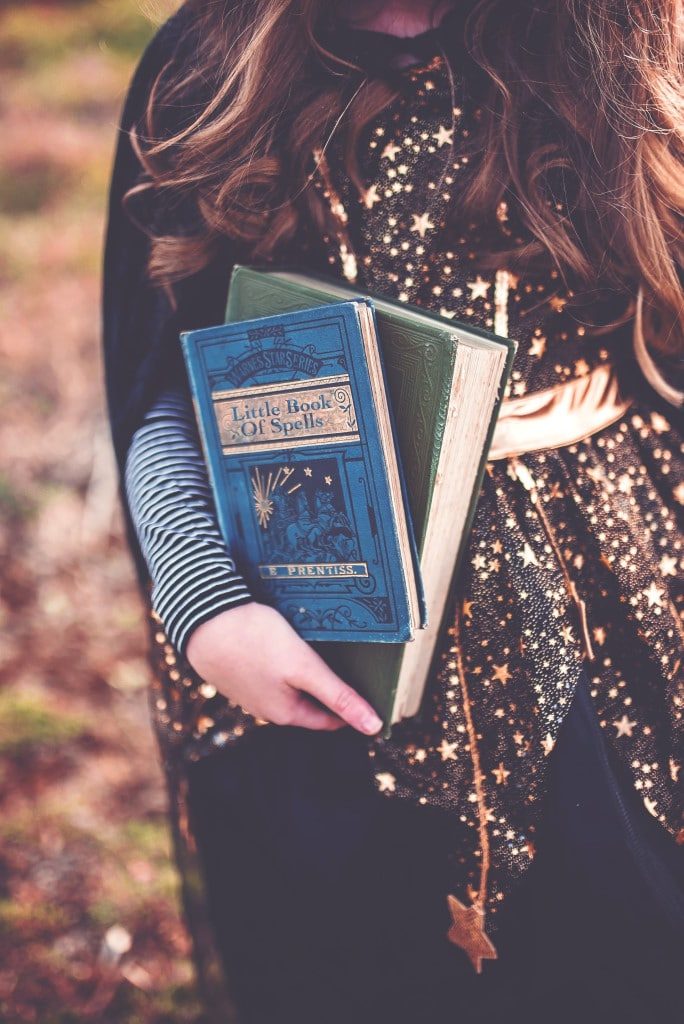
Yes. Today's witches are ordinary people: teachers, nurses, students, parents and retirees who light candles at the full moon, grow herbs, read tarot and celebrate the seasons. Some are Wiccan, some follow other pagan paths, and some practice witchcraft with no religion at all. You might never guess the person next to you on the bus is one.
What isn't real is the witch of fairy tales: the green-skinned villain who curses villages, or the teen who can freeze time with a flick of the wrist. Real witches don't fly or shapeshift. Their craft is quieter and more practical.
It's also worth knowing that most people killed in the historic European witch trials weren't witches as we'd understand them today. They were usually ordinary people, often women, the poor or outsiders, accused by neighbors in times of fear. Sadly, accusations of witchcraft still lead to harm in some parts of the world, which we cover in countries where witchcraft is illegal.
Is Witchcraft Real?
That depends on what you mean by "real." Witchcraft is certainly real as a practice. People really do cast spells, make charms, work with herbs and practice divination, and they have for thousands of years in cultures all over the world.
Whether magick works is a more personal question. Science hasn't proven that spells change the world on their own, and we won't pretend otherwise. Many witches find that their practice does bring real change: it focuses their intention, builds confidence, connects them with nature and nudges them to act on their goals. Some also feel results that are harder to explain. We encourage you to try it, keep notes, and judge for yourself.
Can You Be Born a Witch?
The simplest way to answer this is to compare witchcraft with another skill, like painting, cooking or dancing. Some people are naturally better at those things. But anyone can learn them with practice, which is why classes exist.
Witchcraft works the same way. Some people are born with strong intuition, sharp senses and a natural pull toward the craft. If they never practice, though, they'll struggle with even simple rituals. Meanwhile, people who practice regularly will see progress even if they started with no obvious talent at all.
When people talk about "born witches," they usually mean one of three things:
- A natural gift: strong intuition, vivid dreams or a deep connection to nature from childhood.
- A family tradition: a grandmother who read tea leaves or a family with its own folk remedies and charms. Some people call this a hereditary witch.
- A sense of calling: the feeling of "coming home" the first time they read about witchcraft.
All three are lovely and meaningful. None of them is required.
Signs You Might Have a Natural Gift
Many witches say they noticed certain things long before they ever cast a spell. If some of these sound familiar, you might have a head start, though they're not a test and you don't need any of them:
- You often know things before you're told, or sense the mood in a room straight away.
- Your dreams are vivid, and some seem to mean something.
- You feel deeply connected to nature, animals, the moon or the seasons.
- You've always been drawn to herbs, crystals, old stories or symbols.
- People come to you for advice or comfort.
- Coincidences seem to follow you around.
If you'd like to grow these gifts, practices like meditation, dream journaling and divination help a lot. Our course on dreams and psychic visions is a gentle place to build intuition.
Born Witch vs. Made Witch: Myths and Reality
| Myth | Reality |
|---|---|
| You have to be born a witch. | Most witches learned the craft, and anyone can. |
| Witches have supernatural powers. | Witches work with intention, nature and energy, not film-style powers. |
| Only women can be witches. | Witches can be any gender. See can men be witches? |
| You need a family tradition. | Many witches are the first in their family to practice. |
| You need an initiation to be a real witch. | Covens may initiate, but solitary witches can simply begin, or dedicate themselves. |
| Natural talent is all that matters. | Practice and patience matter more than talent. |
Can Anyone Become a Witch?
Yes. Traditionally and in the media, witches are usually women, so people sometimes assume there are no male, trans or non-binary witches. That isn't true. Witches come in every gender, race, orientation and age, and all are welcome.
All you really need is curiosity, respect and the wish to practice. The rest is learning and discovering what kind of witchcraft suits you. Our free witch type quiz and our guide to the types of witches can point you in a direction.
How Do You Become a Witch?
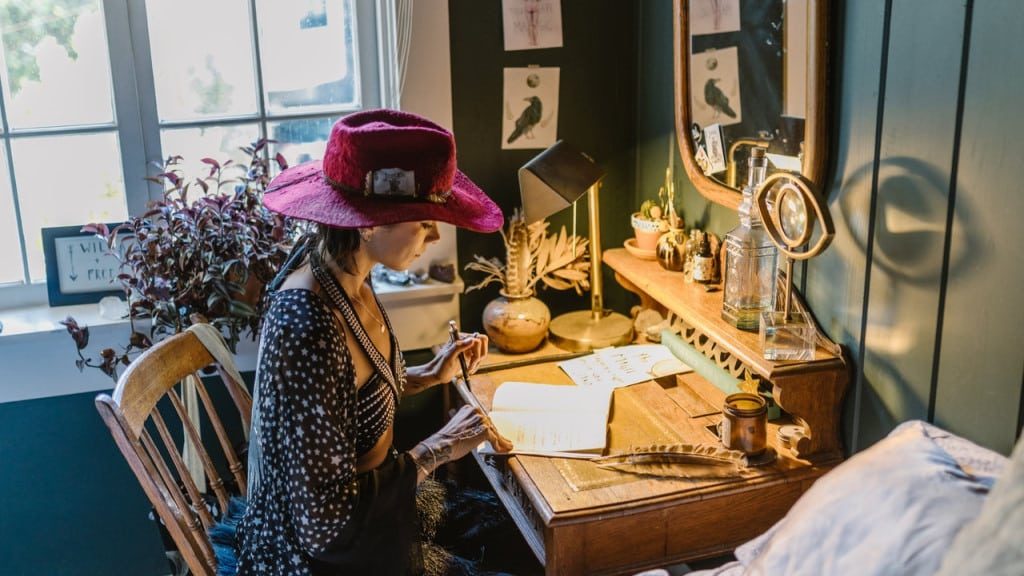
You might expect an initiation ritual, and some covens do initiate new members. Many witches never join a group, though, and simply start learning on their own. There's no single right way to practice. Whether you work with crystals, tarot or herbs, you're a witch when you choose to practice the craft.
Here's a simple way to begin:
- Read and learn. Start with what Wicca is and how it differs from other witchcraft (see are all witches Wiccan?).
- Keep a journal. Note your dreams, hunches and what you learn.
- Follow the moon. Notice each phase and try a small ritual at the full moon. See moon phases and simple rituals.
- Try one simple spell. A candle and a clear intention are enough to start.
- Reflect and adjust. Keep what works, let go of what doesn't, and trust what you feel.
For a full step-by-step guide, read how to become a witch.
Practice Beats Natural Talent
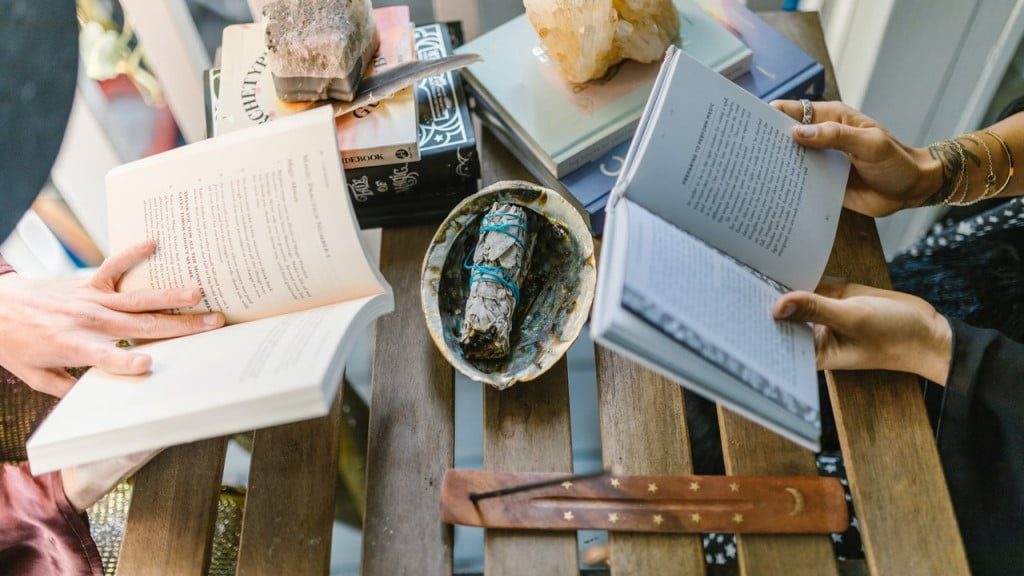
Natural talent for witchcraft is real, and people who have it may learn some things more quickly. But a gift that's never practiced doesn't grow. And if you feel you were born with no talent at all, please don't be discouraged. Many skilled witches started exactly there. It might take you longer to understand the craft, but the learning is part of the joy.
Final Thoughts
So, are witches born or made? A few are born with a head start, but every witch is made: by curiosity, study, practice and a lot of small rituals that slowly become a way of life. If you feel drawn to witchcraft, that pull is reason enough to begin.
Do you feel you were born with a gift, or did you find witchcraft later in life? We'd love to hear your story.
Check out our other articles:
How to Become a Witch
Can Men Be Witches?
Types of Witches
What Is Wicca?
See All Articles
Love this article? Share the magick with your friends and loved ones!
Born Witches FAQs
Are witches and Wiccans the same thing?
Not exactly. Wicca is a religion that includes witchcraft, while witchcraft is a practice anyone can learn. Most Wiccans are witches, but many witches aren't Wiccan and follow other paths or no religion at all.
Do real witches have powers?
Not the kind you see in films. Real witches don't fly or cast fireballs. What they call power is intention, intuition, knowledge of herbs and symbols, and the confidence to create change in their lives, which grows with practice.
What is a hereditary witch?
A hereditary witch is someone who learned witchcraft or folk magick from their family, often passed down through generations. It's one meaningful way into the craft, but you don't need a witch in your family tree to practice.
Can you become a witch if you have no natural talent?
Absolutely. Witchcraft is a skill, and like any skill it improves with practice. Many experienced witches started with no special gifts at all. Patience and regular practice matter far more than talent.
How do I know if I was born a witch?
There's no test. Some people notice strong intuition, vivid dreams or a deep pull toward nature and the moon from childhood. If you feel drawn to witchcraft, that's reason enough to start, whether or not you think you were born with a gift.