Anyone can become a witch. There's no test to pass, no bloodline you need and no one who has to give you permission.
Becoming a witch is less like flipping a switch and more like learning a craft, the way you'd learn to garden or play an instrument. You study, you practice, you notice what works, and over time it becomes part of who you are. For a long time witches had to hide, which meant very few people had a teacher. Today books, courses and online communities make it far easier to learn.
This guide shows you how to become a witch step by step: what being a witch really means, what witches mean by "power", how to start your first practice at home, and how becoming Wiccan is a little different from becoming a witch.
How to Become a Witch in 9 Steps
Here's the whole path at a glance. Each step is explained further down.
- Learn the basics. Read about witchcraft, Wicca and the different paths before you buy anything.
- Choose solitary or coven practice. Most beginners start alone, and that's completely fine.
- Find what kind of witch you are. Green, kitchen, cosmic, eclectic: follow what you already love.
- Learn the language of symbols. Elements, moon phases, colors and the Wheel of the Year.
- Start a Book of Shadows. A notebook for what you learn, your spells and how they turned out.
- Set up a simple altar. A shelf or windowsill with a candle and a few meaningful objects.
- Gather or make a few tools. A wand or besom is optional; your hands and intention are enough.
- Work with herbs. Start with kitchen herbs you already have.
- Cast your first spell. Keep it small, simple and kind, then write down what happens.
What Does It Mean to Be a Witch?
A witch is someone who practices witchcraft: working with intention, nature and energy to bring about change in their own life and the world around them. That can mean candle spells, herbal charms, reading tarot, honoring the moon or simply keeping a mindful, magickal home.
Witchcraft is a practice, not a religion. Some witches are Wiccan, some follow other pagan paths, and some keep witchcraft completely separate from any religion. Witches can be any gender, too: if you've wondered, read can men be witches? And no, you don't have to be born into it. We look at that question in are witches born or made?
How to Become a Witch With Powers: What Witches Mean by Power
Lots of people search for how to become a witch with powers, so let's be honest and kind about it. Real witches don't fly on brooms, throw fireballs or change the weather on command. Those powers belong to stories and films, and anyone who promises them, or asks for money to "activate" your powers, isn't being truthful with you.
That doesn't mean witchcraft has no power. When witches talk about power, they usually mean:
- Intention: the ability to set a clear goal and focus your energy on it.
- Intuition: a growing trust in your gut feelings, dreams and the small signs around you.
- Knowledge: knowing which herbs, colors, crystals and moon phases suit which purpose.
- Connection: feeling part of nature, the seasons and something sacred.
- Change: the confidence to act, so your spell and your everyday actions pull in the same direction.
Magick works with real life, not instead of it. A spell for a new job works best alongside a polished résumé. You can grow this kind of power with daily grounding, meditation, journaling and practice, the same way you'd build any skill. Many witches find that, over time, the biggest change is in themselves.
Step by Step: Becoming a Witch
1. Learn the Basics
Start by reading. Learn what witchcraft is, what Wicca is, and how the different paths compare. Read more than one source, and notice which ideas feel like home and which don't. A structured course like our Wicca 101 can save you from piecing it all together from random posts online, but good books and patient practice work too.
2. Decide Between Solitary and Coven Practice
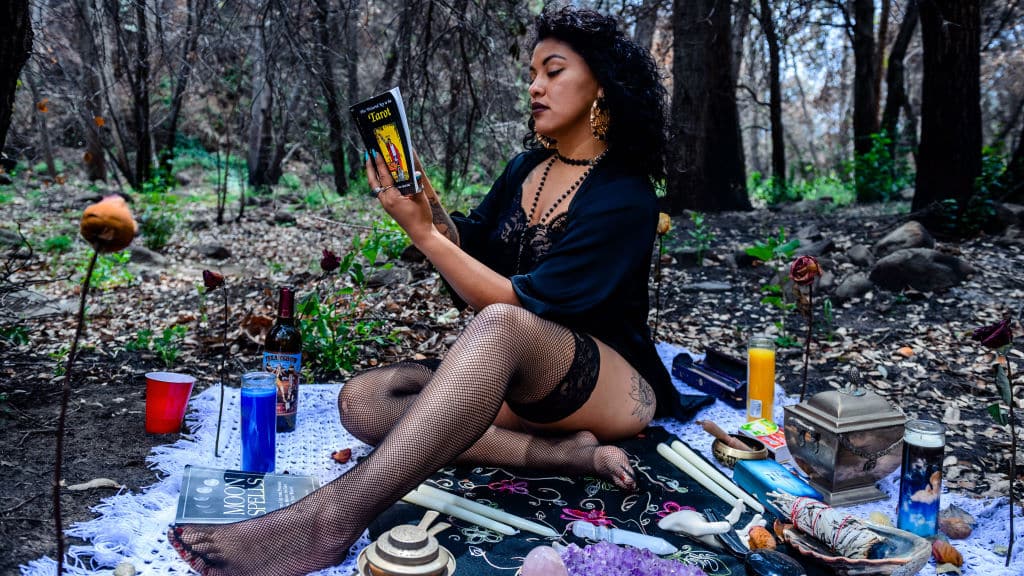
For centuries, many witches practiced alone because it was safer. Today it's a choice. A coven offers teachers, shared rituals and friendship. Solitary practice offers freedom and your own pace. Many witches do a bit of both, practicing alone most of the time and meeting others for sabbats or online study. If you practice alone, you're in good company: read about eclectic and solitary practice.
3. Find What Kind of Witch You Are
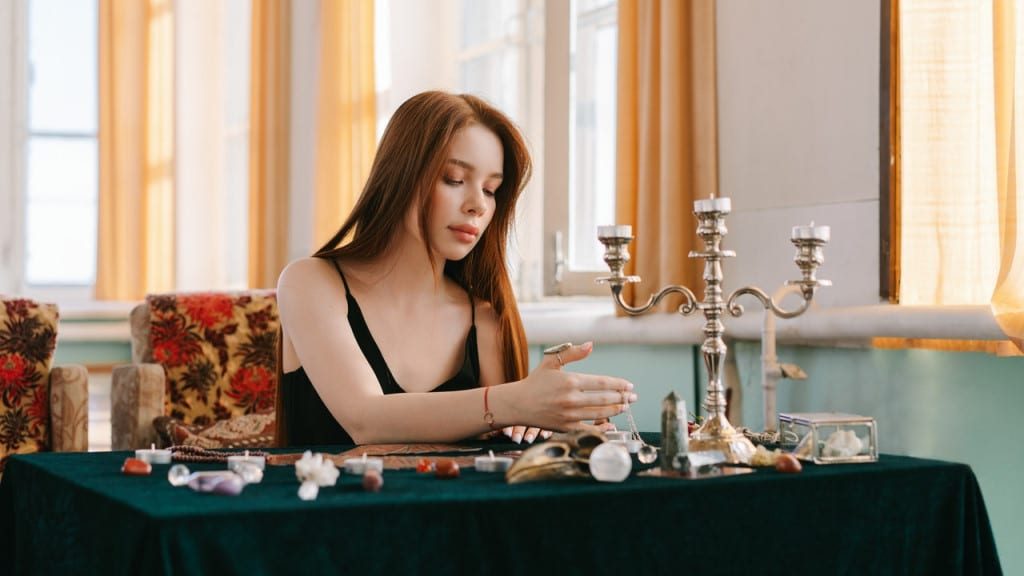
Next, figure out which kind of witchcraft speaks to you. Cosmic witches work with the planets and stars, crystal witches work with stones, and green witches work with plants. Most modern witches are eclectic, mixing practices from different sources into a blend that's their own. No method is better than another; it's about finding what works for you. Our free witch type quiz and our guide to the types of witches can help.
| If you love... | You might be a... | A good first practice |
|---|---|---|
| Plants, gardens and walks | Green witch | Grow one herb and learn its uses |
| Cooking and baking | Kitchen witch | Stir an intention into your morning tea |
| Astrology and the night sky | Cosmic witch | Look up your birth chart |
| Stones and crystals | Crystal witch | Choose one crystal and carry it for a week |
| Tarot, runes and dreams | Divination witch | Pull one tarot card each morning |
| A little of everything | Eclectic witch | Keep a journal of what you try and what works |
Some traditions are closed or rooted in a specific culture, such as Hoodoo and Brujería. If you're drawn to them, learn respectfully from practitioners of that culture rather than borrowing their practices as your own.
4. Learn the Language of Symbols
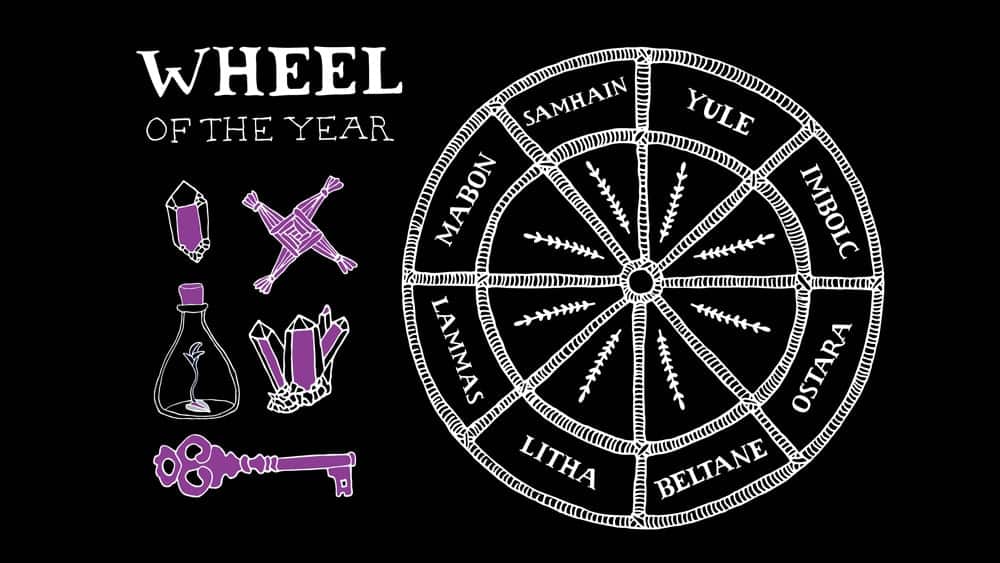
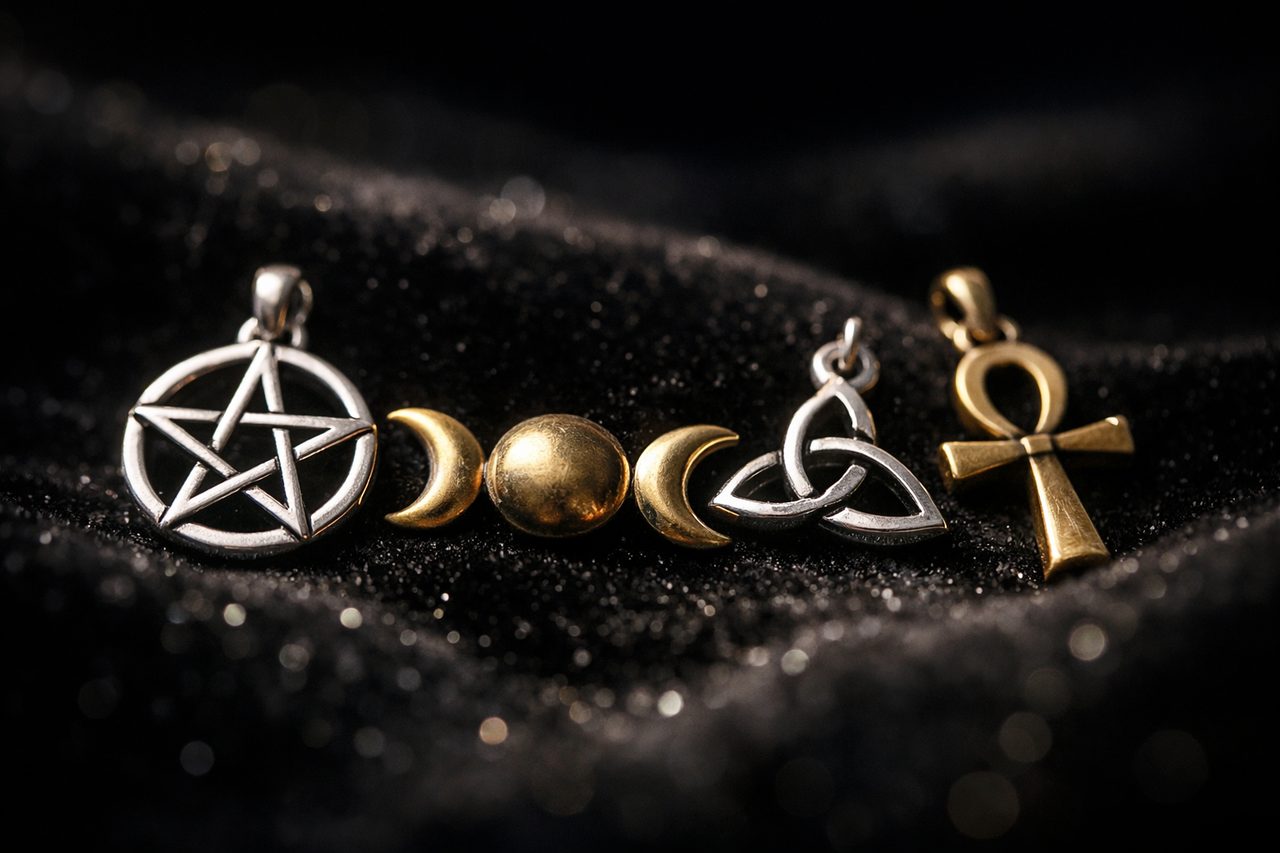
Once you start learning, you'll see that nearly everything in witchcraft has a meaning. Each sabbat on the Wheel of the Year marks a moment in nature. Many rituals honor the Moon Goddess and the Horned God. Even the candles you burn carry meaning: see our guide to candle color meanings. The Witch's Cabinet lists correspondences for herbs, crystals, colors and moon phases, so you don't have to memorize everything at once.
When you come across symbols or sigils you don't understand, write them down and look them up later.
5. Start a Book of Shadows
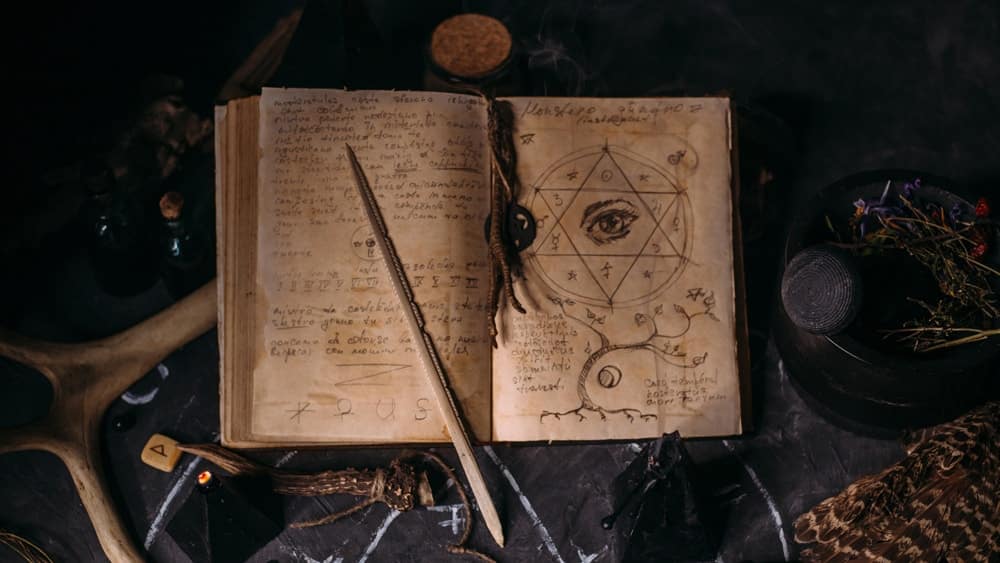
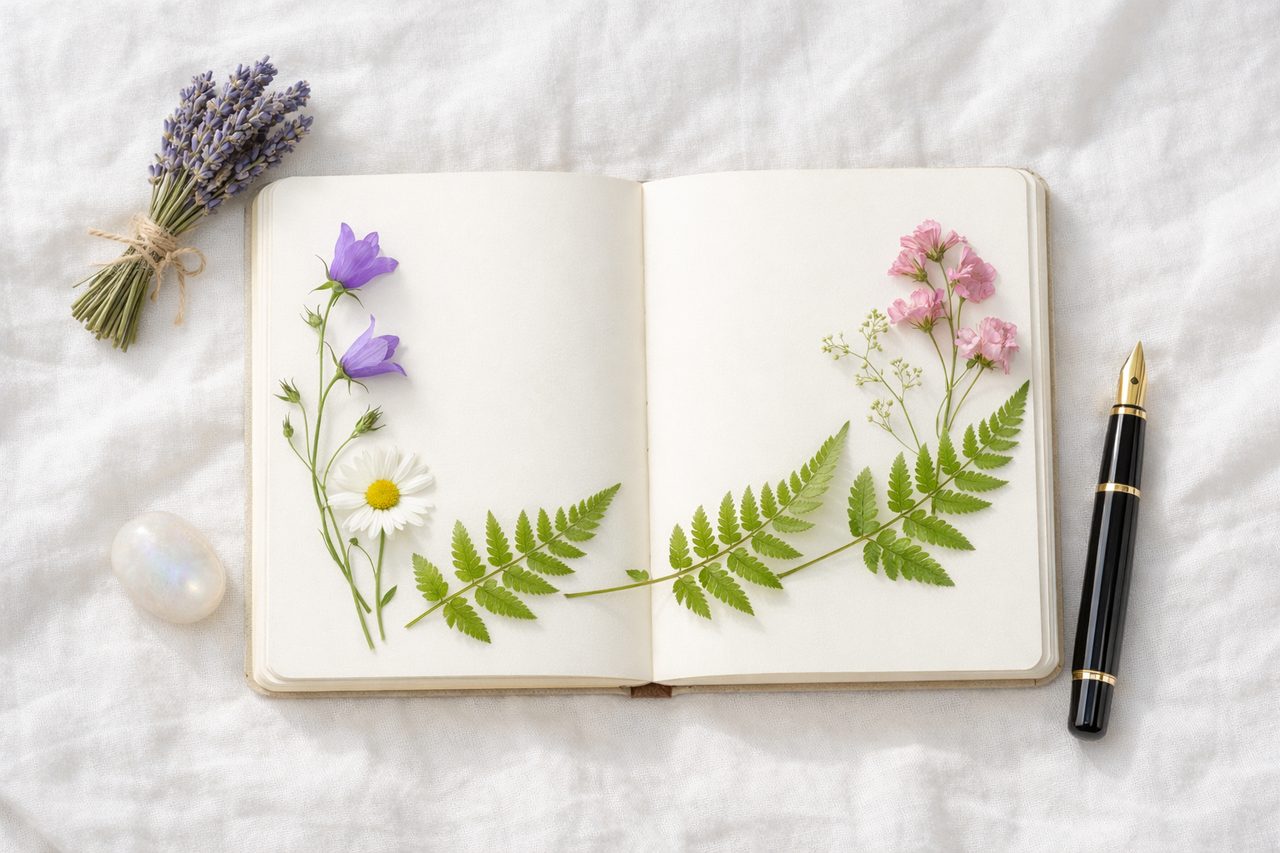
That's what your Book of Shadows, or grimoire, is for. It can be a plain notebook, a binder or a file on your phone. Write down what you learn, the spells you cast, the date and moon phase, and what happened afterward. Over months this becomes your most personal and useful magickal book.
6. Set Up a Simple Altar
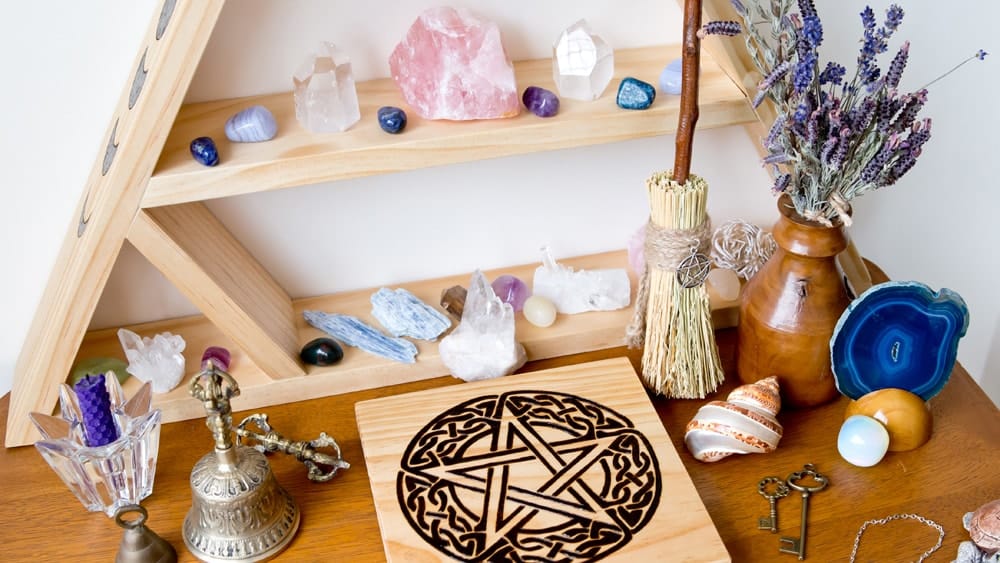
Many witches find that an altar helps them practice more often. It's a place to focus. It can be a whole table or a corner of a shelf: a candle, a bowl of water, a stone, a plant and something that represents the season are plenty to start. Our beginner's guide to altars has ideas for small spaces, and you can make many altar items yourself.
7. Gather or Make a Few Tools
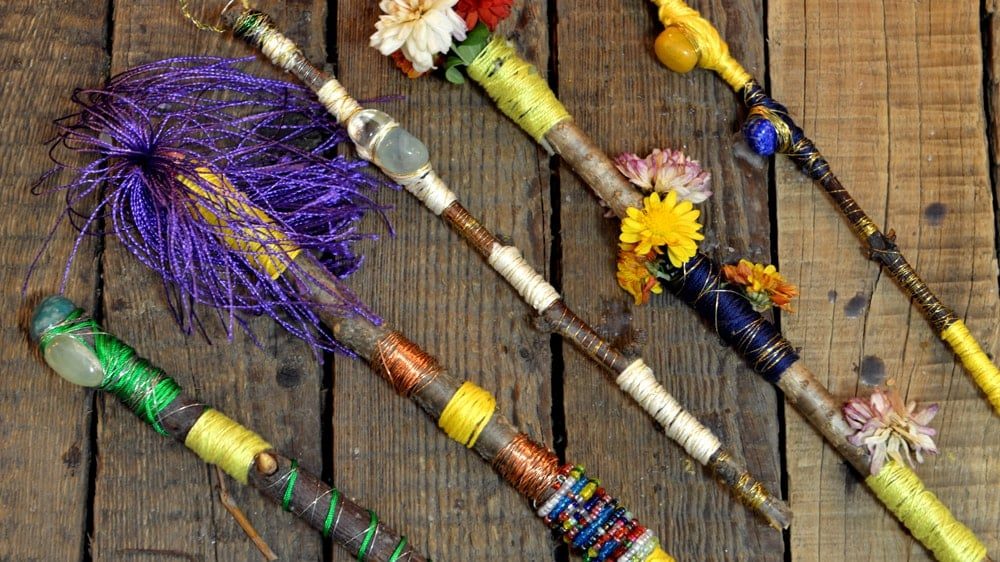
You don't need a cupboard full of supplies. Many beginners start with a candle, salt, a cup and a few herbs. If you'd like more, a wand and a besom (a small ritual broom) are two classic tools. A wand helps direct energy, and a besom is used to sweep away stale energy before a ritual. Read how to choose and use a wand. Both are easy to make from a fallen branch, twigs and string, and handmade tools often feel the most personal.
8. Work With Herbs
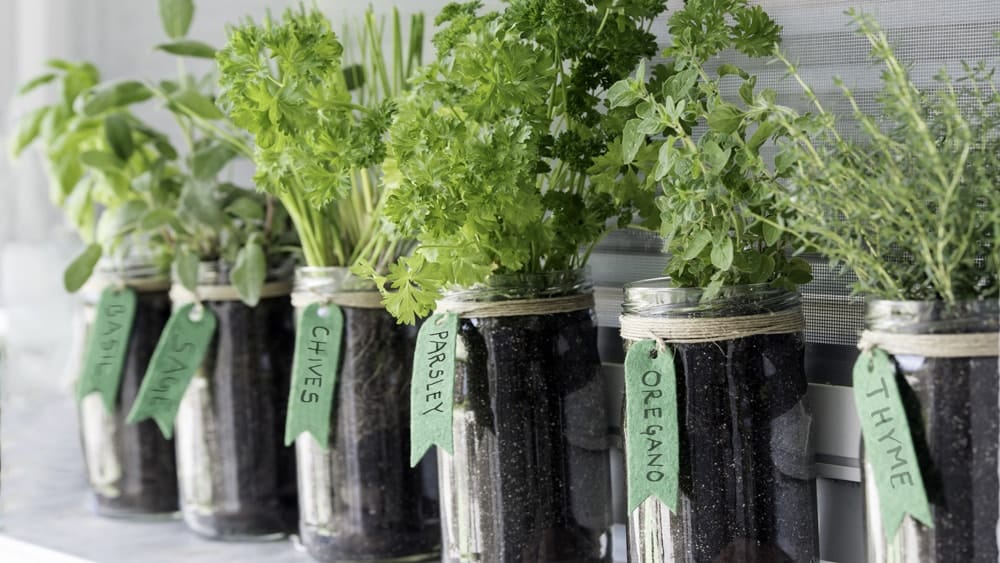
Herbs are part of almost every magickal tradition. Most witches keep dried herbs in the pantry, and plenty of the best ones are already in your kitchen: rosemary for protection, basil for luck, cinnamon for success. If you'd like to grow your own, a few pots on a sunny windowsill work just as well as a garden. See the best herbs for a witch's garden. Safety note: don't eat or drink any herb unless you know it's food-safe, check with a doctor if you're pregnant or take medication, and keep herbs and essential oils away from pets.
9. Cast Your First Spell
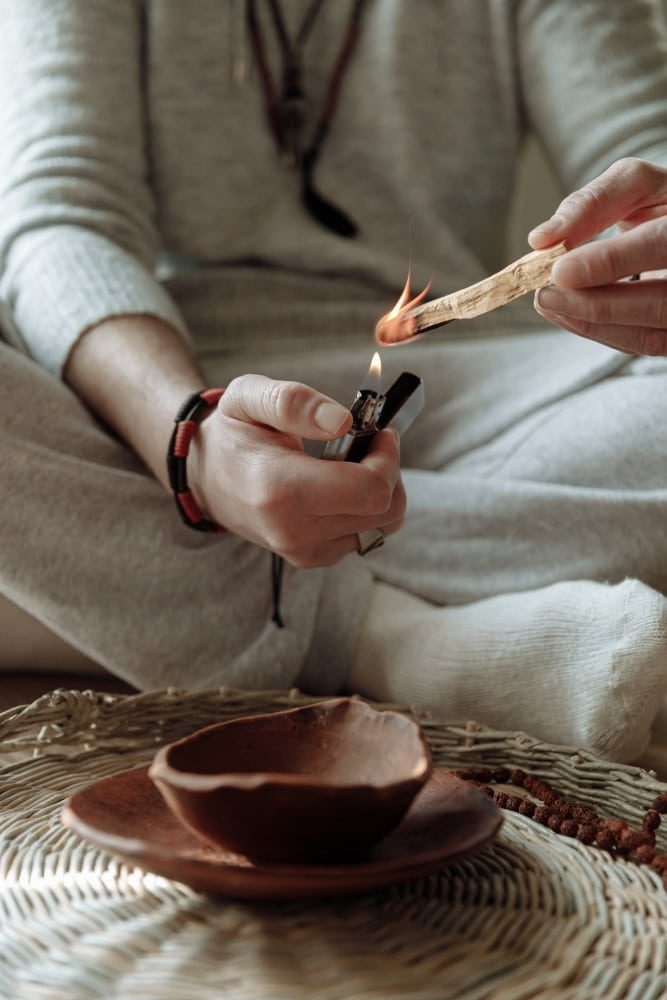
Spellcasting is where many beginners get nervous, but there's no need. Start small and simple. A good first spell is a candle intention spell.
You will need: a small white or colored candle, a safe holder, and a quiet few minutes.
- Choose one clear, kind goal, such as "I feel calm and confident at work."
- Hold the candle and picture the goal as if it's already true.
- Light the candle and say your goal out loud three times.
- Sit with the flame for a few minutes, then let it burn down safely or snuff it out and relight it on following days.
- Write the spell and the date in your Book of Shadows, and note any changes over the next weeks.
"With this flame I set my aim. As I will, so it shall be."
Never leave a candle burning unattended, and keep flames away from curtains, pets and children.

Once you feel ready, try jar spells, which only need a small container, a few ingredients and your words, or a cleansing spell to clear stale energy from your home. If you'd like to go deeper into spellwork, our magick and spells course builds from simple spells to more advanced work.
Keep Going: Divination and Spirit Work
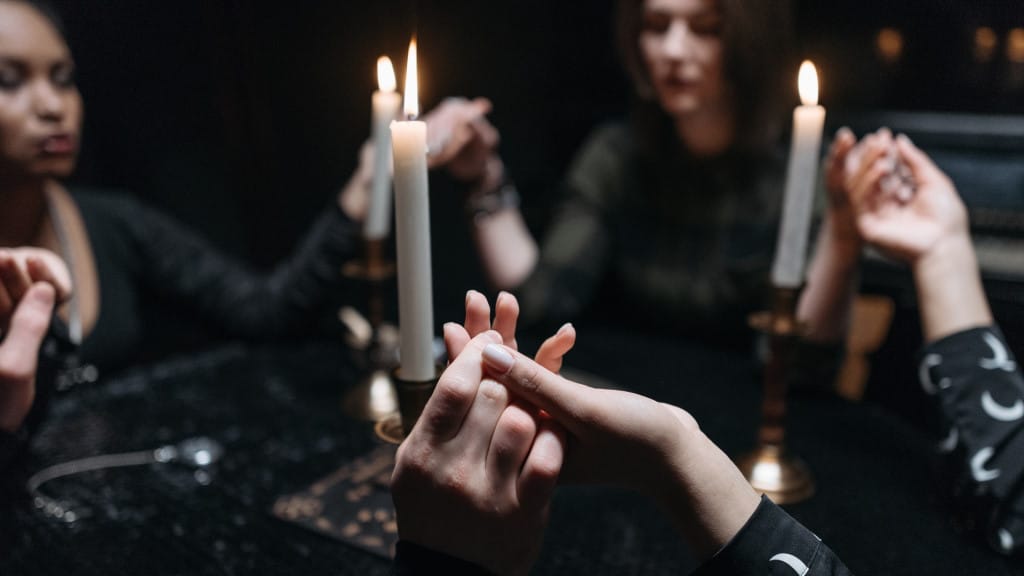
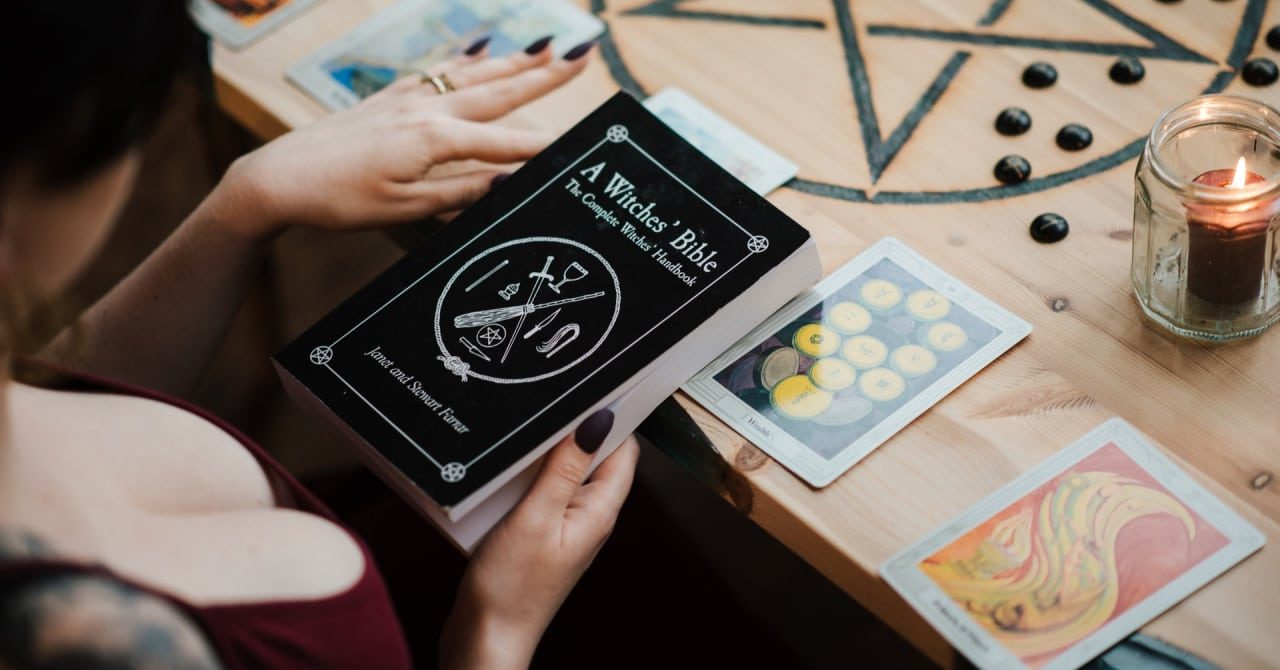
Many witches also practice divination: tarot, runes, pendulums or tea leaves. It's a good way to build intuition, and you can try a free tarot reading or read our guide to divination methods. Some witches honor their ancestors or work with a familiar. Take spirit work slowly, ground yourself afterward, and stop anything that doesn't feel right.
How to Become Wiccan
Becoming a witch and becoming Wiccan overlap, but they aren't the same. Wicca is a religion, so becoming Wiccan means taking on its beliefs, not only its practices. If you want to become Wiccan, you'll usually:
- Honor the Goddess and God, often seen as the Moon Goddess and the Horned God.
- Follow the Wiccan Rede: "An it harm none, do what ye will."
- Celebrate the eight sabbats and the full moon esbats.
- Study for a while (traditionally a year and a day) before making a commitment.
You can become Wiccan in two ways. Traditional covens initiate new members after a period of training. Solitary Wiccans usually hold a self-dedication ritual: a simple ceremony where you light candles for the Goddess and God, state your intention to follow the Wiccan path, and promise to keep learning. There's no certificate, and the gods don't need paperwork. If you're still deciding, read is Wicca right for me?
Finding Your Community
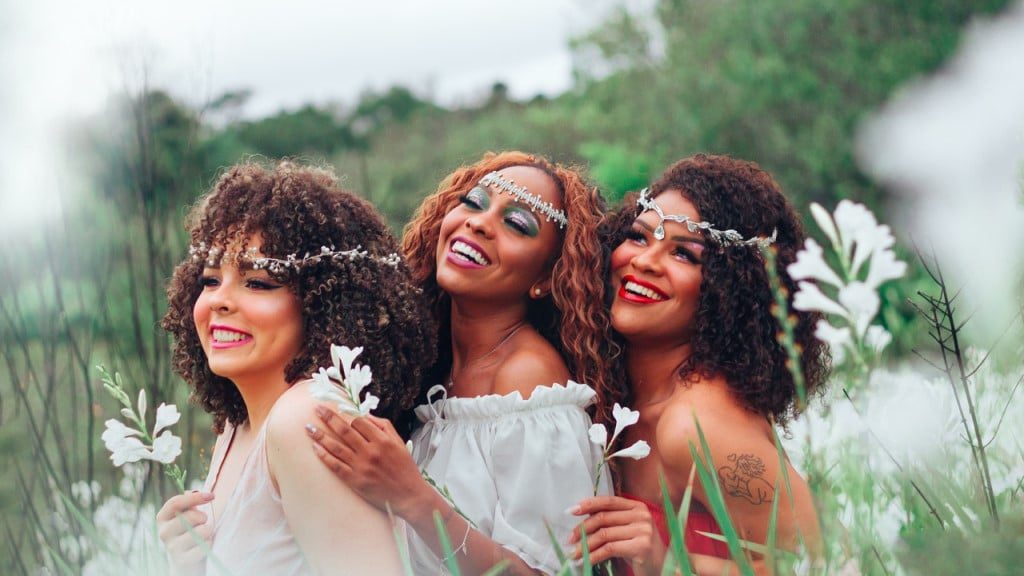
Stepping into your identity as a witch is exciting, but some people still hold old prejudices about witches. You never have to share your path with anyone until you're ready. Many witches stay private at first and open up slowly, often with a close friend or family member they trust.
Community makes the path easier. Look for local pagan meetups, open sabbat celebrations, bookshop events or online study groups, and take your time getting to know people. A good group welcomes questions, respects your boundaries and never pressures you for money or secrecy.
Final Thoughts
Becoming a witch isn't about a single dramatic moment. It's about the small, steady choices: lighting a candle with intention, noticing the moon, learning one herb at a time and trusting what you feel. Start where you are, with what you have, and let your practice grow at its own pace.
Which step are you starting with? We'd love to know.
Sources
- Cunningham, Scott. Wicca: A Guide for the Solitary Practitioner. 1988.
- Vanderbeck, Paige. Green Witchcraft. 2020.
Check out our other articles:
What Is Wicca?
Types of Witches
A Beginner's Guide to Wiccan Altars
Jar Spells Made Simple
See All Articles
Love this article? Share the magick with your friends and loved ones!
Becoming a Witch FAQs
Can anyone become a witch?
Yes. Witchcraft is a practice anyone can learn, whatever their age, gender or background. You don't need special blood, a family tradition or someone's permission, only curiosity, respect and a willingness to practice.
How long does it take to become a witch?
There's no fixed timeline. Some people feel like a witch after their first ritual, while others study for months first. Many Wiccans study for a year and a day before dedicating themselves, but you can call yourself a witch whenever it feels true.
Do you have to be born a witch?
No. Some people feel they were born with a natural gift or come from a family of witches, but most witches learned the craft. Intuition and skill grow with practice, just like any other ability.
Do I need expensive tools to become a witch?
No. A candle, some salt, water and a few kitchen herbs are enough to start. Tools like wands, athames and crystals are nice to have, and many witches make their own, but your intention matters more than anything you buy.
Can I be a witch and keep my religion?
Many people do. Witchcraft is a practice, not a religion, so some witches are Wiccan or pagan while others combine witchcraft with their own faith or no religion at all. Follow what feels right to you.
What should a beginner witch do first?
Start by reading and keeping a journal. Then set up a small altar, notice the moon phases and try one simple candle spell. Write down what you do and how it goes, and build from there one step at a time.
How do I know if I'm a witch?
If you feel drawn to nature, the moon, herbs, ritual or the idea of shaping your life with intention, you may already think like a witch. In the end, you're a witch when you choose to practice the craft.