Beltane is the Wiccan fire festival of spring, celebrated from sunset on April 30 to sunset on May 1 in the Northern Hemisphere. It sits halfway between the spring equinox and the summer solstice, when the land is green, the flowers are open and everything feels alive.
The name comes from the old Gaelic May Day festival, and it's often said to mean "bright fire." That fits, because fire is at the heart of Beltane. People in Ireland and Scotland traditionally lit great bonfires on May Eve and drove their cattle between two fires for protection before the animals went out to summer pastures.
For Wiccans, Beltane celebrates life, love and fertility on the Wheel of the Year. Below you'll find what Beltane means, its correspondences, an altar guide, a bonfire ritual, foods, the maypole, handfasting and a simple planting rite you can do on your own.
How to Celebrate Beltane in 6 Steps
- Gather flowers and greenery. Pick (or buy) spring flowers and bring them inside, or weave a simple flower crown.
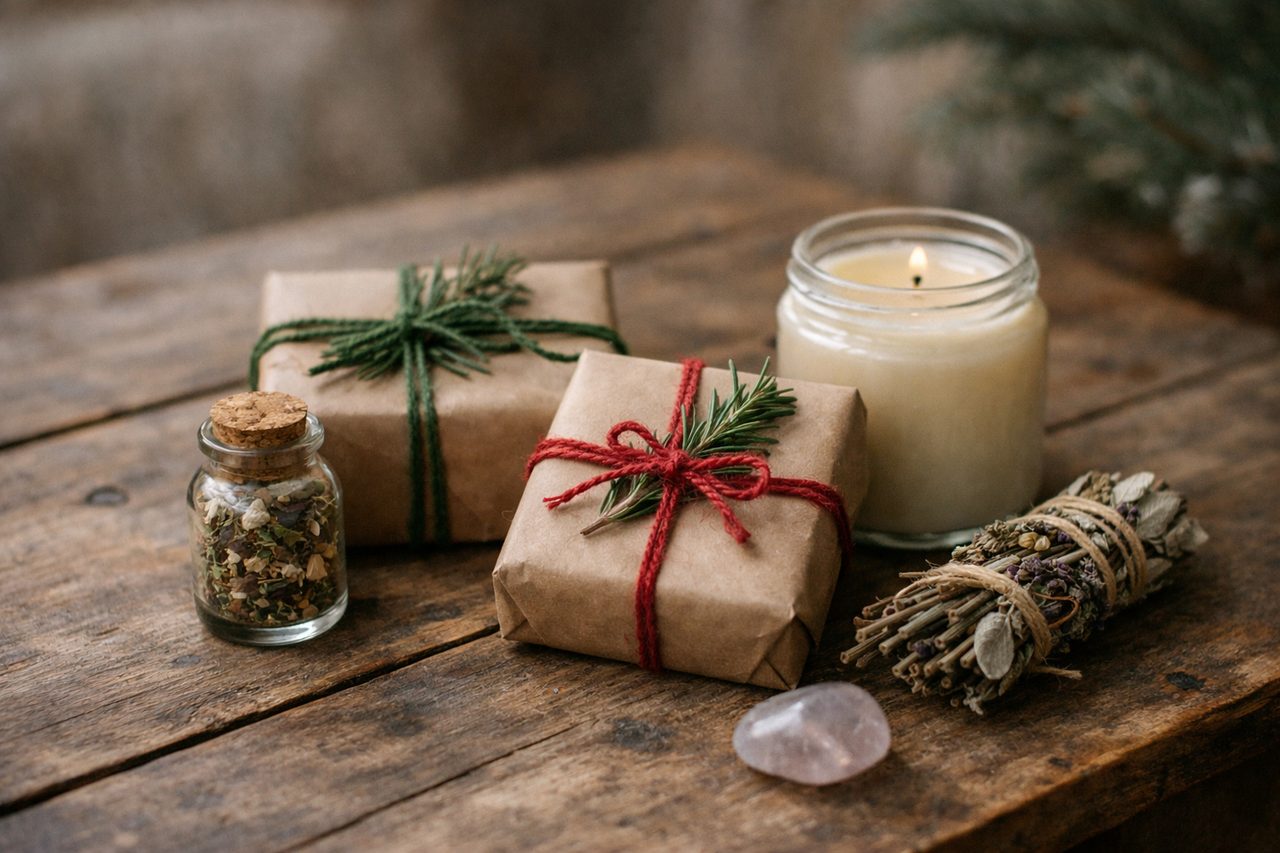
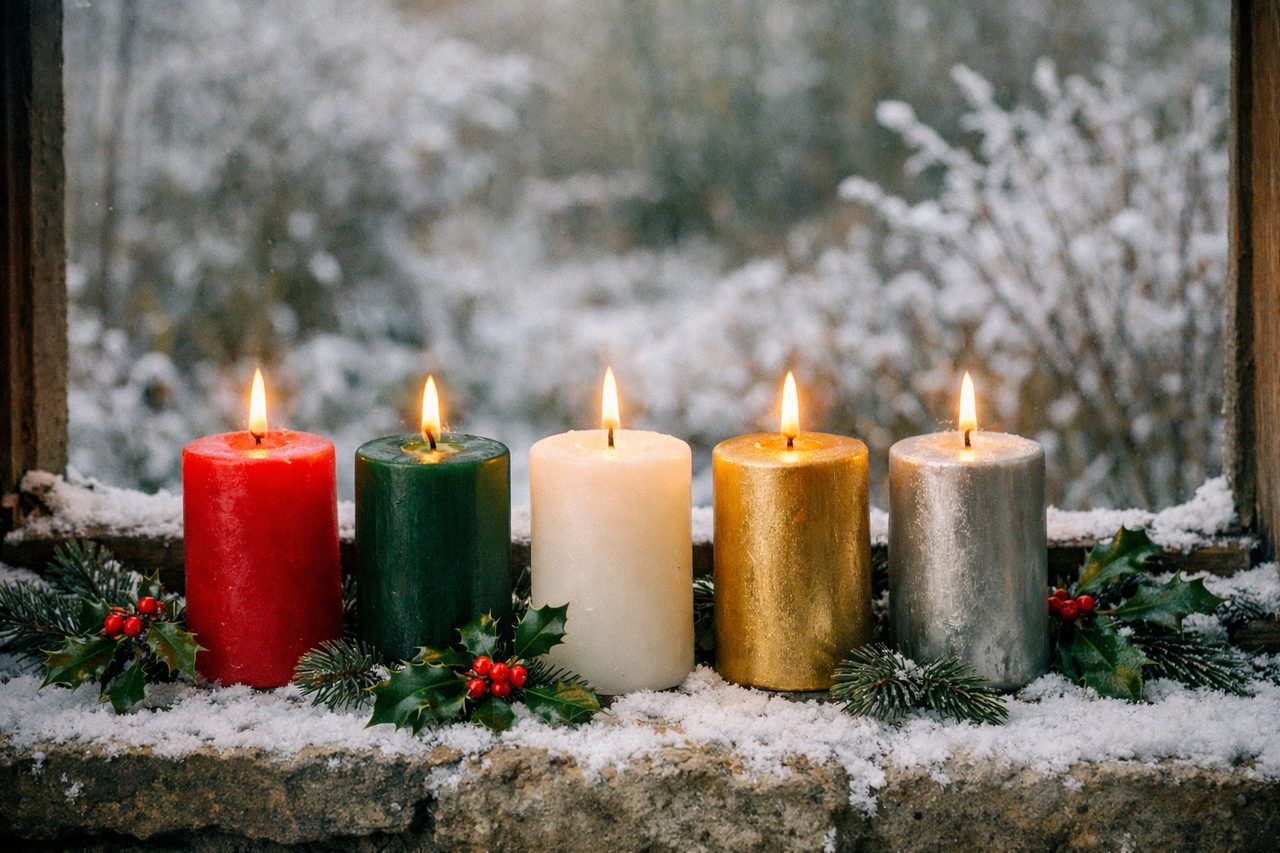
- Set up a Beltane altar. Add green, red and white candles, flowers, a ribbon and symbols of the Goddess and God.
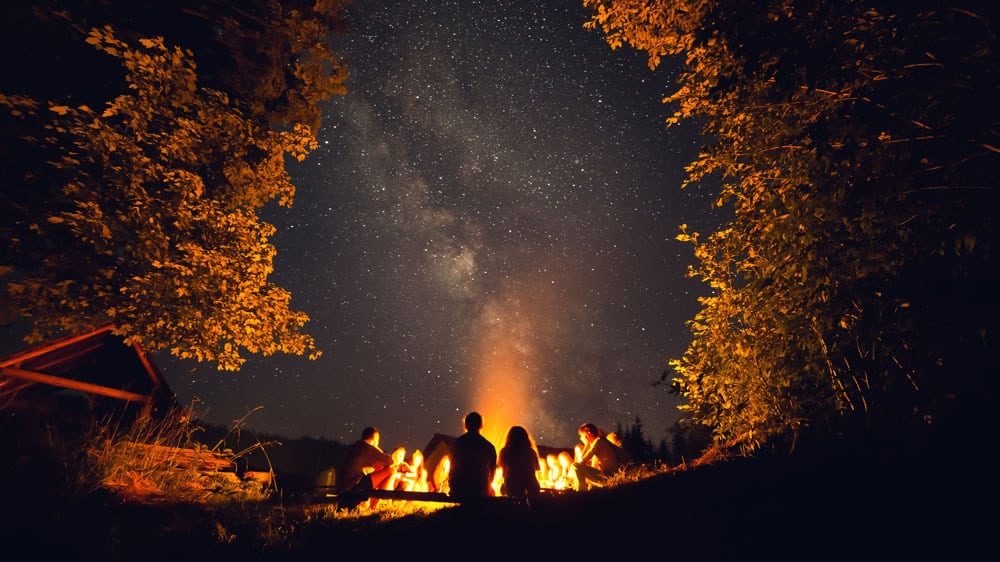
- Light a fire. A bonfire with friends, a fire pit or a single candle on your altar all honor the bright fire of Beltane.
- Honor the Goddess and God. Say a short prayer or leave an offering of flowers, milk, honey or bread.
- Plant something. Sow seeds or pot a seedling and set an intention to grow along with it.
- Share a feast. Cook seasonal food, bake oatcakes or bread, and give thanks for the season's abundance.
You don't need to do all six. One candle, a jar of flowers and a quiet moment outside is a lovely Beltane too.
When Is Beltane?
In the Northern Hemisphere, Beltane is celebrated on May 1, usually starting at sunset on April 30 (May Eve). Some witches prefer to mark it at the astronomical midpoint between the spring equinox and the summer solstice, which falls a few days later, around May 5.
In the Southern Hemisphere the seasons are reversed, so many witches there celebrate Beltane around October 31 to November 1, when their own spring is in full bloom. Follow the season where you live.
Beltane sits directly across the Wheel from Samhain. Samhain honors death and the ancestors as the year grows dark; Beltane honors life and growth as the year grows bright. It comes after Ostara and before Litha, the summer solstice.
What Does Beltane Mean? A Little History
Beltane (Bealtaine in modern Irish) is one of the four Gaelic seasonal festivals, along with Samhain, Imbolc and Lughnasadh. It marked the beginning of summer in Ireland, Scotland and the Isle of Man. Old customs included bonfires on hilltops, blessing cattle, decorating homes and wells with yellow May flowers, and washing the face in the morning dew on May Day for beauty and luck.
Across Europe, May Day had its own traditions: maypoles, May queens, garlands and gathering hawthorn blossom (often called "may"). The ancient Romans held the Floralia in honor of the flower goddess Flora at the end of April and the start of May. Modern Wiccans and Pagans draw on many of these customs, which is why Beltane today mixes Celtic fire with English and European May Day fun.
Beltane in Wicca: The May Queen and the Green Man
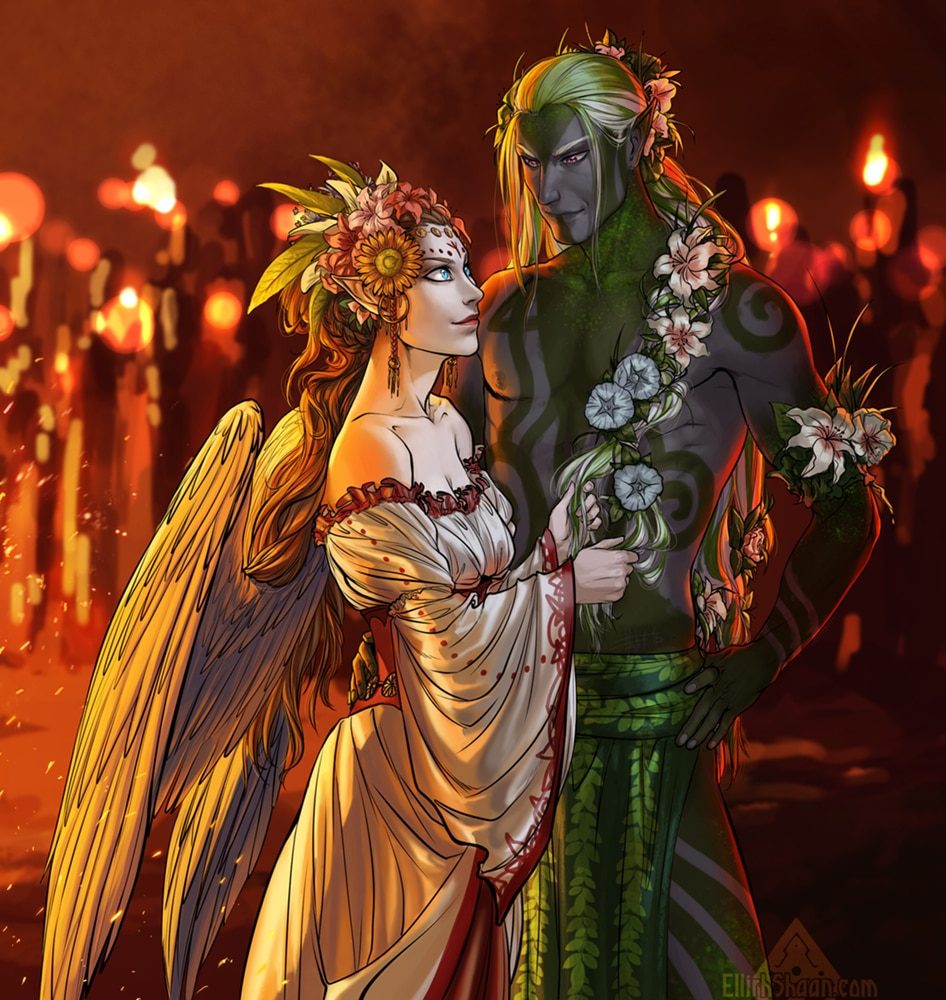
In the Wiccan story of the year, the Goddess and the God come together at Beltane. The young Goddess, often called the May Queen or the Maiden, has grown into her full power, and the green land is a sign of her. The God, seen as the Green Man, the Horned God or the May King, falls in love with her. Their sacred marriage (the Greek term is hieros gamos, "holy marriage") brings new life to the earth.
That's why Beltane is a festival of fertility in the widest sense. It isn't only about babies or romance. It's about creativity, new projects, gardens, friendships and the joy of being alive. If you'd like to know these two figures better, read our guide to the Moon Goddess and the Horned God.
Beltane Correspondences
Use this table to choose colors, crystals and plants for your altar, spells and decorations. You can look up more correspondences in our free Witch's Cabinet.
| Category | Beltane correspondences |
|---|---|
| Colors | Green, red, white, yellow, pink |
| Crystals | Rose quartz, malachite, emerald, garnet, carnelian, tiger's eye, fire agate |
| Flowers and plants | Hawthorn, primrose, daisy, lilac, tulip, hyacinth, forsythia, birch, rowan |
| Symbols | Bonfire, maypole, flower crown, ribbons, May basket, antlers, acorns |
| Foods | Oatcakes, bread, honey, dairy, fresh greens, strawberries, mead |
| Deities often honored | The May Queen and Green Man, Flora, Cernunnos, Pan |
| Themes | Love, fertility, passion, creativity, growth, joy |
How to Set Up a Beltane Altar
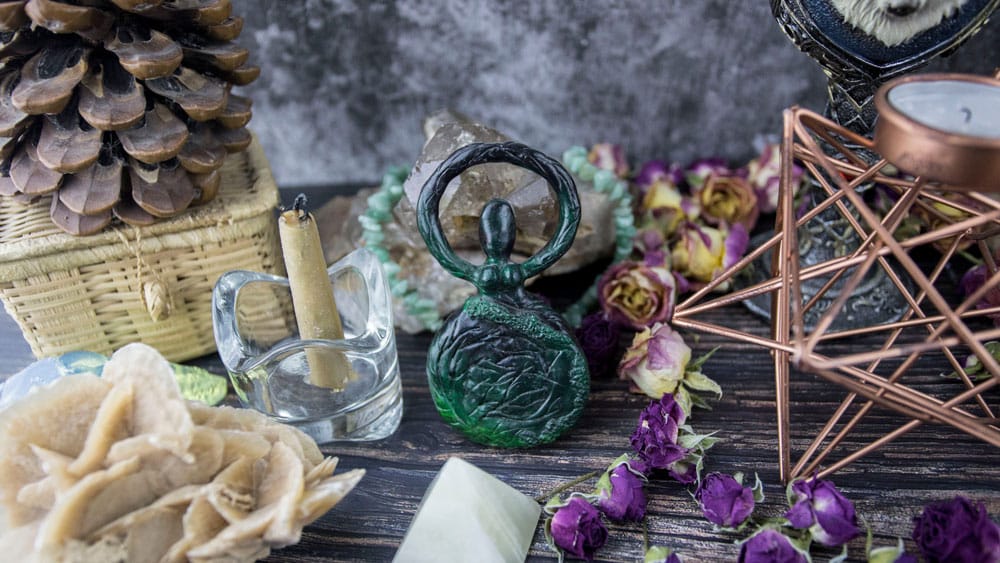
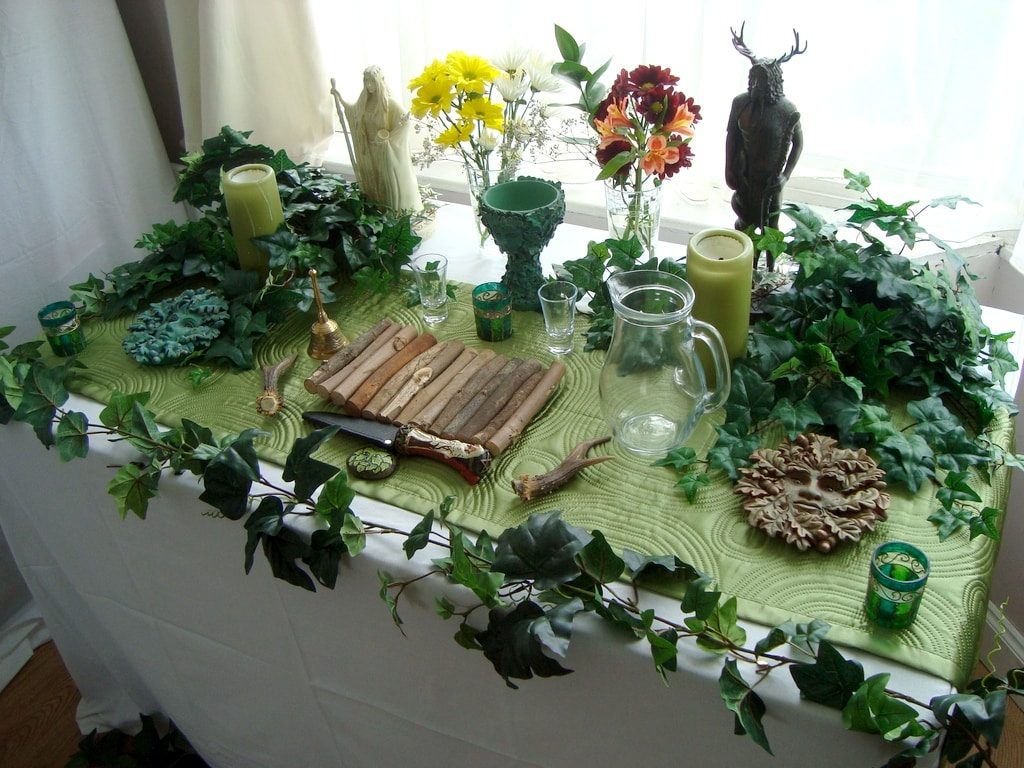
There's no such thing as a "right" altar. Use objects that speak to you and to the season. If you're new to altars, our beginner's guide to Wiccan altars covers the basics. Here are some ideas for Beltane:
- Candles: green for growth, red for passion and white for the Maiden. Our guide to candle color meanings has more ideas. If you can't burn candles, use a small cauldron on a heat-proof tile with an LED candle inside.
- Flowers: a jar of whatever is blooming near you, or a flower crown laid around a candle.
- Symbols of the God: acorns, antlers, seeds or a small green man figure.
- Symbols of the Goddess: a ring, a flower wreath, a chalice or a statue.
- Crystals: rose quartz for love, malachite for growth, carnelian for fiery energy.
Beltane is also a time when the fae are said to be close, so some witches add a little faery corner with moss, shells or a tiny dish of honey. If that interests you, read our article on whether faeries are friendly or frightening.
Beltane Prayers and Deities
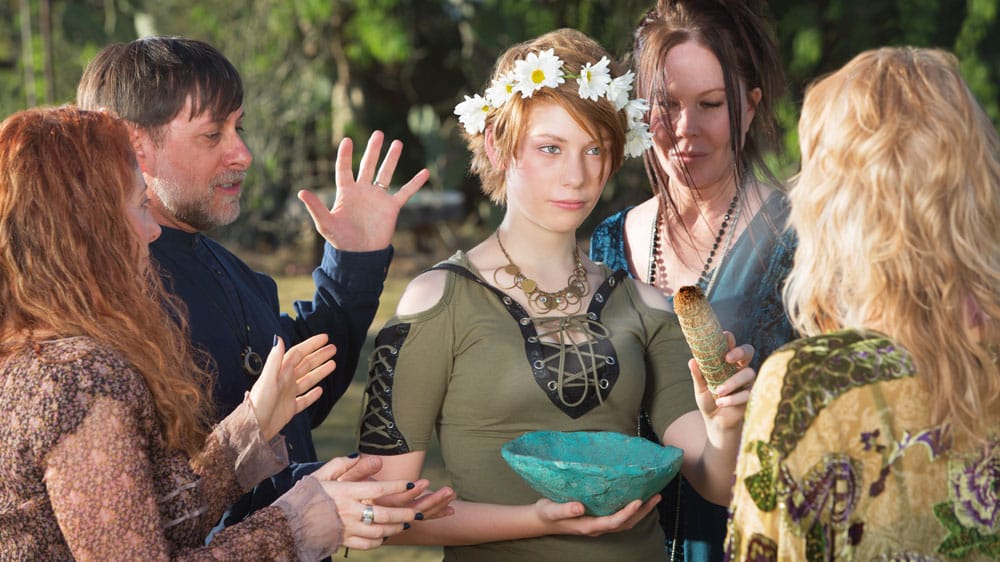
One of the best things about Wicca is that you can shape your rituals and prayers to what calls to you. There's no fixed set of words to follow. Many Wiccans simply honor the Goddess and God as the May Queen and the Green Man. Others call on deities linked to spring, love and fertility, such as Flora (Roman goddess of flowers), Cernunnos (the Celtic horned god), Pan (Greek god of the wild) or Aphrodite (Greek goddess of love).
Here is a prayer to the May Queen you can read aloud as you place flowers on your altar:
The leaves are budding across the land
on the ash and oak and hawthorn trees.
Magick rises around us in the forest
and the hedges are filled with laughter and love.
Dear lady, we offer you a gift,
a gathering of flowers picked by our hands,
woven into the circle of endless life.
The bright colors of nature herself
blend together to honor you,
Queen of spring,
as we give you honor this day.
Spring is here and the land is fertile,
ready to offer up gifts in your name.
We pay you tribute, our lady,
daughter of the Fae,
and ask your blessing this Beltane.
Beltane Bonfire Ritual
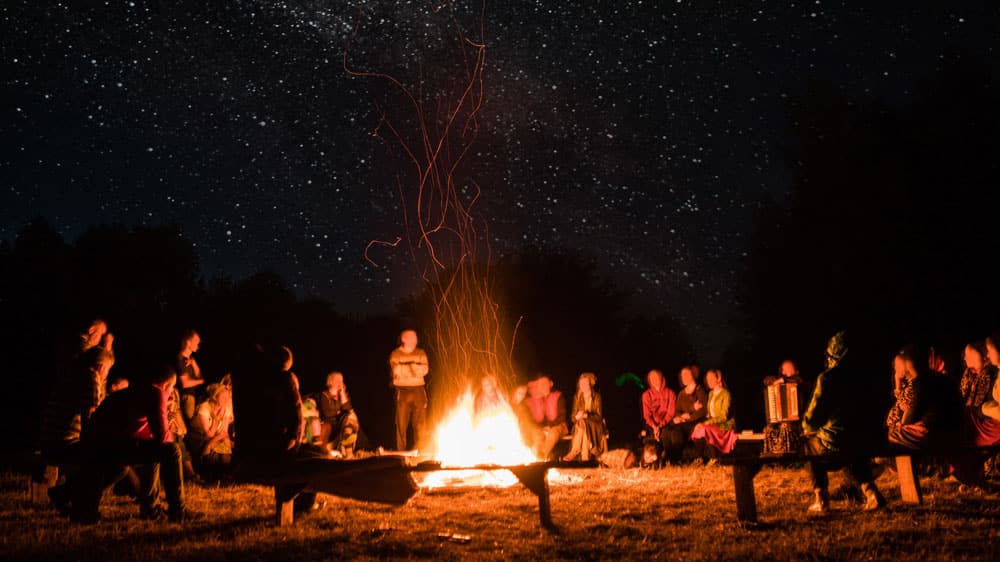
In many traditions fire stands for cleansing, renewal and new life, and that's true at Beltane. The bonfire is also a picture of the passion between the May Queen and May King. Jumping over a small fire (or between two candles) for luck and protection is a well-loved custom.
This group ritual is a modern Pagan celebration of the sacred marriage. Everyone takes part willingly, and it can be as playful or as solemn as your group likes. Two people volunteer as the May Queen and May King. They don't have to be a man and a woman: two May Queens or two May Kings works just as well. A third person acts as High Priestess or High Priest and guides the ritual, while everyone else claps, drums or shakes rattles. Some groups tie colored ribbons around the firewood beforehand.
The Beginning
At sunset on April 30, the May Queen and King stand on opposite sides of the unlit bonfire. The High Priestess or Priest introduces them to the group, says a blessing, and lights the fire.
The Courtship
The May Queen and King run clockwise around the fire, playful and flirty, while the drummers start slowly and speed up. This is a joyful, consenting courtship, and that consent should be clear to everyone. After three rounds, the music stops suddenly as the two meet.
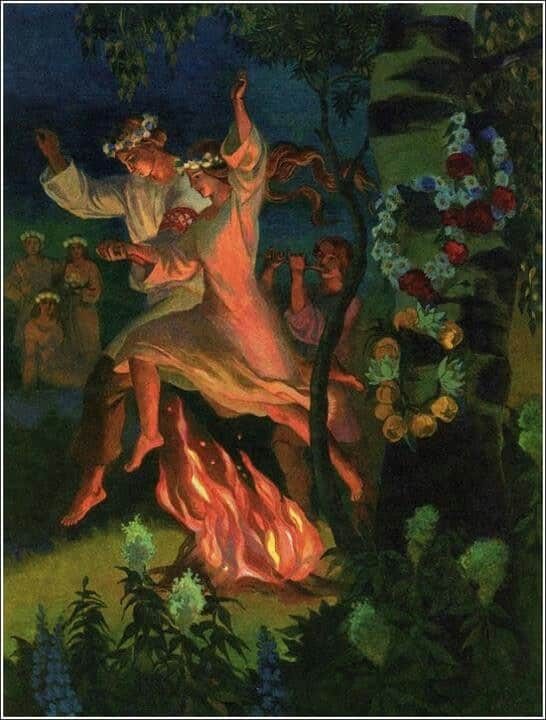
The High Priestess or Priest asks them to declare their love and honor for each other, and they share a kiss. The kiss is symbolic, so keep it as simple as the participants are comfortable with.
Closing the Ceremony
The High Priestess or Priest declares the earth blessed and fertile, and everyone joins in dancing and singing around the fire. Some groups keep the fire going late into the night.
Fire safety: check local rules and fire bans before you light an outdoor fire, keep it small and away from trees and buildings, keep water or a fire extinguisher nearby, tie back hair and loose sleeves, and only jump over embers if you're steady on your feet. Never leave a fire or candle unattended.
Beltane Foods
What's a celebration without a feast? Use these ideas for a group meal or a quiet dinner for one. Before you eat, take a moment to thank the earth for its gifts. For more ideas on cooking with intention, see our guide to kitchen magick for beginners.
Dairy, Honey and Meat
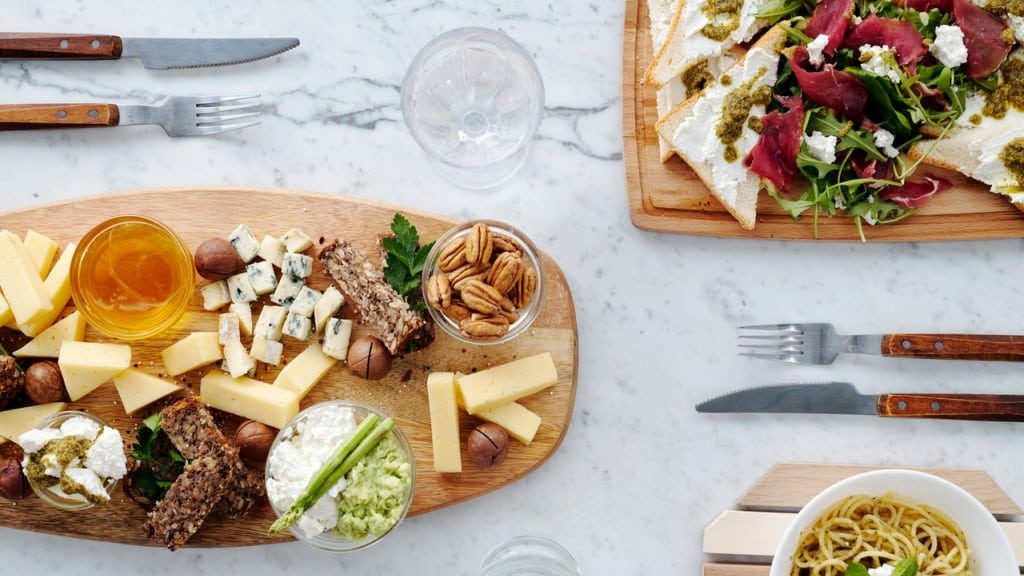
Beltane was traditionally a dairy festival, since cattle were heading out to fresh pasture. Cheese, butter, cream and honey all fit, along with meat or fish if you eat them. Vegan witches can skip this one: there's plenty of seasonal produce below.
Spring Produce
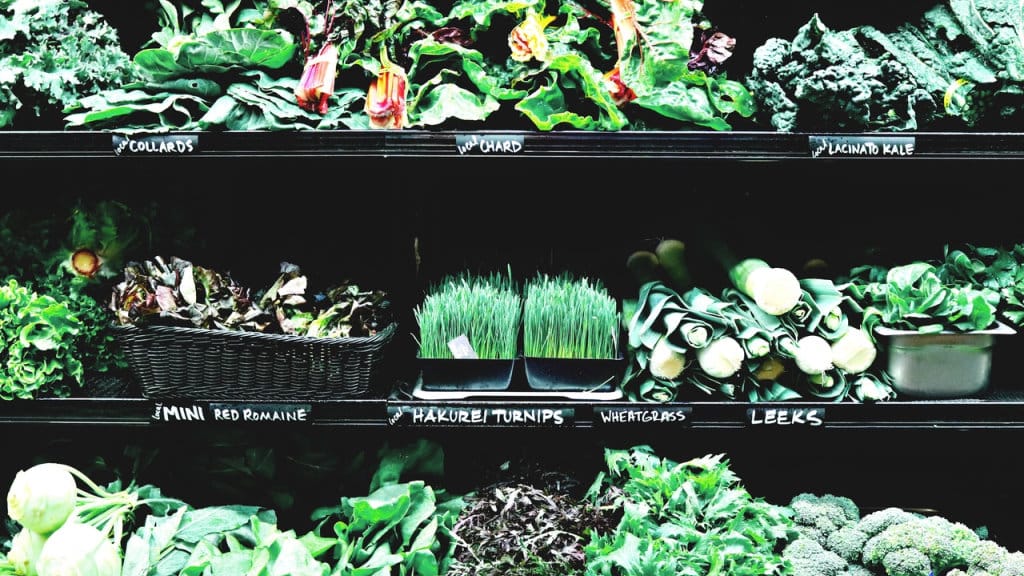
Cool-season crops start to thrive in spring. Greens, herbs, asparagus, radishes, peas, mushrooms and early strawberries are all good choices. A farmers' market will show you what's fresh where you live. Jams and pickles from last year's harvest are a nice touch too.
Food Over Flame
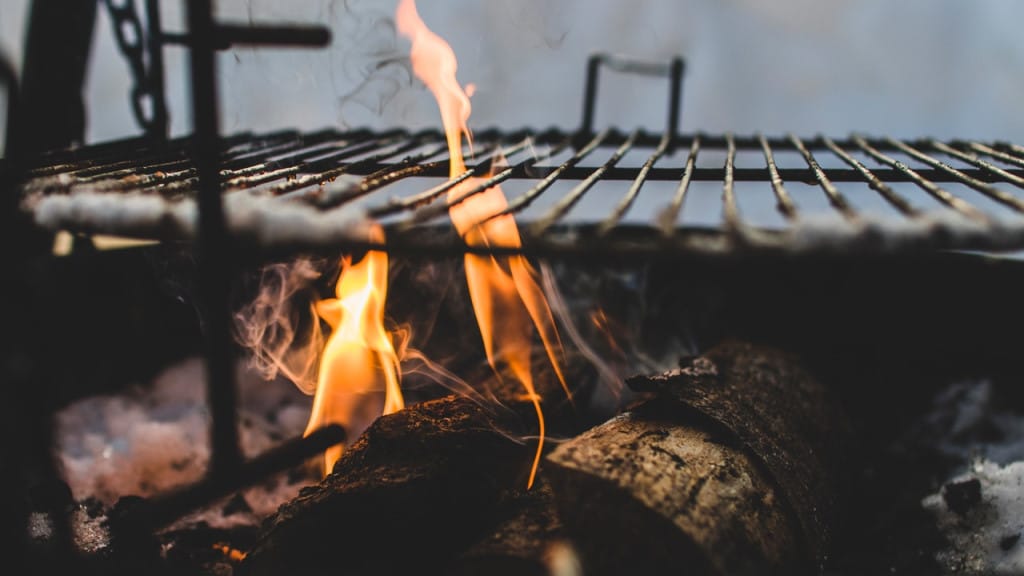
Since fire matters so much at Beltane, cooking over a flame makes the meal feel festive. A fire pit, gas grill, charcoal or smoker all count. Try grilled vegetables, charred meats, smoked cheese or toasted marshmallows.
Oatcakes
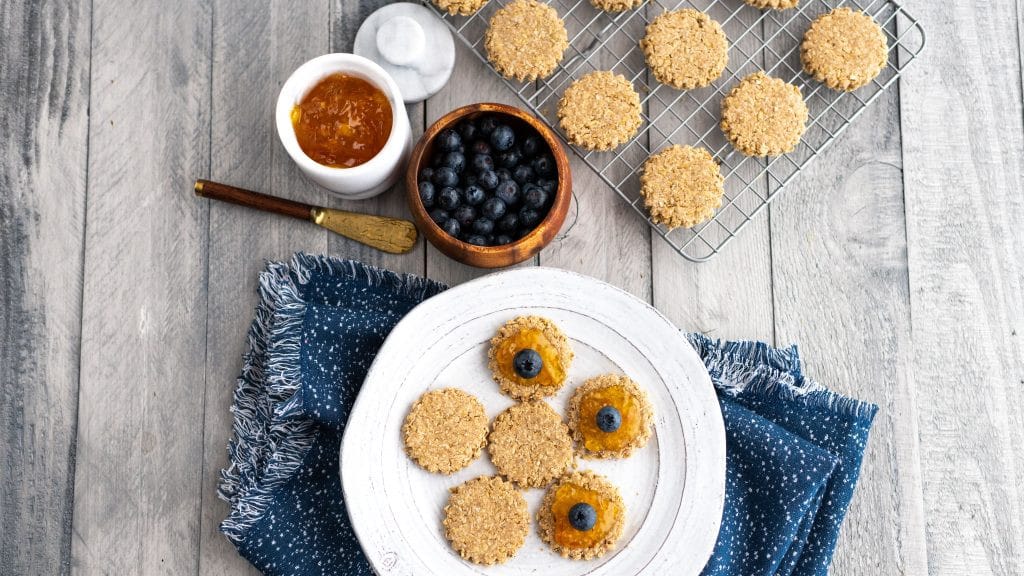
Oatcakes have a long history in Scotland and are a simple Beltane staple. They're quick to make, crisp and delicious with cheese, jam, herbs or smoked fish. All you need is oats, a little fat, salt and hot water.
Beltane Bread
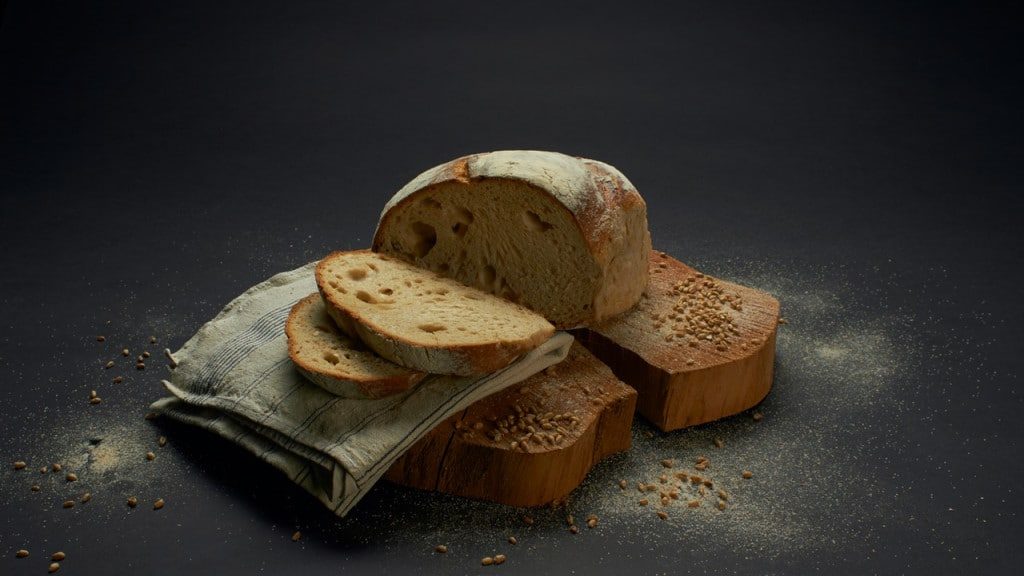
Baking bread is another Beltane tradition. Bannock, a flat Scottish bread cooked on a griddle, is a classic choice. You can keep it plain or add fruit, nuts and spices. Knead your wishes for the season into the dough.
Desserts
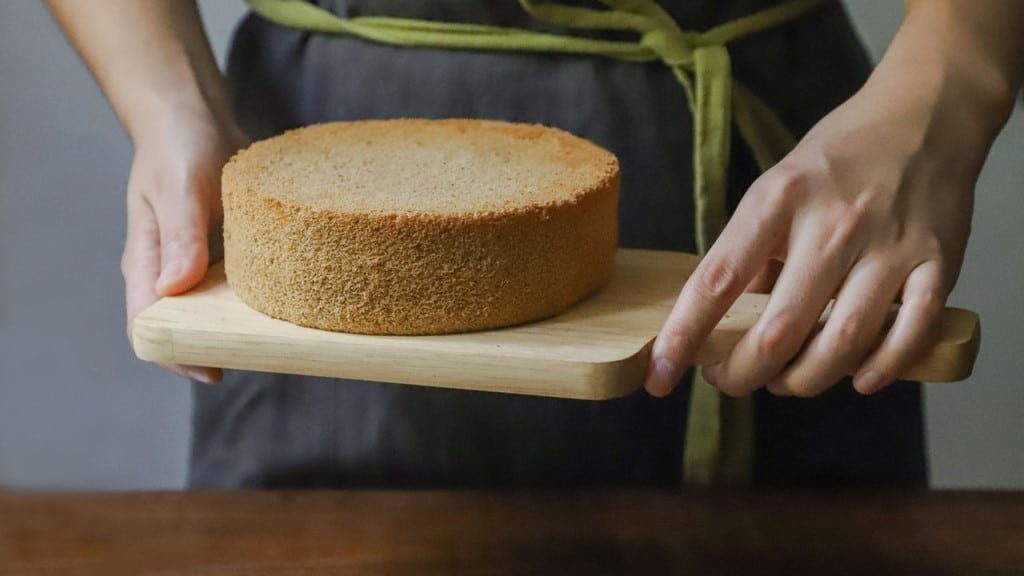
There's no shortage of spring sweets. Cakes are the usual choice, but anything with honey, citrus, berries, nuts or flowers like lavender or rose fits the season.
Drinks
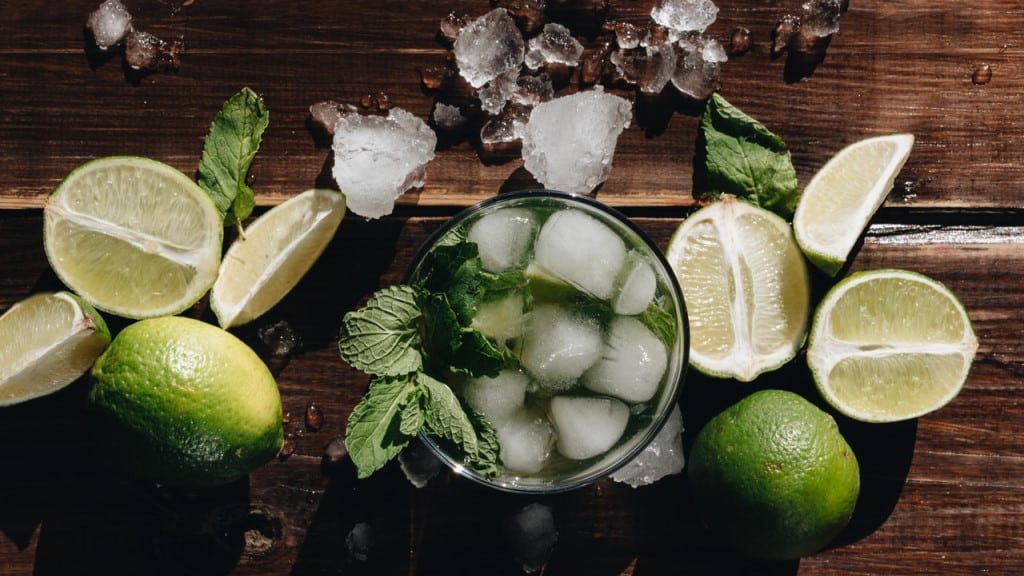
Mead, wine or a fresh herbal cocktail like a mojito make a nice toast. For an alcohol-free option, try water infused with mint, lemon and strawberries.
The Maypole Dance
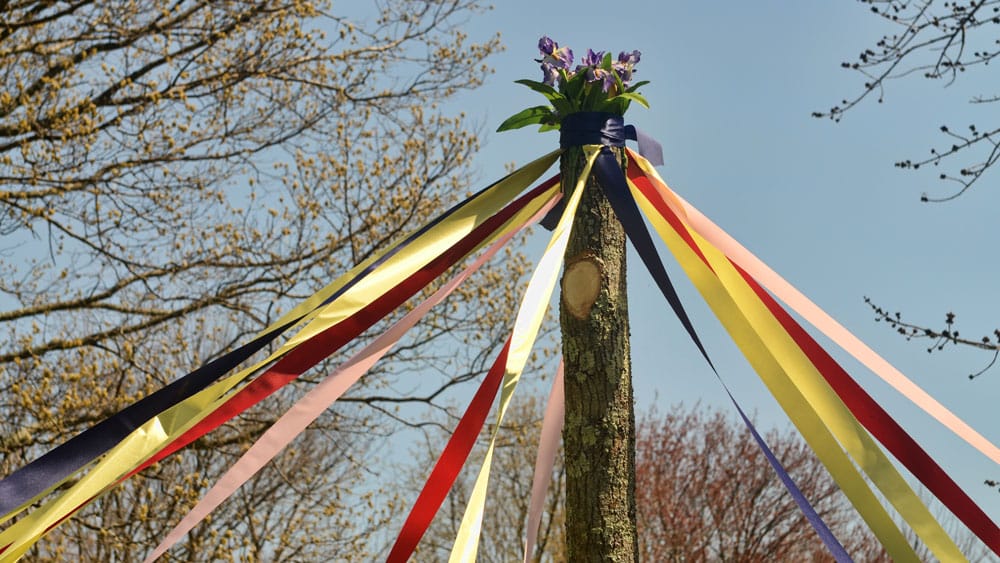
The maypole is one of the best-known May Day traditions, especially in England, Germany and Scandinavia. Records of maypoles in Britain go back to the Middle Ages, and the custom is still alive in many villages today. Many modern Pagans see the pole as a symbol of the God and the ribbons woven around it as the Goddess, though for lots of people it's simply a joyful spring dance for the whole family.
A maypole takes some planning. You'll need a tall pole, a deep enough hole to hold it securely, and ribbons about one and a half times the height of the pole. The more colorful, the better. Keep a few spare ribbons on hand in case someone forgets theirs.
How the Dance Works
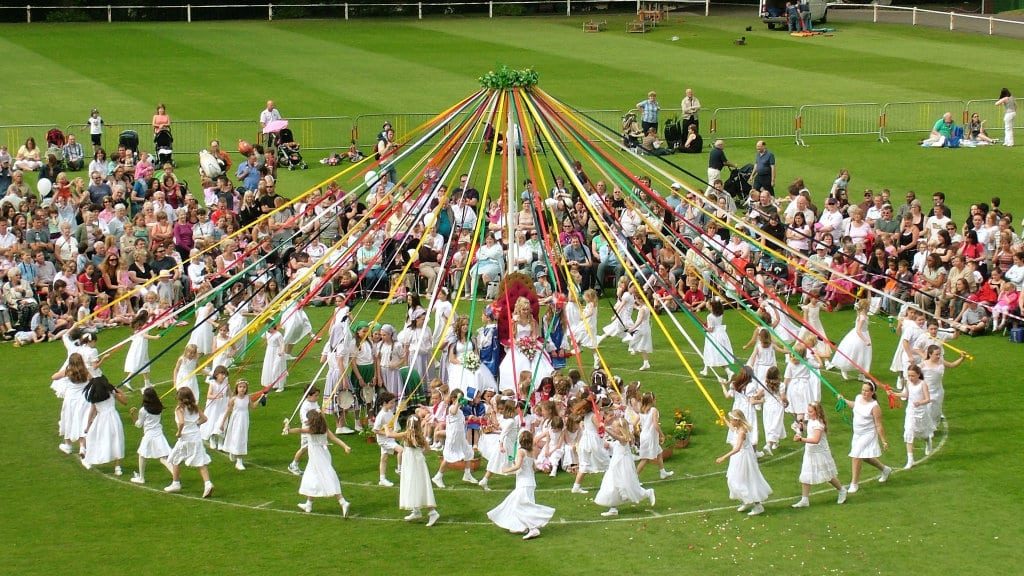
Attach the ribbons to the top of the pole before you raise it, then set it in the hole and pack the soil firmly so it can't topple. Dancers stand in a circle, each holding a ribbon, and alternate facing clockwise and counterclockwise. As they move, they weave over and under each other, and the ribbons braid down the pole.
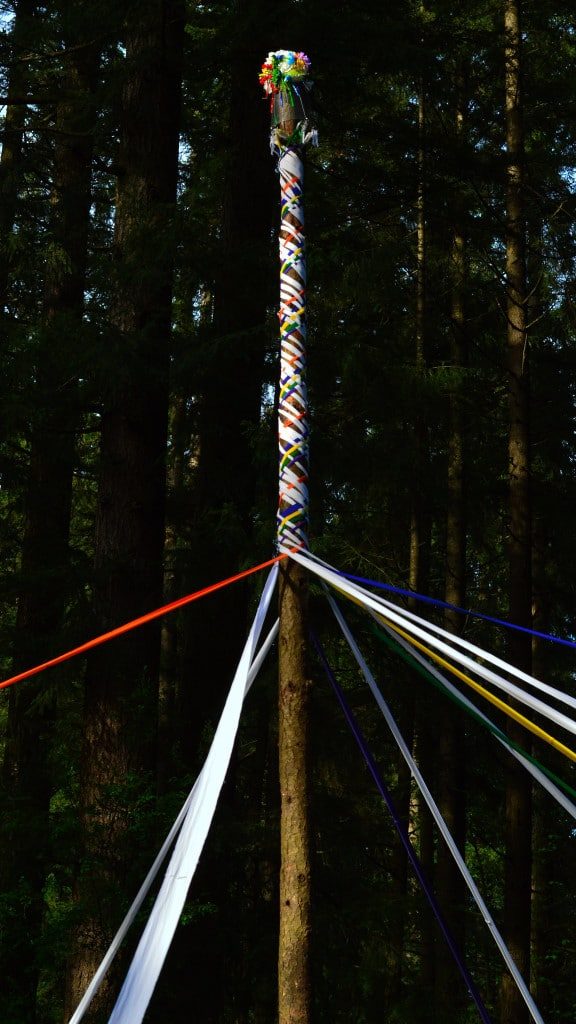
There are many patterns, and the trickier ones look like a woven May basket. Just remember that a complicated weave is harder to unwind afterward. Live music is traditional, but folk music or English Morris dance tunes on a speaker work fine.
Handfasting at Beltane
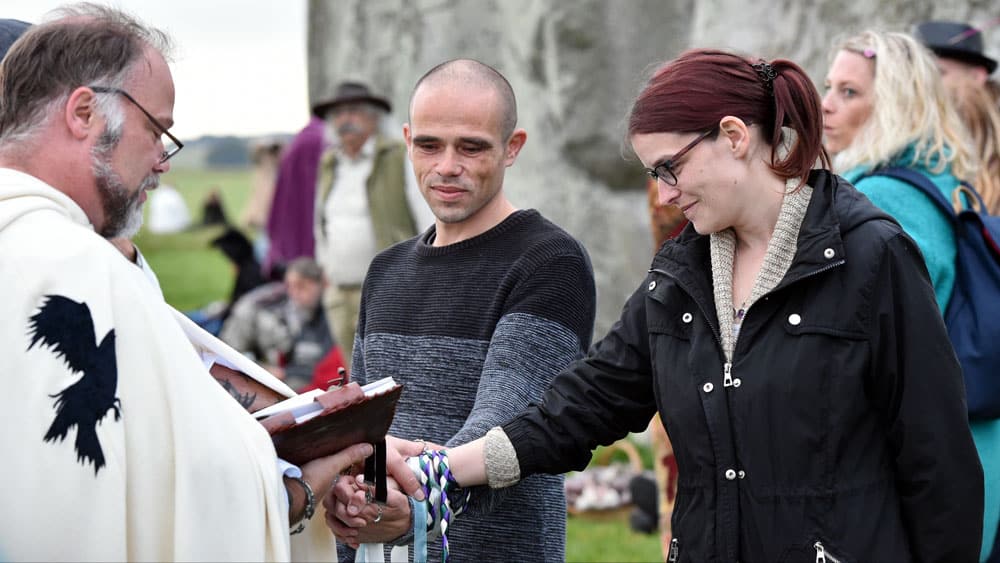
Because Beltane celebrates the sacred marriage of the Goddess and God, many Wiccans choose it for their own handfasting, the Pagan wedding ceremony where the couple's hands are tied together with cord or ribbon. Some traditions prefer not to hold handfastings at Beltane so the day stays focused on the May Queen and King. There's no single right answer: choose what feels sacred to you.
Is a Handfasting a Legal Marriage?
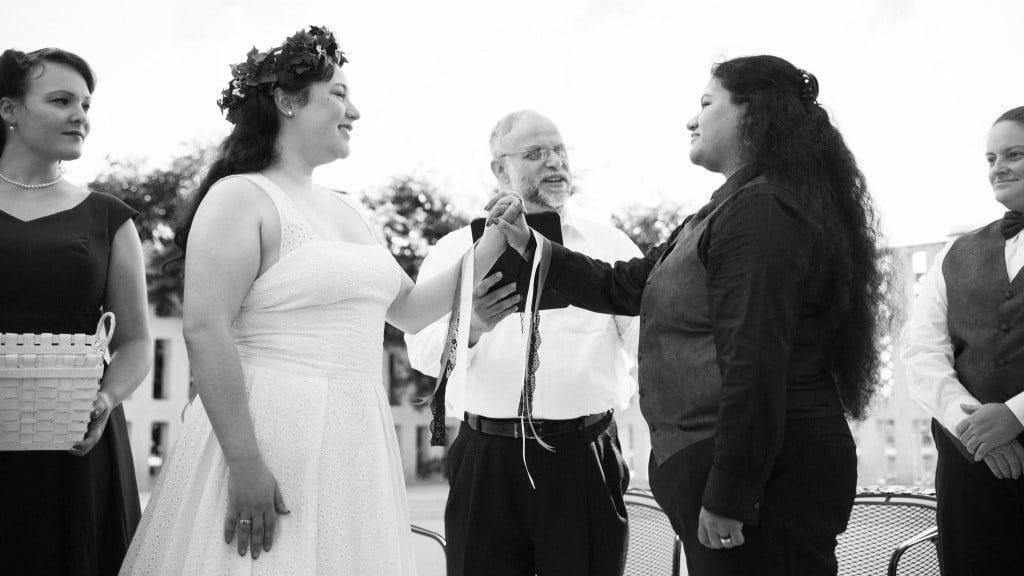
On its own, a handfasting is a spiritual commitment, not a legal one. Some couples handfast for a year and a day and then decide whether to continue. If you want your handfasting to be legally binding as well, the rules depend on where you live. In many places the officiant must be legally able to perform marriages and you'll need a marriage license, so check with your local registry office first.
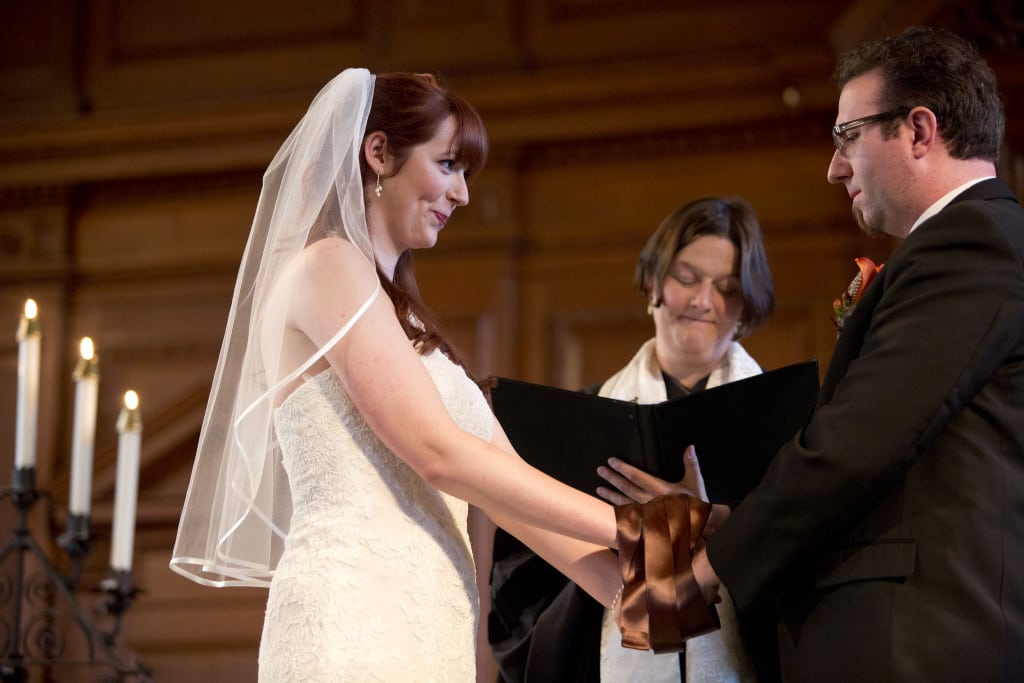
From handfasting cakes and personal vows to bonfires and drum circles, a handfasting gives you lots of freedom to create a ceremony that means something to you. If some guests aren't Pagan, let them know what to expect ahead of time, so they can relax and enjoy the day.
A Solitary Beltane Planting Rite
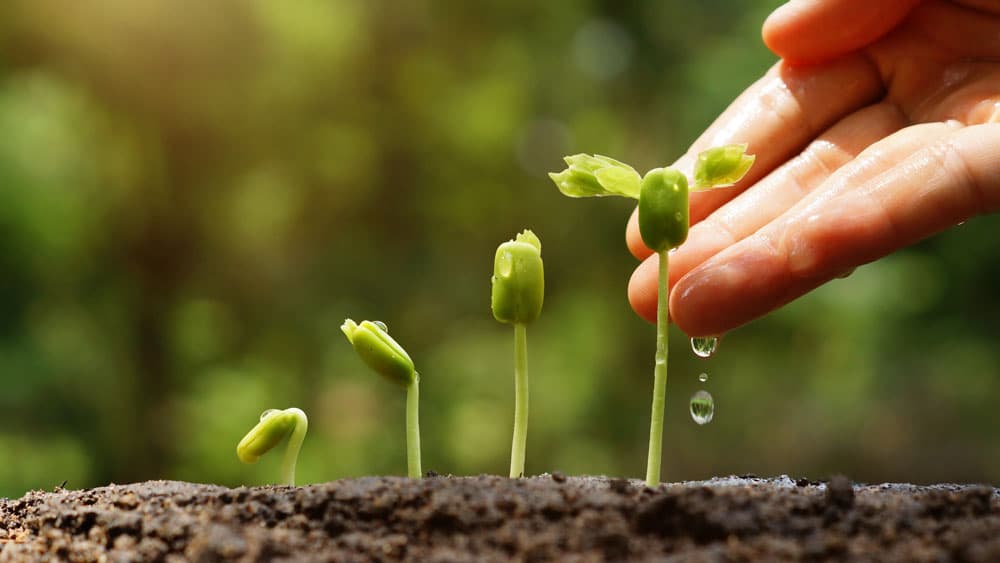
Not one for group rituals? A planting rite is one of the easiest ways to celebrate Beltane alone. You can do it in a garden bed, a window box or a single pot. It's also a great time to start an herb garden: see our list of the best herbs for a witch's garden.
You will need:
- Potting soil or a patch of garden
- Seeds or a seedling
- A trowel or spoon
- Water (rainwater if you have it)
- Take a few deep breaths and think of the Goddess and God, or a deity of growth you feel close to.
- Loosen the soil with your hands or trowel. Notice the sun on your skin and the smell of the earth.
- Hold the seeds or seedling and think about something you want to grow in your life this season.
- Plant it, then say the prayer below before you cover it with soil.
- Water it gently, and promise to care for it as it grows.
Planting Prayer
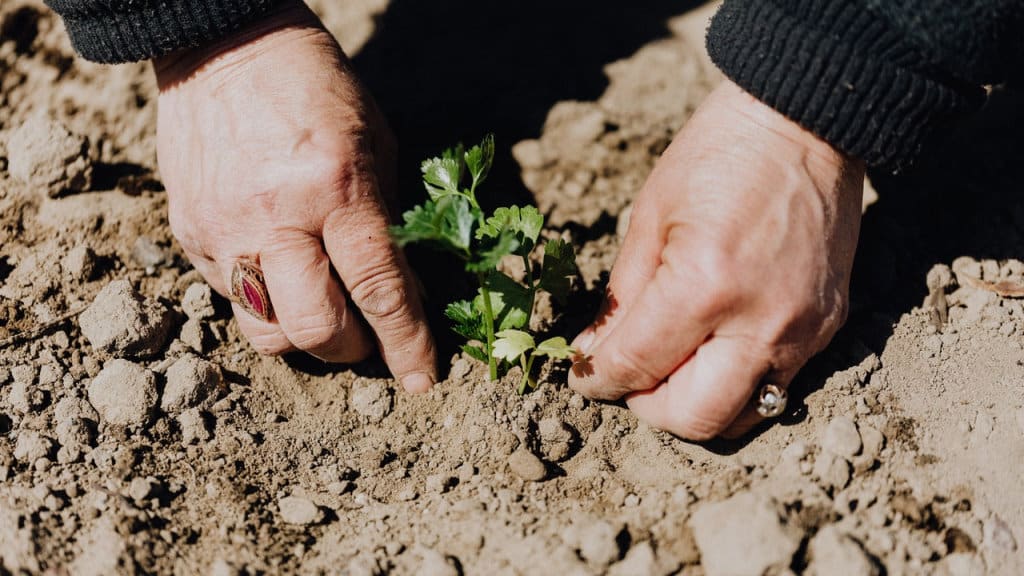
This simple prayer honors Cernunnos, the horned god of the forest. You can change the name to any deity you work with, or simply speak to the earth.
Hail, Cernunnos! God of the forest, master of fertility!
Today, we honor you by planting the seeds of life
deep within the womb of the earth.
Hail, Cernunnos! We ask you to bless this garden,
watch over it, and grant it abundance.
We ask that these plants grow strong and fertile
under your watchful eye.
Hail, Cernunnos! God of the Greenwood!
Make a May Basket
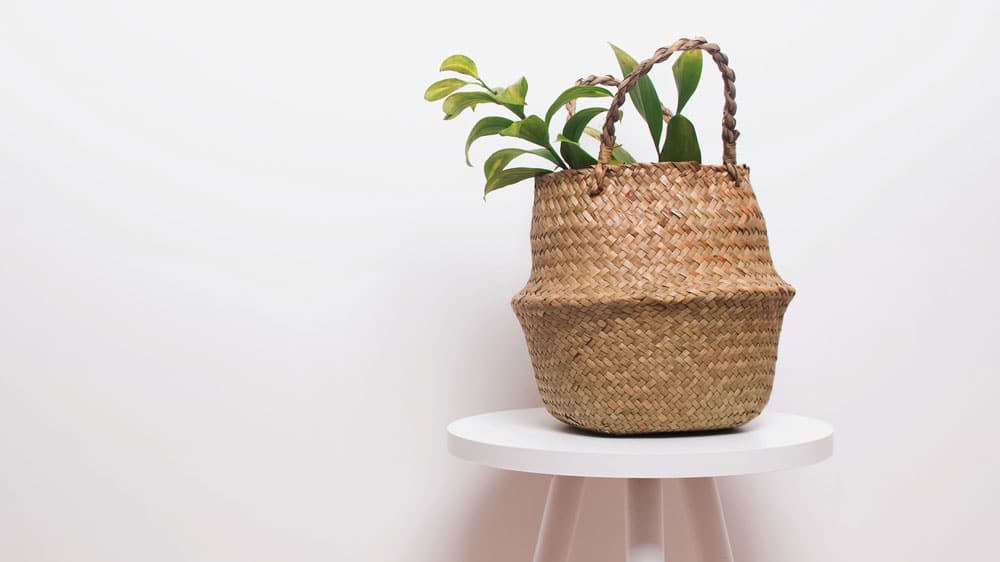
May baskets are another sweet solo activity. In many places people used to hang little baskets of flowers and treats on a neighbor's door on May Day, knock, and run away before they were seen. Fill a small basket or paper cone with flowers, baked goods or sweets and leave it for someone you love.
May baskets are a great way to include children in Beltane. Let them choose a theme, like a favorite color or snack, and decorate the basket themselves. For more ideas, see our witch crafts.
Final Thoughts
Beltane is a celebration of everything that's alive and growing. You can mark it with a bonfire and a maypole, or with a single candle and a pot of seeds on your windowsill. Both are real ways to honor the season. If you'd like to understand every sabbat more deeply, our Wiccan Holidays course walks you through the whole year.
How do you like to celebrate Beltane? We'd love to hear your favorite traditions.
Sources
- Ronald Hutton, The Stations of the Sun: A History of the Ritual Year in Britain (1996)
- Scott Cunningham, Wicca: A Guide for the Solitary Practitioner (1988)
Check out our other articles:
Wiccan Holidays: Litha
The Wheel of the Year
Wiccan Holidays: Ostara
The Holly King and the Oak King
See All Articles
Love this article? Share the magick with your friends and loved ones!
Beltane FAQs
What does the word Beltane mean?
Beltane comes from the Gaelic name for the May Day festival (Bealtaine in modern Irish). It's often translated as "bright fire," which fits a festival built around bonfires, though scholars aren't completely sure of the exact origin of the word.
Is Beltane the same as May Day?
They're closely related. Beltane is the Gaelic May Day festival, and modern Wiccans blend it with other European May Day customs like the maypole and May queens. Both celebrate the start of summer on May 1.
What do Wiccans do on Beltane?
Wiccans celebrate the union of the Goddess and God with bonfires or candles, flower altars, maypole dances, feasts and handfastings. Solitary witches often plant seeds, gather flowers or do a simple ritual for love, creativity and growth.
What are the Beltane colors?
The main Beltane colors are green for growth, red for passion and fire, and white for purity and the Maiden Goddess. Yellow and pink are also popular because they match spring flowers.
Can I celebrate Beltane alone?
Yes. Many witches celebrate every sabbat on their own. Light a candle, put fresh flowers on your altar, plant some seeds with an intention and enjoy a seasonal meal. What matters is that it feels meaningful to you.
Is Beltane a fertility festival?
Yes, but fertility at Beltane means more than having children. It's about anything you want to grow: a garden, a project, a relationship or your own confidence. The festival celebrates life and abundance in all its forms.