Have you felt a pull toward the moon, the woods or the old seasonal festivals, and wondered if Wicca might be your path?
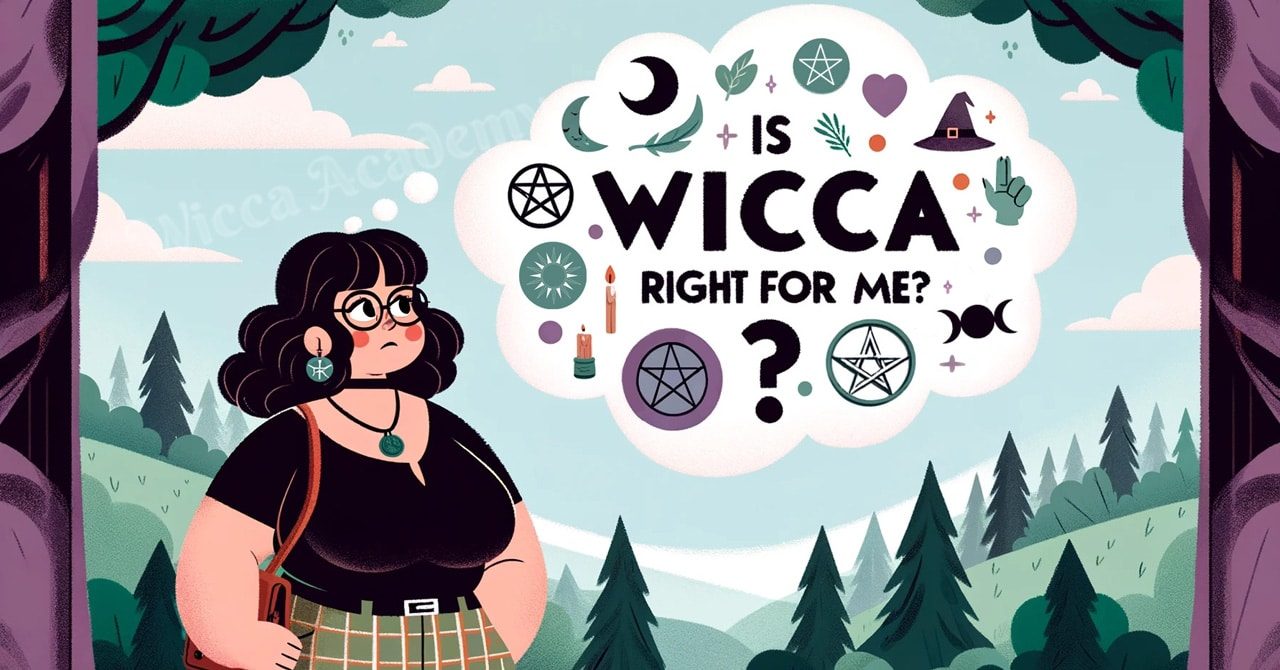
You're not alone. Many people find themselves at the doorway of Wicca, curious but unsure. Maybe you've read a little, lit a candle at the full moon or felt strangely at home the first time you saw a pentacle. Now you're asking: is Wicca right for me?
Only you can answer that, but we can help. Below we'll explain what Wicca asks of you, the signs it might fit, some honest signs it might not, the worries beginners often have, and a simple four-week way to try Wicca before you decide.
Quick Answer
Wicca may be right for you if you feel connected to nature, want to honor both a Goddess and a God, like the idea of celebrating the seasons, are drawn to magick as a way to grow and heal, and want a spiritual path built on personal freedom and the ethic of "harm none." The best way to know is to learn the basics and try it for a while.
What Wicca Is (and What It Asks of You)
Wicca is a modern pagan religion that includes the practice of witchcraft. It draws on older traditions, a deep respect for nature and a belief in divine balance through the Goddess and the God. It teaches harmony with the natural world and within ourselves.
Wiccans celebrate the Earth's cycles through the Wheel of the Year, eight seasonal festivals called sabbats that mark the changing seasons and the farming year. These are times for connection, reflection and celebration. We honor the moon, the sun and the cycles of life and death.
Wicca doesn't ask you to give up your questions, sign up to a church or believe anything that doesn't ring true. It does ask a few things: that you treat nature as sacred, take responsibility for your actions and use magick ethically.
A Personal and Ethical Path
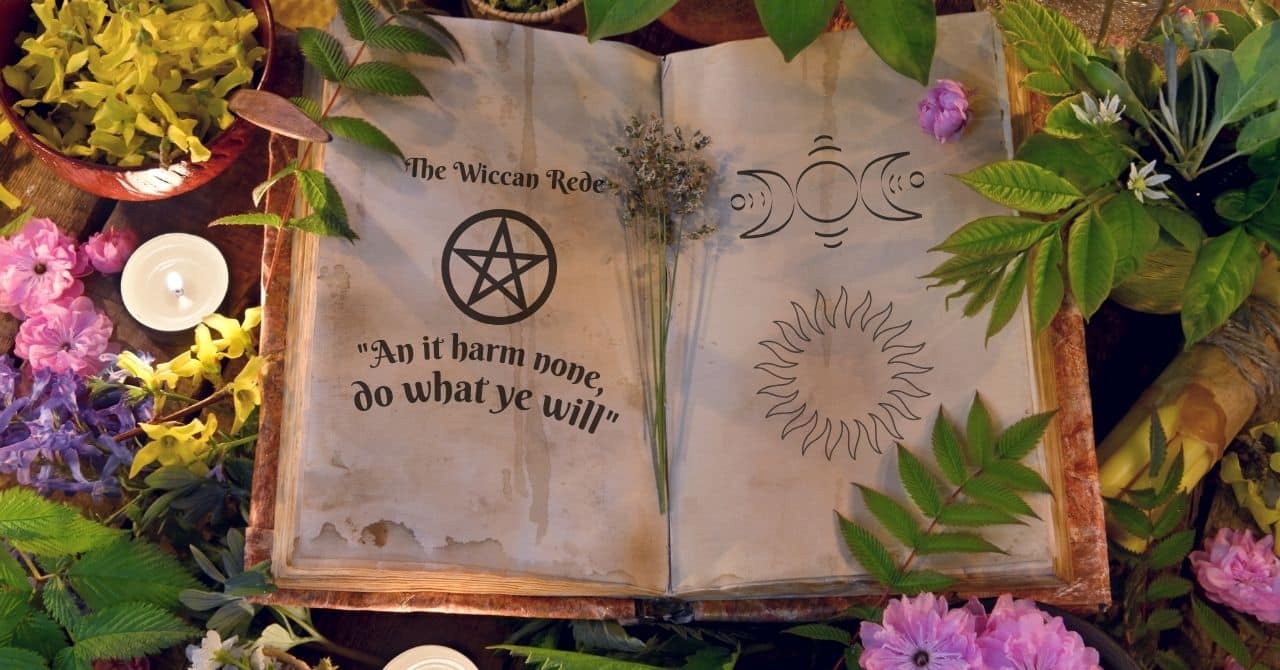
One of the pillars of Wicca is the Wiccan Rede: "An it harm none, do what ye will." It's a short but serious ethic: you're free, as long as you don't cause harm, including to yourself. Many Wiccans also follow the Threefold Law, the belief that what you send out comes back to you multiplied.
One of the most beautiful things about Wicca is that it's not one-size-fits-all. It respects your freedom and lets you learn at your own pace. Your intuition and experience lead the way, and you can choose the deities you honor and the style of practice that suits you.
8 Signs Wicca Might Be Right for You
Ask yourself these questions. If you find yourself nodding along, Wicca may be calling you:
- Do you feel a connection to nature that's hard to put into words?
- Are you looking for a spirituality that honors the divine feminine as well as the masculine?
- Do the seasons, the moon and the solstices feel meaningful to you?
- Do you believe in magick, not as a fairy tale, but as a real way to focus your intention, grow and create change?
- Do you want a path that values personal responsibility over rules handed down from above?
- Are you drawn to ritual: candles, altars, chants and celebrations?
- Does the idea of "harm none" feel like a good moral compass?
- Would you enjoy learning about herbs, crystals, tarot and the old gods?
If several of these sparked a quiet "yes" inside, it's worth exploring further.
Signs Wicca Might Not Be for You
It's just as useful to be honest about when Wicca may not fit. That's not a failure; it's good self-knowledge.
- You want clear rules and a holy book. Wicca has no scripture and expects you to think for yourself.
- You mainly want to curse someone or control another person. Wicca's ethics ask you to harm none and respect free will.
- You're looking for film-style powers. Wiccan magick is real to us, but it's quiet and works alongside everyday action.
- You're drawn to one specific culture's gods and customs. A path like Druidry, Heathenry or Hellenism might suit you better. See the difference between Wicca and paganism.
- You love spells but not religion. You might feel more at home as a witch who isn't Wiccan. Read are all witches Wiccan?
Common Worries Before Starting Wicca
"What will my family think?"
You don't have to tell anyone until you're ready, and many Wiccans keep their path private at first. When you do want to talk about it, our guide on how to explain paganism to non-pagans can help.
"Do I need a coven?"
No. Wicca can be practiced in a group or on your own. Some people love the shared rituals of a coven, while others prefer the quiet of a solitary path. Both are respected, and many Wiccans today practice alone. Read more in eclectic witch and solitary practice.
"Do I need to buy lots of tools?"
No. A candle, a cup of water and a quiet corner are enough to begin. Many Wiccans gather tools slowly over years, and plenty make their own.
"Can I be any gender, age or background?"
Yes. Wicca welcomes everyone. If you've wondered, read can men be witches?
Community and Solitary Practice
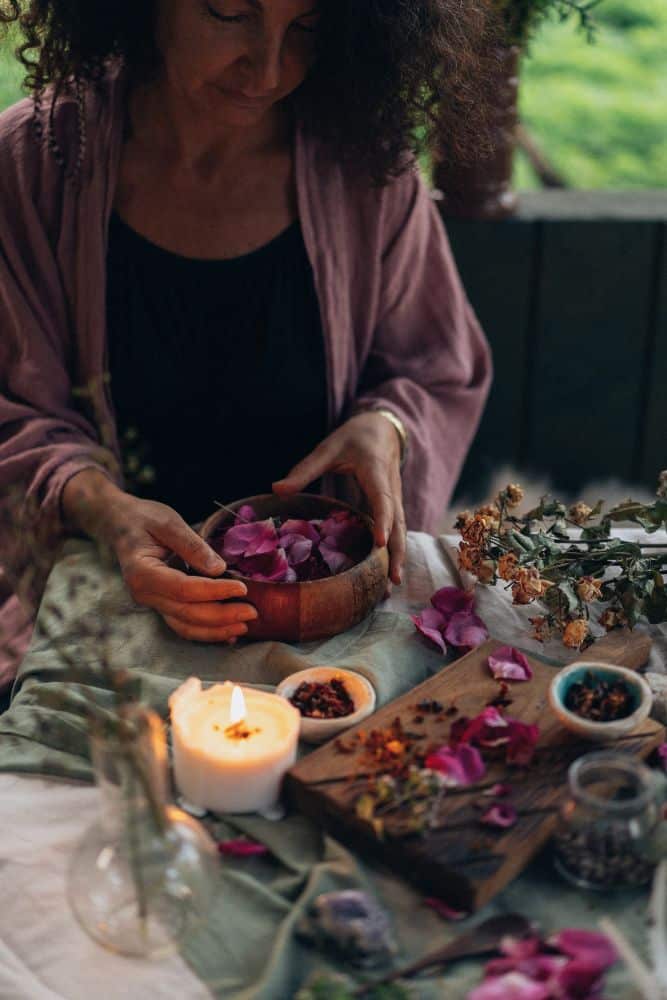
Magick, in the Wiccan sense, isn't about waving wands and conjuring fireballs. It's about directing energy and intention toward change, and it supports personal growth, healing and positive transformation.
You can practice in a coven, alone or somewhere in between, such as joining open seasonal celebrations or online study groups while keeping a private daily practice. Whichever you choose, you'll find others on the same road. If you ever feel isolated, read you are not alone.
Try Wicca for a Month
Not sure yet? Give it four weeks. Here's a gentle plan:
| Week | Focus | Try this |
|---|---|---|
| 1 | Nature | Take a slow walk each day and notice what's changing in the season. |
| 2 | The moon | Check the moon calendar, watch the moon each night and light a candle at the full or new moon. |
| 3 | The Goddess and God | Read about the Moon Goddess and the Horned God and say a simple thank-you at a small altar. |
| 4 | Ritual and magick | Try one small, kind spell and celebrate the next sabbat with a meal or a walk. |
Keep a journal through the month. At the end, read it back. Did it feel like coming home? That feeling is often your best answer.
Take the Next Step
If Wicca feels right, the next step is to learn the foundations properly. Our Wicca 101 course covers the basics of Wiccan beliefs, practices and magick, and our guide on how to become a witch walks you through your first steps.
Remember, spirituality is a unique journey for everyone. Wicca may turn out to be your path, or a stepping stone to something else. Either way, honor your search. It's a brave and beautiful thing to look for your own truth.
Blessed be on your journey, wherever it leads. What drew you to wonder about Wicca? We'd love to hear.
Check out our other articles:
What Is Wicca?
The Moon Goddess and the Horned God
The Difference Between Wicca and Paganism
The Wiccan Rede
See All Articles
Love this article? Share the magick with your friends and loved ones!
Is Wicca Right for Me FAQs
How do I know if Wicca is my path?
Learn the basics, then try it for a few weeks: notice the seasons, follow the moon, honor the Goddess and God and keep a journal. If it feels like coming home, Wicca may be your path. There's no deadline to decide.
Can I be Wiccan and keep my old religion?
Some people blend Wicca with parts of other traditions, while others feel the beliefs don't fit together. Wicca has its own gods and holidays, so it's worth reflecting on what you truly believe. Many people practice witchcraft alongside another faith without becoming Wiccan.
Is it too late to start Wicca?
Never. People come to Wicca at every age, from teenagers to retirees. There's no age limit on learning, celebrating the seasons or honoring the Goddess and God.
Do I have to be initiated to be Wiccan?
No. Traditional covens initiate their members, but solitary Wiccans can hold a simple self-dedication ritual when they feel ready, often after a year and a day of study.
What if I try Wicca and it doesn't feel right?
That's perfectly fine. You may find another pagan path, a style of witchcraft without religion, or something else entirely. Everything you learn about nature, ritual and yourself stays with you.