The 22 Major Arcana cards are the heart of every tarot deck, and once you know them, you can read for yourself with real confidence.
This guide gives you the tarot card meanings for all 22 Major Arcana, from 0 The Fool to XXI The World. For each card you'll find the upright and reversed meaning, a one-line reading for love and career, and notes on the imagery of the classic Rider-Waite-Smith deck, so you can learn to read the pictures, not just memorize keywords.
We'll also share a quick-reference table and simple ways to learn the cards. If you'd like to try a reading as you go, our free online tarot reading is a handy companion.
How to Read a Major Arcana Card in 5 Steps
- Look before you look it up. Notice the colors, figures, animals and objects, and how the card makes you feel.
- Find the core theme. Every Major Arcana card stands for a big life lesson, such as new beginnings, endings or balance.
- Check the direction. Upright cards show the energy flowing well. Reversed cards often show it blocked, delayed or turned inward.
- Connect it to your question. Ask how this lesson shows up in your love life, work or inner world right now.
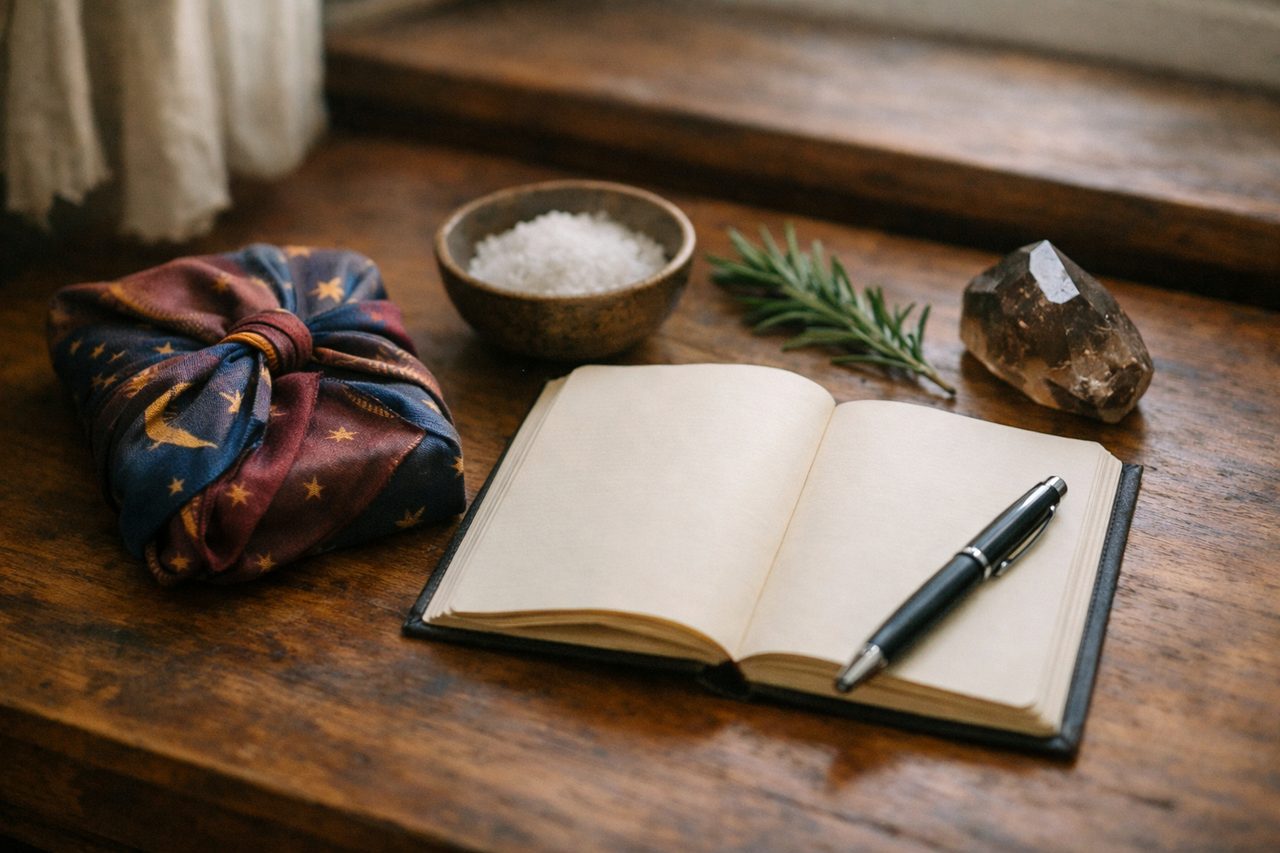
- Write it down. Note the card, your question and your first impression in a tarot journal, then look back in a week.
What Are the Major Arcana?
A standard tarot deck has 78 cards. The 56 Minor Arcana cards are split into four suits (Wands, Cups, Swords and Pentacles) and tend to describe everyday events. The 22 Major Arcana cards are the trumps, and they speak about the big themes: turning points, spiritual lessons and the forces that shape a life. When several Major Arcana cards turn up in one reading, many readers take it as a sign that something important is going on.
Tarot cards first appeared in 15th-century Italy as a card game. People began using them for divination in France in the late 1700s. The deck most beginners learn with today is the Rider-Waite-Smith tarot, published in 1909, designed by Arthur Edward Waite and illustrated by the artist Pamela Colman Smith. Its pictures are so widely copied that most modern decks follow its imagery, which is why we describe it below.
Many readers see the Major Arcana as a story called the Fool's Journey: the Fool (card 0) sets out into life and meets each of the other cards as a teacher, ending in wholeness with The World. Reading the cards in order like this makes them much easier to remember.
Major Arcana Tarot Card Meanings at a Glance
Use this table as a quick reference while you read. The full meanings for each card follow below.
| No. | Card | Upright keywords | Reversed keywords |
|---|---|---|---|
| 0 | The Fool | New beginnings, faith, spontaneity | Recklessness, hesitation, fear of the unknown |
| I | The Magician | Willpower, skill, manifestation | Manipulation, scattered energy, untapped talent |
| II | The High Priestess | Intuition, mystery, inner knowing | Ignored intuition, secrets, disconnection |
| III | The Empress | Abundance, nurturing, creativity | Creative block, neglecting self-care, smothering |
| IV | The Emperor | Structure, authority, stability | Rigidity, control, lack of discipline |
| V | The Hierophant | Tradition, teaching, shared beliefs | Rebellion, your own path, questioning rules |
| VI | The Lovers | Love, union, choices, shared values | Imbalance, misaligned values, avoiding a choice |
| VII | The Chariot | Determination, victory, momentum | Lack of direction, scattered effort, aggression |
| VIII | Strength | Courage, compassion, inner strength | Self-doubt, low energy, insecurity |
| IX | The Hermit | Introspection, solitude, inner guidance | Isolation, loneliness, avoiding reflection |
| X | Wheel of Fortune | Cycles, change, luck, turning points | Resisting change, setbacks, repeating patterns |
| XI | Justice | Fairness, truth, cause and effect | Unfairness, dishonesty, avoiding accountability |
| XII | The Hanged Man | Surrender, pause, new perspective | Stalling, resistance, needless sacrifice |
| XIII | Death | Endings, transformation, transition | Resisting change, stagnation, fear of endings |
| XIV | Temperance | Balance, moderation, patience | Excess, imbalance, impatience |
| XV | The Devil | Attachment, unhealthy habits, temptation | Breaking free, release, reclaiming power |
| XVI | The Tower | Sudden change, upheaval, revelation | Avoiding change, delayed upheaval, inner shift |
| XVII | The Star | Hope, healing, renewal | Discouragement, lost faith, disconnection |
| XVIII | The Moon | Intuition, dreams, uncertainty | Confusion lifting, fears released, truth emerging |
| XIX | The Sun | Joy, success, vitality | Temporary gloom, blocked joy, overconfidence |
| XX | Judgement | Awakening, renewal, a calling | Self-doubt, harsh self-judgment, ignoring the call |
| XXI | The World | Completion, wholeness, achievement | Loose ends, lack of closure, shortcuts |
A note on reversals: not every reader uses them. Some read every card upright and let the surrounding cards show whether the energy is flowing or stuck. Both approaches are valid, so trust what works for you.
The Major Arcana Cards 0 to VII: Setting Out
The first eight cards cover the basics of the journey: the leap into life, the tools we're given, and the people and structures that shape us.
0. The Fool
On the card: A young traveler stands at the edge of a cliff, face turned to the sky, holding a white rose and a small bundle on a staff, while a little white dog leaps at their heels under a bright sun.
- Upright: New beginnings, innocence, spontaneity and a leap of faith. The Fool tarot meaning is about saying yes to the unknown with an open heart.
- Reversed: Recklessness, poor judgment, or the opposite: hesitation and fear holding you back from a fresh start.
- In love: A new romance or a fresh start in a relationship; enjoy it, but look where you're stepping.
- In career: A new job, project or path; take the chance, with a little planning.
I. The Magician
On the card: A figure raises a wand to the sky with one hand and points to the earth with the other. An infinity sign floats above their head, and on the table sit a cup, a pentacle, a sword and a wand, the four suits and the four elements. For witches, the gesture echoes the old phrase "as above, so below".
- Upright: Willpower, skill, focus and manifestation. You have everything you need to make it happen.
- Reversed: Manipulation, trickery, scattered energy or talent you're not using.
- In love: Taking the initiative and showing your feelings; make sure words and actions match.
- In career: The skills and resources to succeed; a good time to launch, pitch or present.
II. The High Priestess
On the card: A calm woman sits between a black pillar and a white pillar marked B and J, before a veil decorated with pomegranates. She wears a crown shaped like the phases of the moon, holds a half-hidden scroll and has a crescent moon at her feet.
- Upright: Intuition, mystery, the subconscious and quiet inner knowing. Listen more than you speak.
- Reversed: Ignoring your intuition, hidden agendas, secrets or feeling cut off from your inner voice.
- In love: Feelings beneath the surface; be patient and trust what you sense.
- In career: Not everything is known yet; research, wait and trust your gut.
III. The Empress
On the card: A woman in a flowing gown rests on cushions in a field of ripe wheat, wearing a crown of twelve stars, with a heart-shaped shield bearing the symbol of Venus beside her and a forest and waterfall behind. Many witches see the Goddess as Mother in this card.
- Upright: Abundance, nurturing, fertility, creativity and a close bond with nature.
- Reversed: Creative block, neglecting yourself, dependence or smothering others.
- In love: Warmth, affection and a nurturing bond; sometimes family or new life.
- In career: Creative work and projects that grow and flourish.
IV. The Emperor
On the card: A bearded ruler in armor and a red robe sits on a stone throne carved with rams' heads, holding an ankh-topped scepter and an orb, with bare mountains behind him.
- Upright: Structure, authority, stability, leadership and a steady protective presence.
- Reversed: Rigidity, too much control, domination or a lack of discipline.
- In love: Commitment and stability; watch out for control taking the place of care.
- In career: Leadership, clear plans and solid structures; sometimes a boss or authority figure.
V. The Hierophant
On the card: A religious teacher in red robes and a triple crown sits between two pillars, one hand raised in blessing. Two crossed keys lie at his feet and two followers kneel before him. The name comes from the Greek for "one who shows sacred things", and some older decks call this card the Pope. For witches, he can stand for a trusted teacher, a coven or any tradition you learn from.
- Upright: Tradition, spiritual teaching, mentorship, shared beliefs and belonging to a group. The Hierophant meaning centers on learning from established wisdom.
- Reversed: Rebellion, questioning the rules, following your own spiritual path or feeling boxed in by convention.
- In love: Traditional commitment, shared values and sometimes marriage.
- In career: Established institutions, study, a mentor or following proper procedure.
VI. The Lovers
On the card: A man and a woman stand beneath a great winged angel and a blazing sun. Behind the woman is a tree with a serpent; behind the man, a tree of flames, with a mountain rising between them.
- Upright: Love, union, harmony and choices made from your true values.
- Reversed: Imbalance, disharmony, misaligned values or avoiding an important choice.
- In love: A deep, meaningful connection and real partnership.
- In career: A big decision or partnership; choose what matches your values.
VII. The Chariot
On the card: A charioteer in armor stands under a starry canopy, guiding a chariot pulled by two sphinxes, one black and one white, without reins, with a walled city behind.
- Upright: Determination, willpower, victory and moving forward with focus.
- Reversed: Lack of direction, scattered effort, obstacles or forcing things.
- In love: Going after what you want, and balancing two different needs.
- In career: Ambition, success through focus, sometimes travel for work.
The Major Arcana Cards VIII to XIV: Looking Inward
The middle cards turn inward. They're about patience, reflection, fate, fairness, surrender and the endings that make room for something new. In the Rider-Waite-Smith deck, Strength is card VIII and Justice is XI. Older decks often swap them, so don't worry if your deck numbers them the other way.
VIII. Strength
On the card: A woman in white, crowned and belted with flowers, gently closes the jaws of a lion, with an infinity sign above her head.
- Upright: Courage, compassion, patience and gentle inner strength.
- Reversed: Self-doubt, low energy, insecurity or emotions running the show.
- In love: Patience and kindness win the day; soft strength over force.
- In career: Steady confidence; handle difficult people with calm.
IX. The Hermit
On the card: An old man in a grey cloak stands alone on a snowy peak, holding a staff and a lantern with a six-pointed star shining inside.
- Upright: Introspection, solitude, soul-searching and inner guidance.
- Reversed: Isolation, loneliness, withdrawing too far, or refusing to look inward.
- In love: Time alone to understand what you want, or a need for space.
- In career: Study, research, rethinking your goals or seeking a mentor.
X. Wheel of Fortune
On the card: A great wheel marked with letters and alchemical symbols turns in the sky. A sphinx sits on top, a snake slides down one side and a jackal-headed figure rises on the other, while winged figures (an angel, an eagle, a lion and a bull) read books in the corners. It pairs nicely with the turning Wheel of the Year in Wicca.
- Upright: Cycles, change, luck, fate and turning points.
- Reversed: Resisting change, a run of bad luck or repeating the same patterns.
- In love: A sudden turn of events or a meeting that feels fated.
- In career: Unexpected opportunity; ride the change rather than fighting it.
XI. Justice
On the card: A figure in a red robe sits between two pillars, holding an upright sword in one hand and balanced scales in the other.
- Upright: Fairness, truth, cause and effect, accountability and legal matters.
- Reversed: Unfairness, dishonesty or avoiding responsibility for your actions.
- In love: Honesty and balance; a relationship that's fair to both of you.
- In career: Contracts, legal decisions and fair outcomes.
XII. The Hanged Man
On the card: A man hangs upside down by one foot from a living T-shaped tree, his other leg bent behind him and his hands behind his back. His face is calm and a glowing halo circles his head.
- Upright: Surrender, pause, letting go and seeing things from a new angle.
- Reversed: Stalling, resistance, endless delays or sacrifice that serves no one.
- In love: Pause and try seeing the situation from your partner's side.
- In career: A project on hold; wait and rethink before you act.
XIII. Death
On the card: A skeleton in black armor rides a white horse, carrying a black banner with a white rose. A king lies fallen, a clergyman stands with hands pressed together, a young woman turns away and a child looks up, while the sun sits between two towers on the horizon. Many readers see the sun on the horizon as a sunrise, a promise of renewal after every ending.
- Upright: The Death tarot card meaning is endings, transformation and transition. It almost never means physical death. It shows one chapter closing so another can begin.
- Reversed: Resisting change, stagnation, fear of letting go or a slow, drawn-out ending.
- In love: A relationship transforming, or an ending that makes room for something healthier.
- In career: The end of a job, role or phase, and the start of a new one.
XIV. Temperance
On the card: A winged angel stands with one foot on land and one in a pool, pouring water between two cups. Irises bloom nearby and a path leads to distant mountains crowned with light.
- Upright: Balance, moderation, patience, healing and blending opposites.
- Reversed: Excess, imbalance, impatience or going to extremes.
- In love: Harmony, compromise and steady, healing love.
- In career: Steady progress, teamwork and the right mix of effort and rest.
The Major Arcana Cards XV to XXI: Shadow and Light
The final cards face our shadows, tear down what's false and lead us into hope, joy, awakening and completion.
XV. The Devil
On the card: A horned, bat-winged figure crouches on a dark pedestal with a reversed pentagram above its head. A man and a woman with small horns and tails stand chained to the pedestal, but the chains hang loosely enough to lift off. This card isn't about evil. It's about the chains we accept, and those loose chains remind us we can walk away. It's a good card to explore through shadow work.
- Upright: Attachment, unhealthy habits, temptation, materialism and feeling trapped.
- Reversed: Breaking free, releasing a habit, reclaiming your power and facing your shadow.
- In love: Obsession, jealousy or codependency; ask honestly what's healthy for you.
- In career: Feeling stuck in a job for the money, or overwork taking over your life.
XVI. The Tower
On the card: Lightning strikes a tall tower on a rocky peak, knocking off its crown. Flames burst from the windows and two figures fall through a dark sky.
- Upright: Sudden change, upheaval, revelation and the collapse of false foundations.
- Reversed: Fear of change, delaying the inevitable or an upheaval happening inside you.
- In love: A shake-up or a truth coming to light; what's real will survive.
- In career: Sudden job changes or restructuring that clears the way for better.
XVII. The Star
On the card: A woman kneels by a pool, one foot in the water and one on land, pouring water from two jugs, one into the pool and one onto the earth. A large eight-pointed star shines above her with seven smaller stars, and a bird rests in a tree behind.
- Upright: Hope, healing, renewal, inspiration and calm after a storm.
- Reversed: Discouragement, lost faith or feeling disconnected from your purpose.
- In love: Healing and hope; an open heart.
- In career: Inspiration, renewed purpose and a sense of being on the right track.
XVIII. The Moon
On the card: A moon with a face shines between two towers. A dog and a wolf howl up at it, a crayfish climbs out of a pool, and a winding path runs between them into the hills. Witches who work with the moon phases often find this card easy to love. Its dreamy themes overlap with our Dream Interpretation and Psychic Visions course.
- Upright: Intuition, dreams, the unconscious, illusion and uncertainty.
- Reversed: Confusion lifting, fears released and the truth slowly coming out.
- In love: Unclear feelings; trust your intuition but check the facts.
- In career: Hidden information or an uncertain situation; don't rush.
XIX. The Sun
On the card: A smiling child rides a white horse beneath a huge, beaming sun, holding a red banner, with tall sunflowers peeking over a wall behind.
- Upright: Joy, success, vitality, warmth and clarity.
- Reversed: Temporary gloom, blocked joy or overconfidence; still a positive card at heart.
- In love: Happiness, warmth and a relationship that brings out the best in you.
- In career: Success, recognition and a project that shines.
XX. Judgement
On the card: An angel blows a trumpet hung with a banner bearing a red cross, and people rise from open coffins with their arms raised, against mountains and water.
- Upright: Awakening, renewal, a calling, honest reflection and forgiveness.
- Reversed: Self-doubt, harsh self-judgment or ignoring a call you hear.
- In love: A second chance or an honest look at where you both stand.
- In career: A calling, a big decision or a review of your path.
XXI. The World
On the card: A dancing figure wrapped in a violet sash holds a wand in each hand inside a large laurel wreath tied with red ribbons. An angel, an eagle, a lion and a bull look on from the corners.
- Upright: Completion, wholeness, achievement, integration and travel.
- Reversed: Loose ends, lack of closure or taking shortcuts to the finish.
- In love: Fulfillment, or a relationship reaching a new stage.
- In career: Finishing a big project, achievement and sometimes work that takes you abroad.
How to Learn the Tarot Card Meanings
Nobody memorizes 22 cards in a weekend, and you don't need to. These habits make the meanings stick:
- Do a daily draw. Pull one card each morning and ask, "What do I need to know today?" In the evening, note how the card showed up.
- Keep a tarot journal. For each card, write the date, your own impressions of the picture and the book meaning. Your notes will become your best reference.
- Tell the Fool's Journey as a story. Lay the Major Arcana out in order and narrate it aloud. Stories stick far better than lists.
- Start with Major Arcana-only spreads. A three-card past, present, future spread using just these 22 cards is a gentle first step.
- Look after your deck. Many witches clear a new deck before using it. Our guide on how to cleanse a tarot deck shows you several easy ways.
- Try other forms of divination too. Our beginner's guide to divination methods covers pendulums, runes and more, and our Samhain divination ideas are perfect for this time of year.
When you're ready to go deeper into spreads, the Minor Arcana and reading for others, our Tarot Card Readings course takes you through it step by step. A gentle reminder too: tarot is a tool for reflection, not a replacement for medical, legal or financial advice.
Final Thoughts
The Major Arcana tell one of the oldest stories there is: we set out with hope, learn from teachers and trials, face our shadows, lose what isn't real and find our way to wholeness. Learn these tarot card meanings one at a time, let the pictures speak to you, and trust what you feel when a card turns up. Your own reading of a card, built over months of practice, will always be richer than any keyword list.
Which Major Arcana card keeps showing up in your readings? Tell us in the comments!
Sources
Waite, Arthur Edward. The Pictorial Key to the Tarot. William Rider & Son, 1910.
Pollack, Rachel. Seventy-Eight Degrees of Wisdom: A Book of Tarot. Aquarian Press, 1980 (rev. ed. Weiser Books, 2007).
Greer, Mary K. Tarot for Your Self. Newcastle Publishing, 1984.
Bunning, Joan. Learning the Tarot: A Tarot Book for Beginners. Weiser Books, 1998.
Check out our other articles:
How to Cleanse a Tarot Deck
Exploring Popular Divination Methods: A Beginner's Guide
Samhain Divination: 7 Ways to Glimpse the Year Ahead
Palm Reading for Beginners: How to Read Your Palm Lines
See All Articles
Love this article? Share the magick with your friends and loved ones!
Major Arcana FAQs
What does the Death tarot card mean?
The Death card means endings, transformation and transition. It almost never predicts a physical death. It shows one chapter of life closing so a new one can begin, and many readers see it as a hopeful card once the change is accepted.
What does The Fool mean in tarot?
The Fool stands for new beginnings, innocence, spontaneity and a leap of faith. Reversed, it can warn of recklessness or of fear holding you back. It is card 0, the start of the Fool's Journey through the Major Arcana.
What does The Hierophant mean?
The Hierophant means tradition, spiritual teaching, mentorship and shared beliefs. Reversed, it points to questioning the rules and following your own path. In love it often signals commitment and shared values.
How many Major Arcana cards are there?
There are 22 Major Arcana cards, numbered 0 (The Fool) to XXI (The World). Together with the 56 Minor Arcana cards they make up a standard 78-card tarot deck.
What is the most powerful card in tarot?
There's no official ranking, but many readers consider The World, The Sun and The Tower among the most powerful because of how strongly they change a reading. The meaning always depends on your question and the cards around it.
Do I have to read tarot cards reversed?
No. Many readers read every card upright and let the neighboring cards show whether the energy is flowing or blocked. Others find reversals add useful detail. Both ways are valid.
What is the difference between the Major and Minor Arcana?
The 22 Major Arcana cards describe big life themes and turning points. The 56 Minor Arcana cards, in the suits of Wands, Cups, Swords and Pentacles, describe everyday events, feelings and actions.
How long does it take to learn tarot card meanings?
Most people feel comfortable with the Major Arcana after a few weeks of daily draws and journaling, and with the full deck after a few months. Learning one card a day and studying the pictures speeds things up.