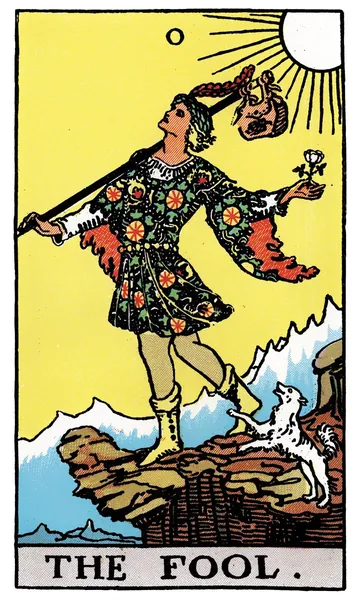
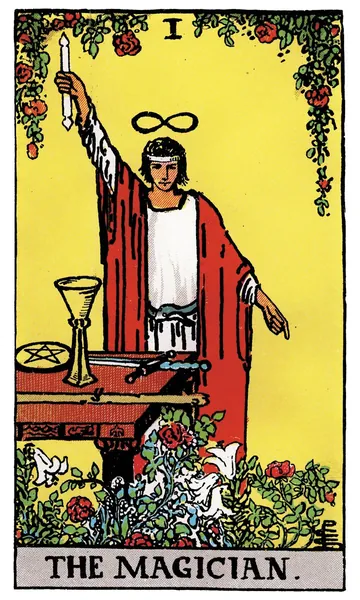
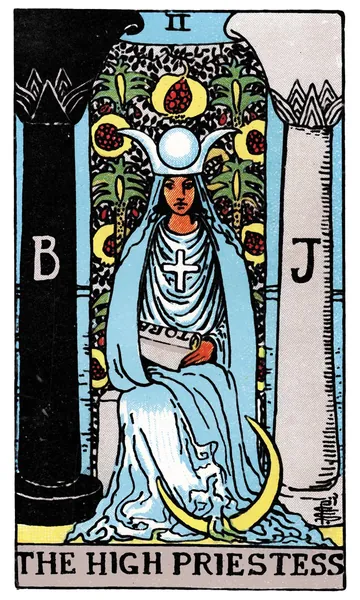
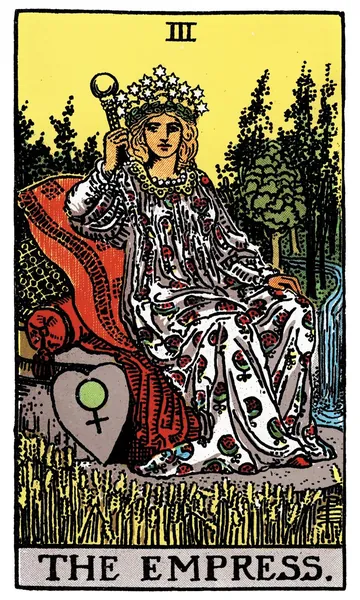
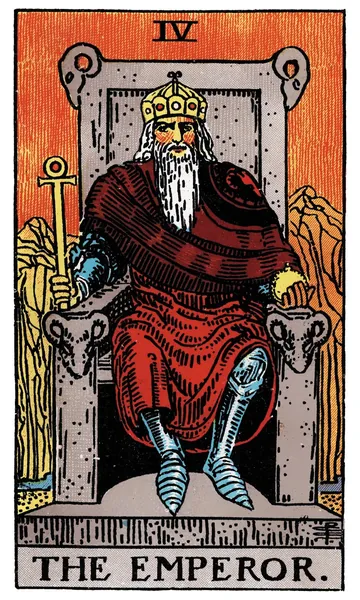
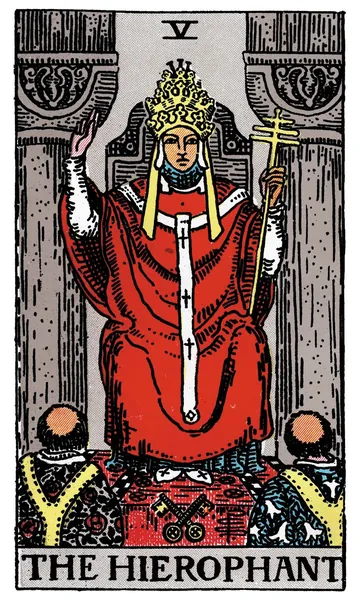
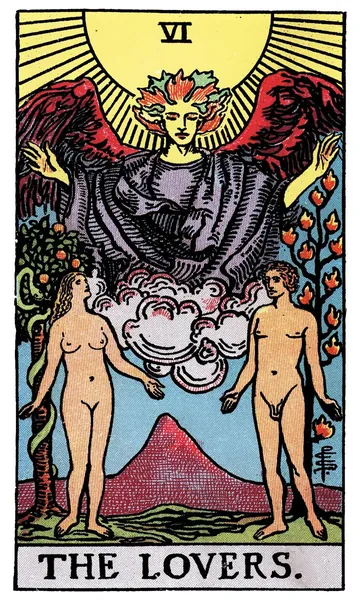
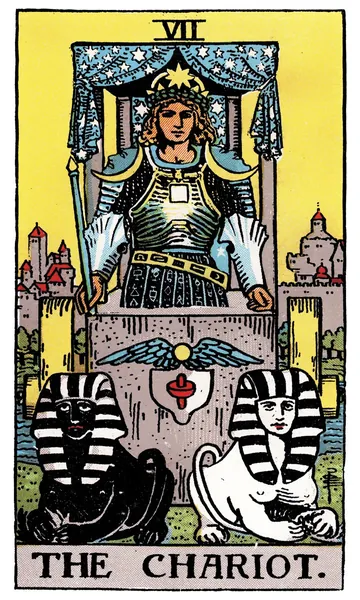
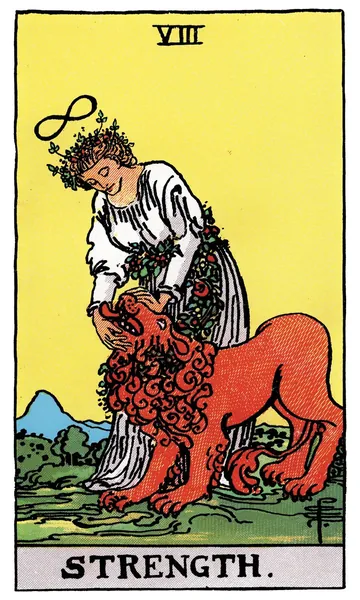
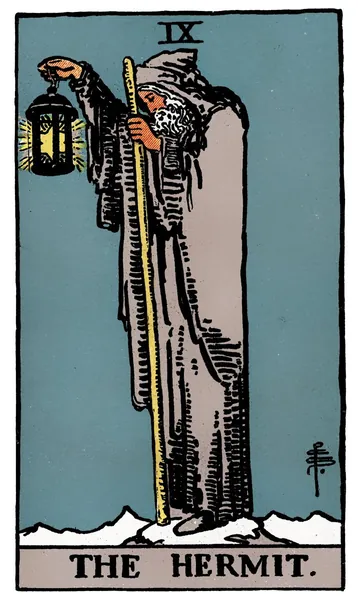
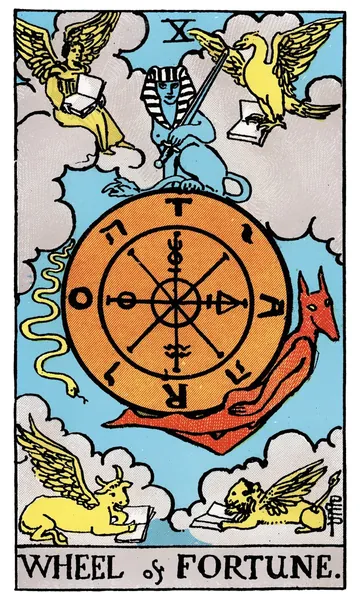
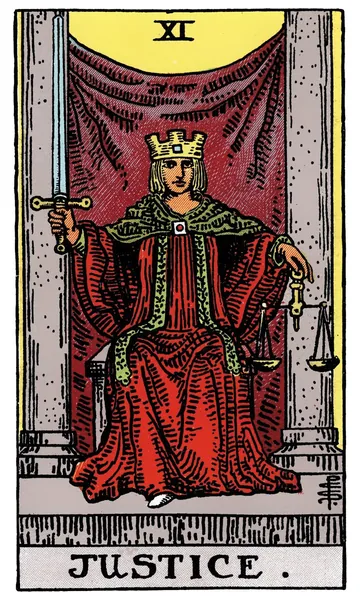
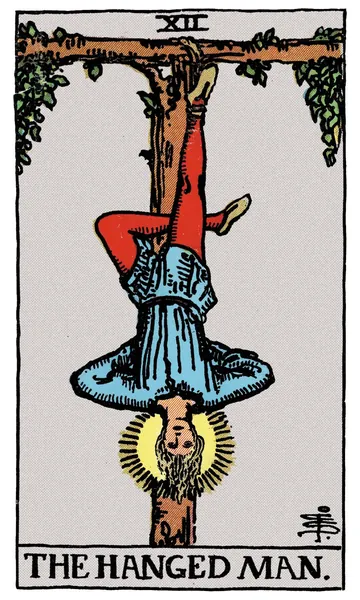
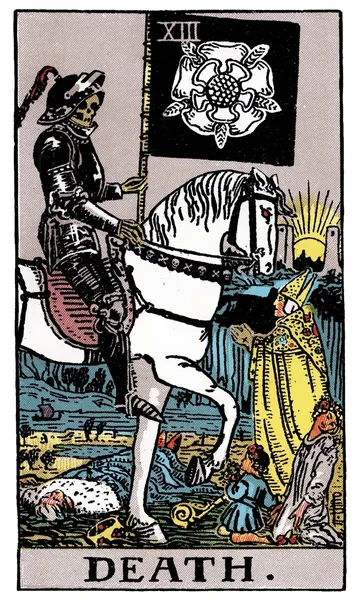
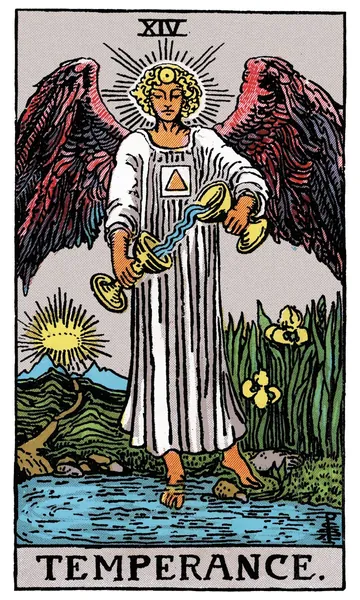
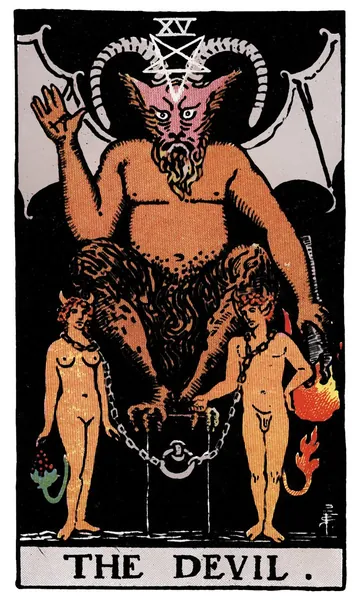
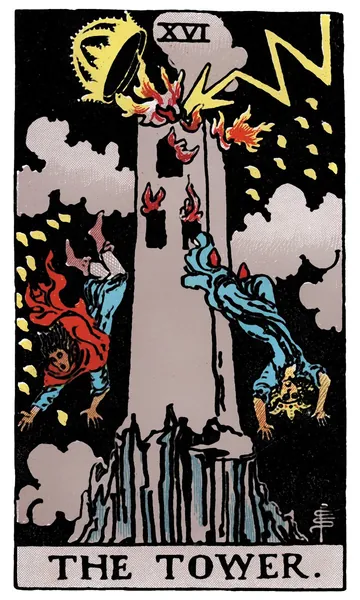
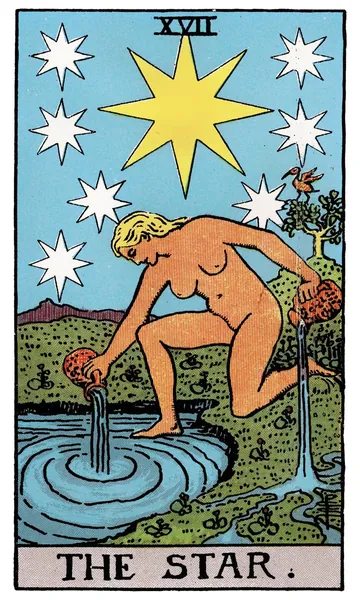
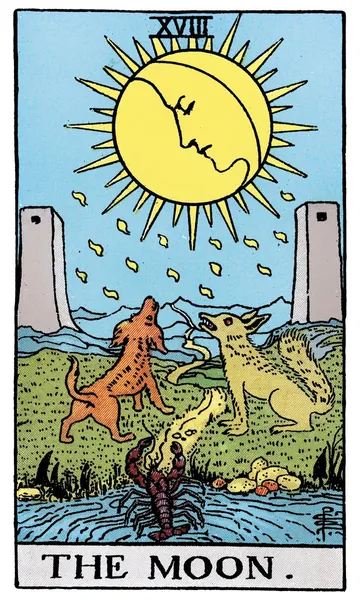
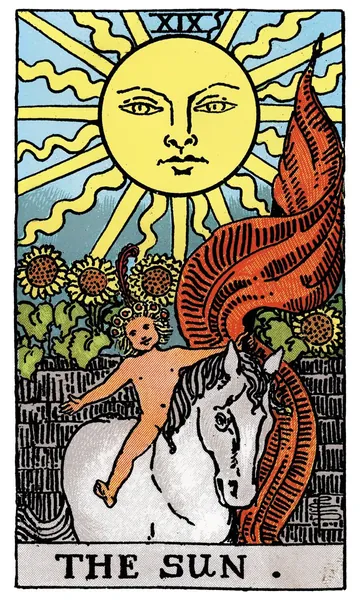
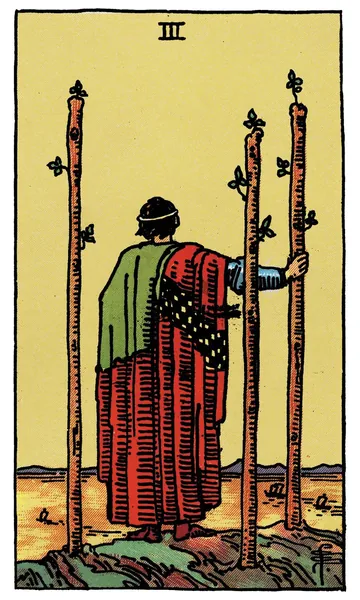
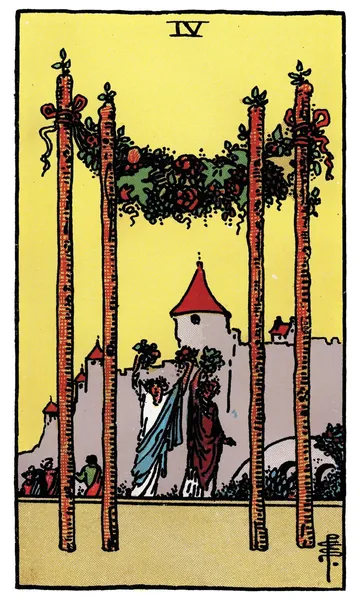
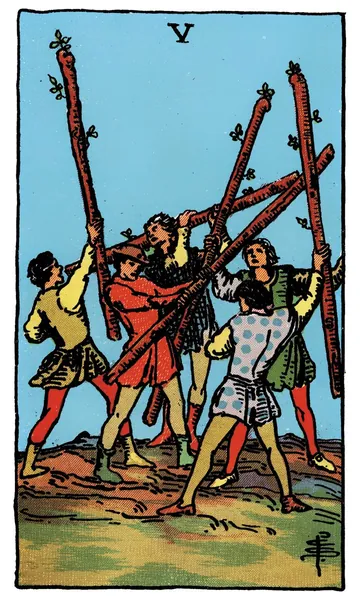
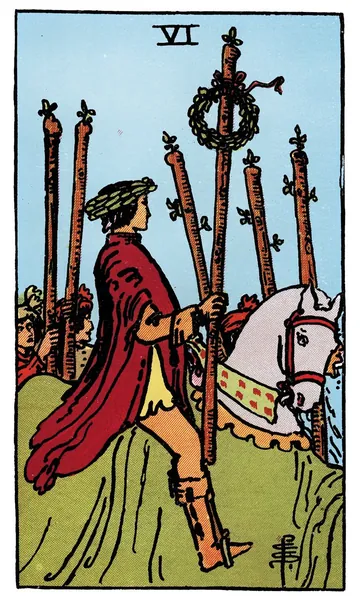
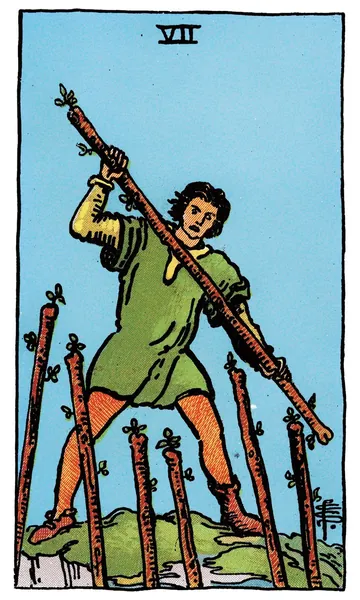
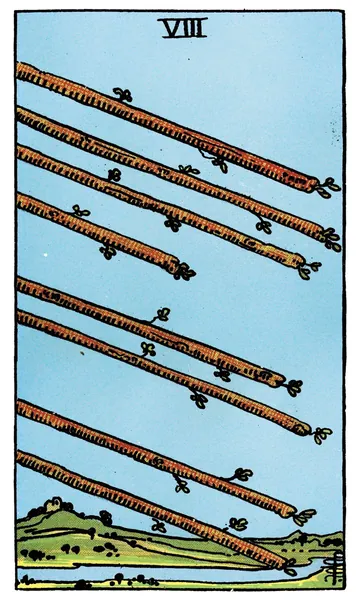
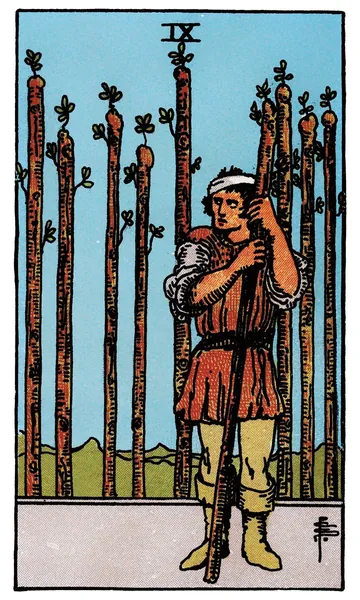
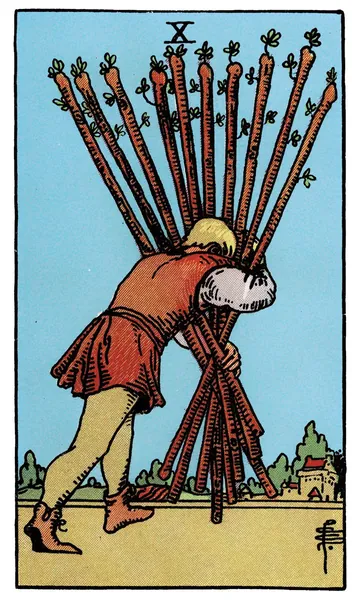
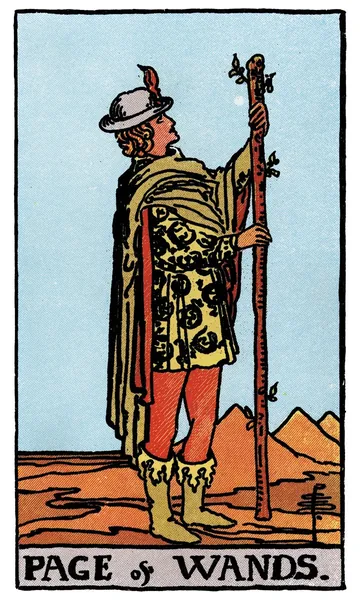
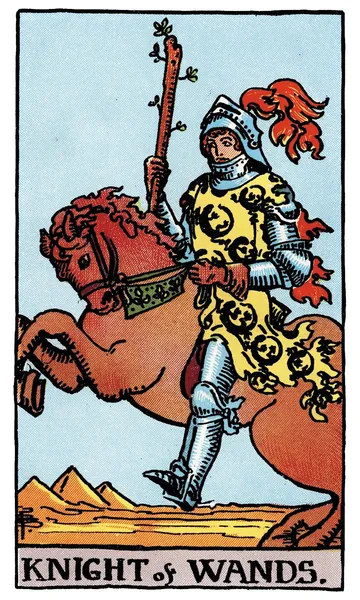
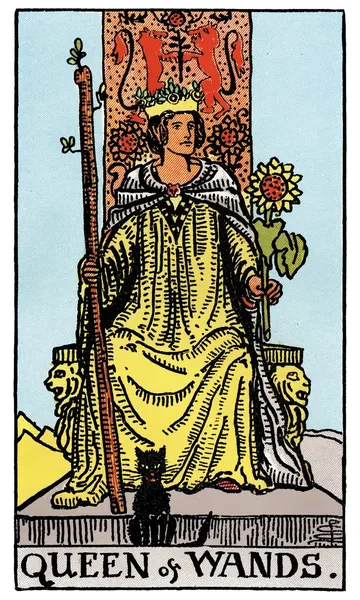
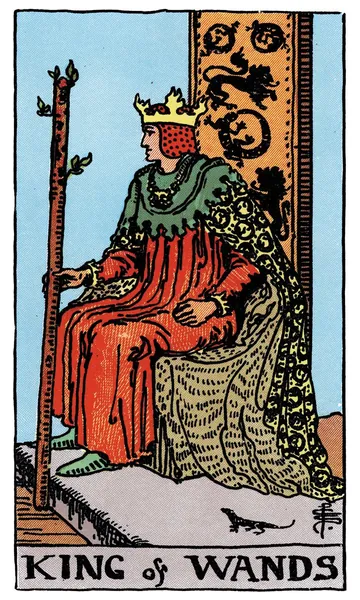
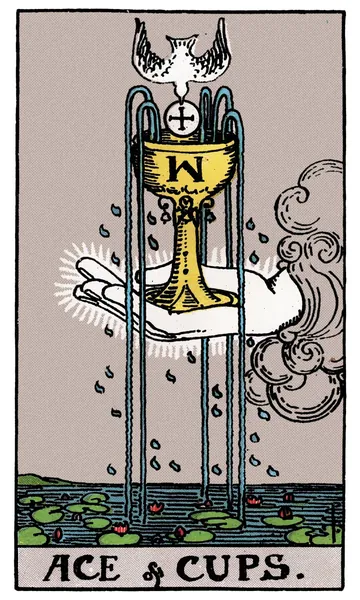
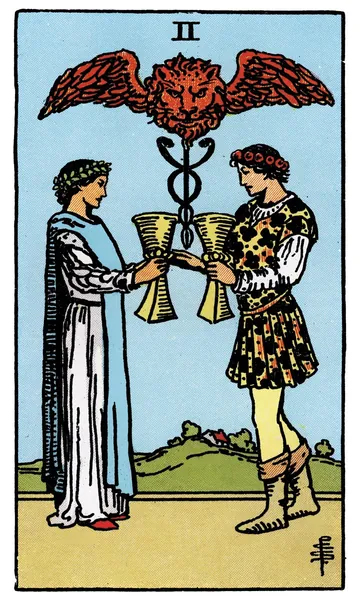
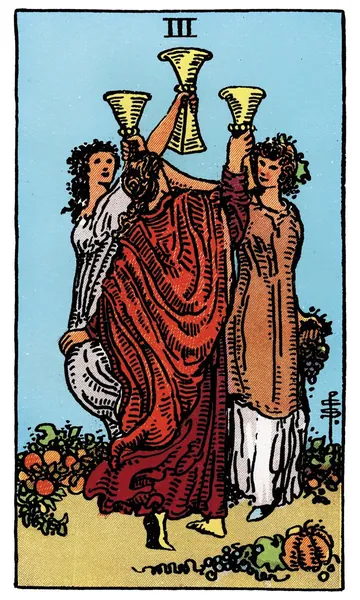
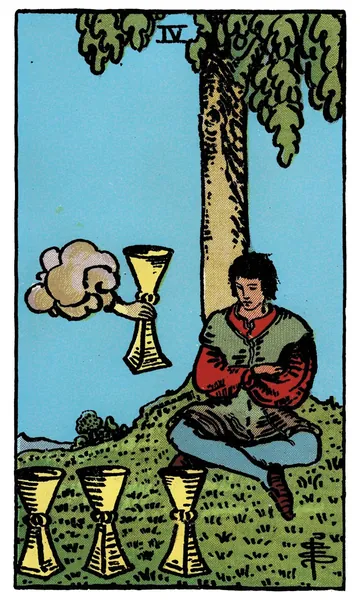
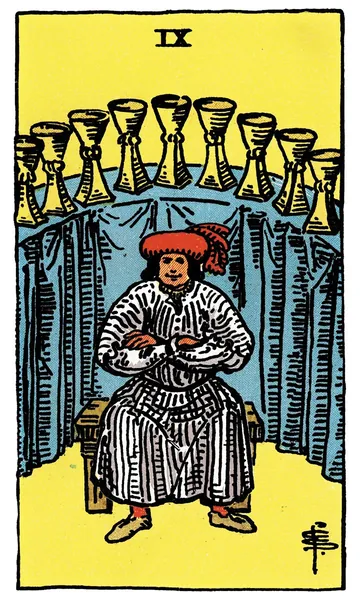
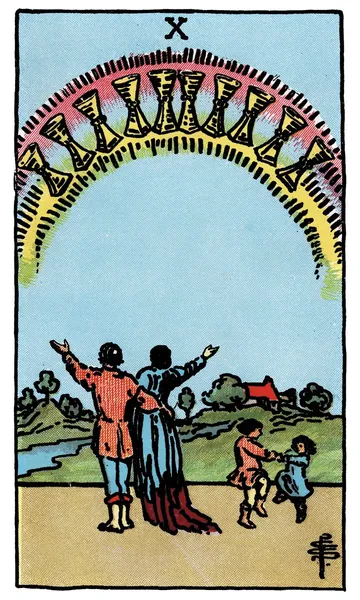
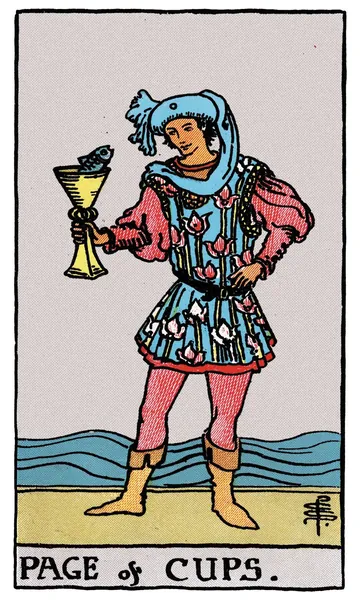
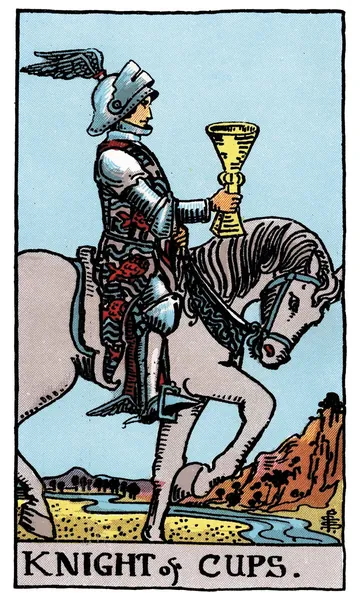
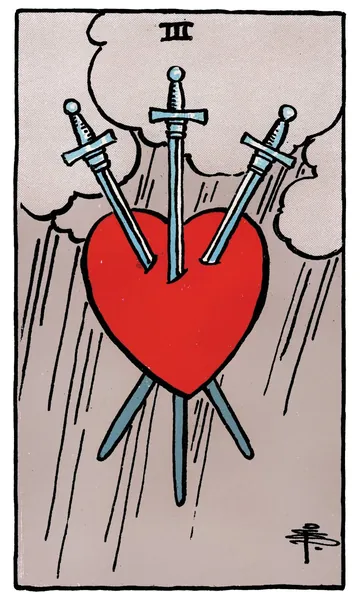
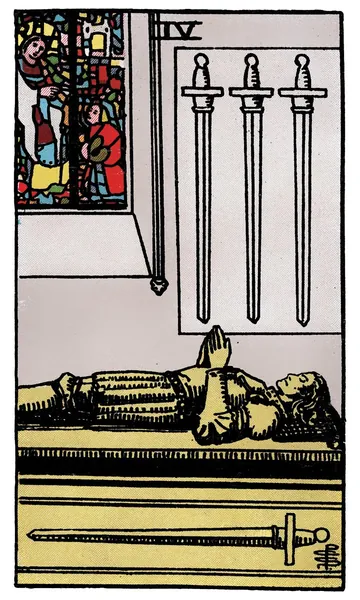
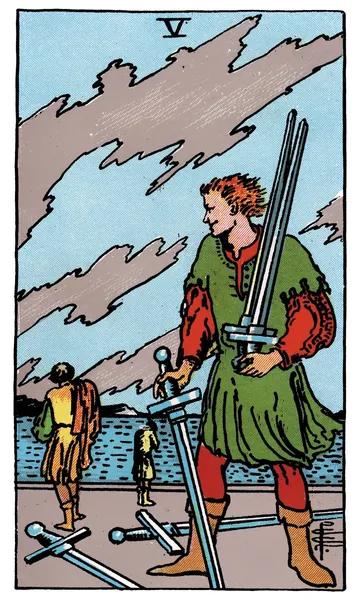
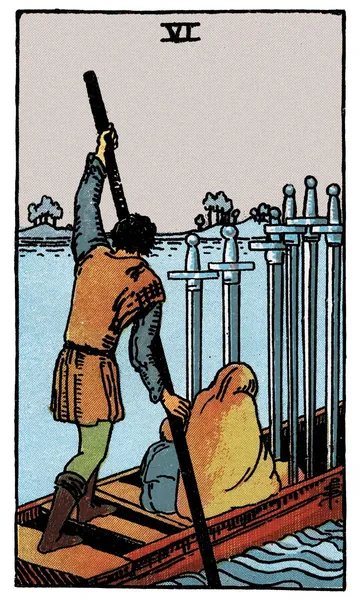
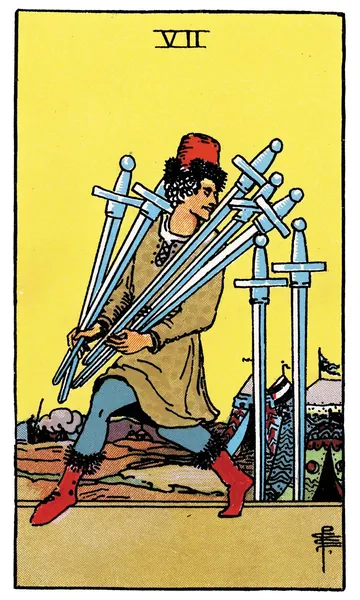
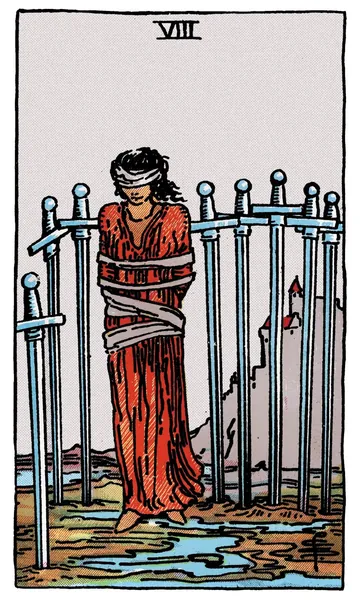
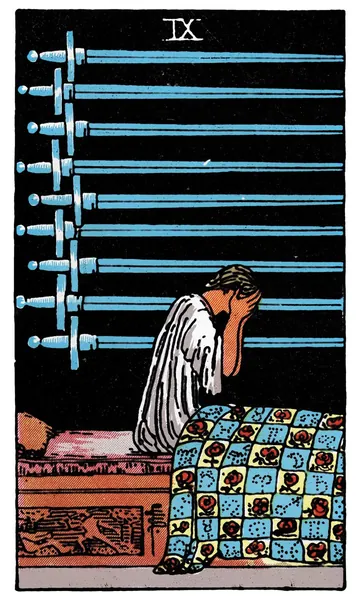
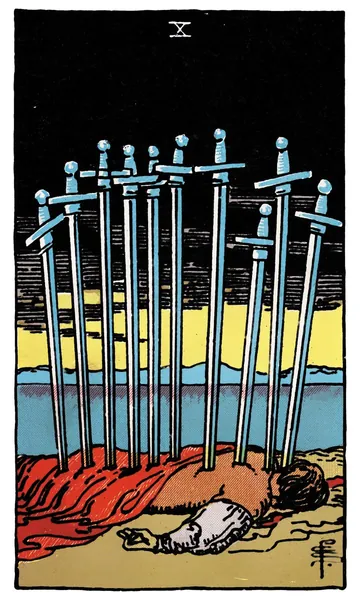
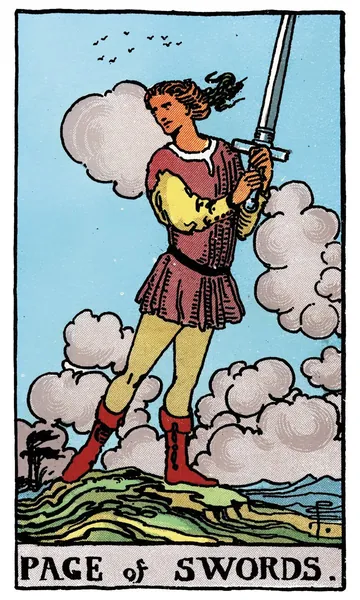
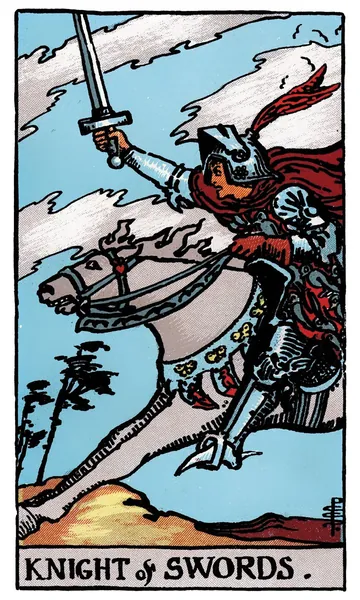
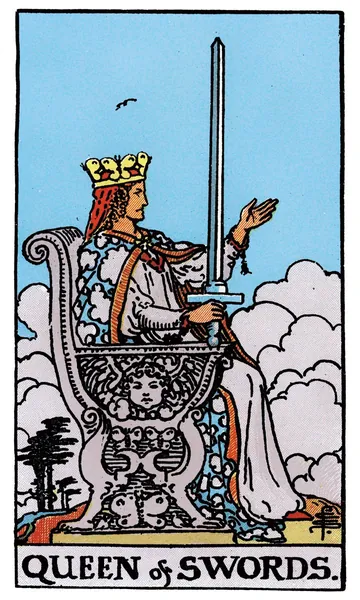
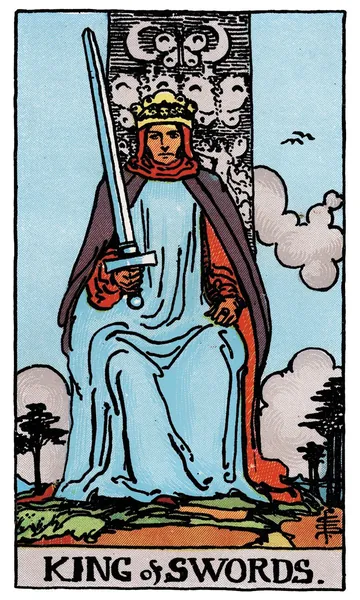
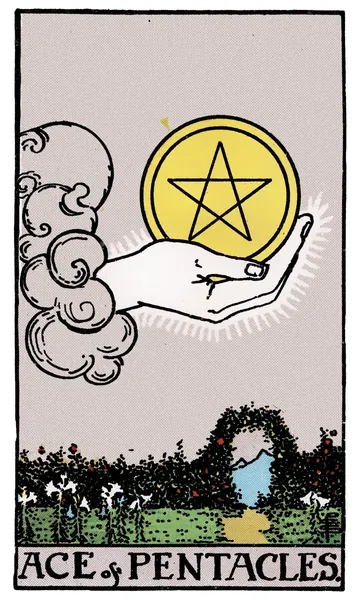
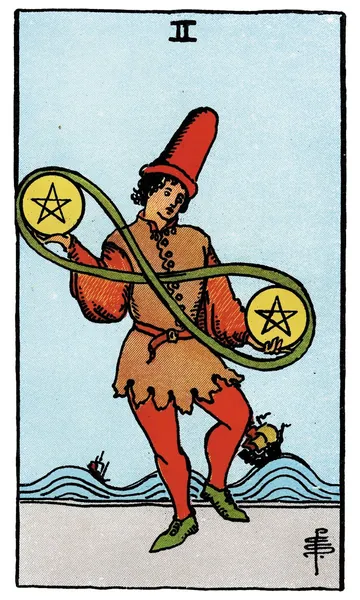
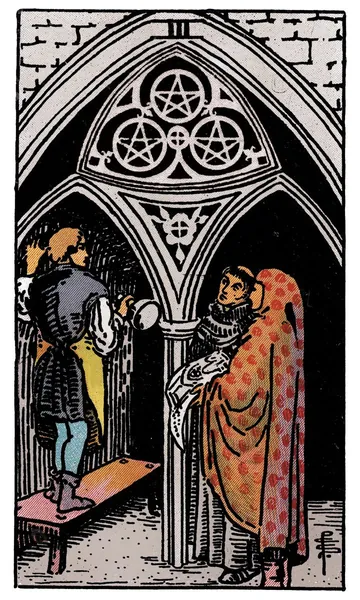
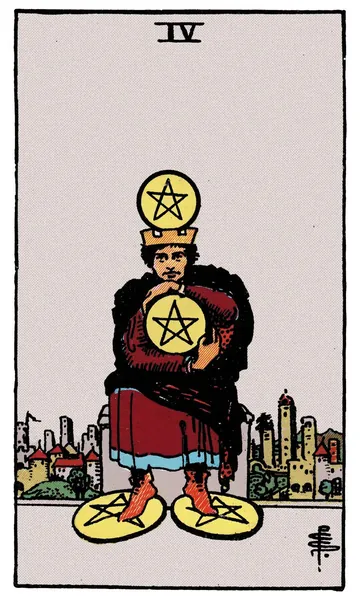
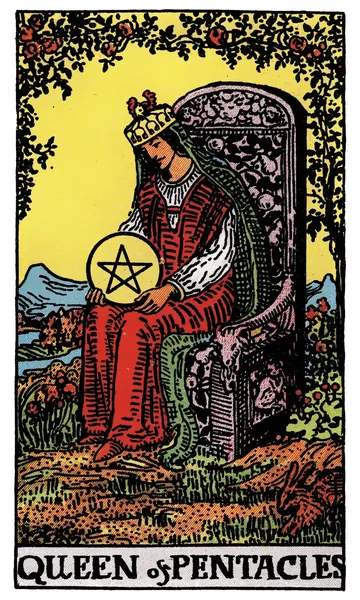
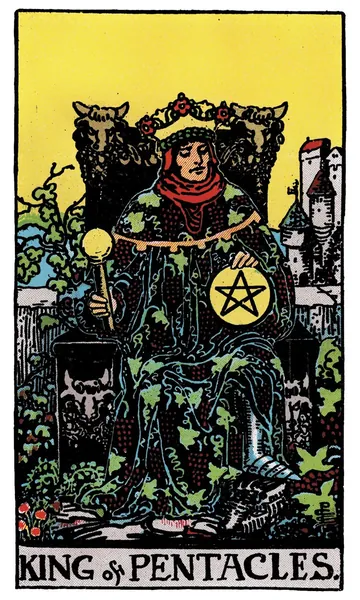
All 78 cards of the tarot, upright and reversed, for love, career, feelings and yes or no. Each card has its correspondences and a simple spell, written for witches.
Every tarot card tells part of a story. The pictures, colors and symbols on each card carry meanings that readers have built up for more than a century, and once you know them, the cards start to speak to you.
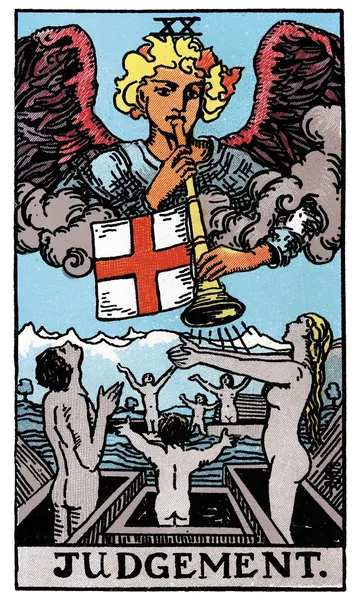
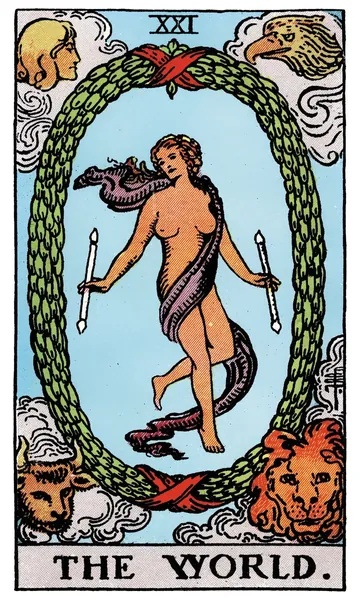
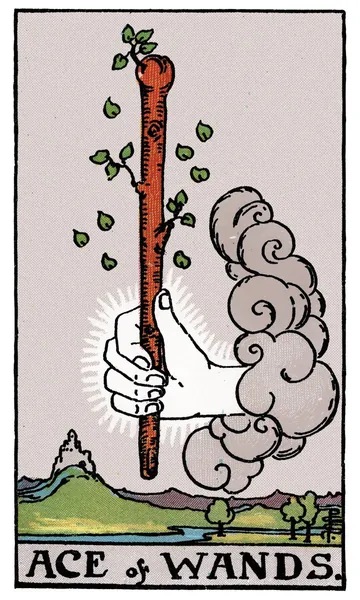
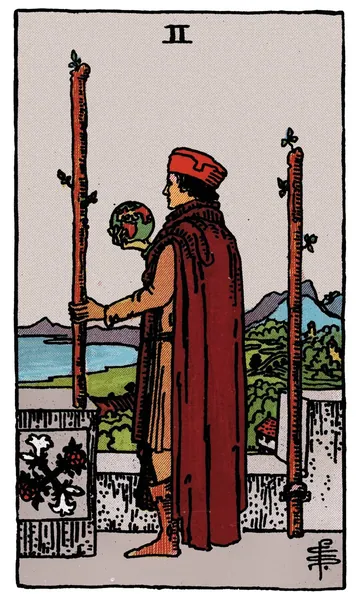
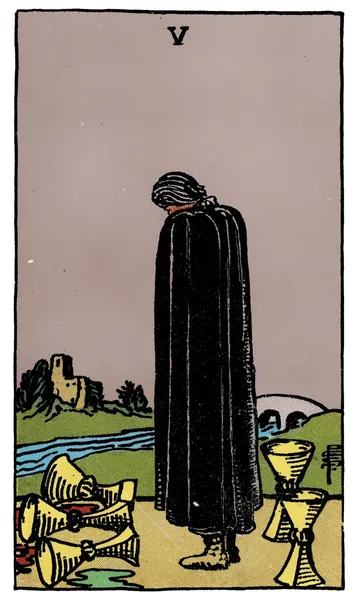
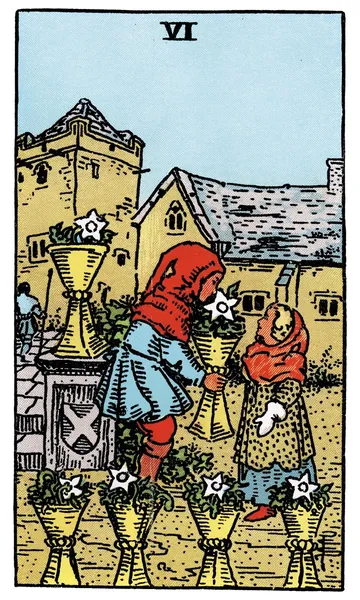
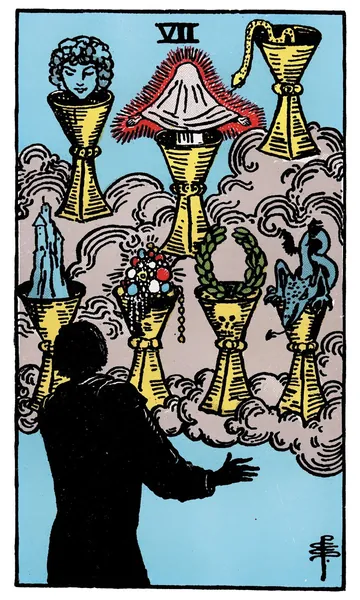
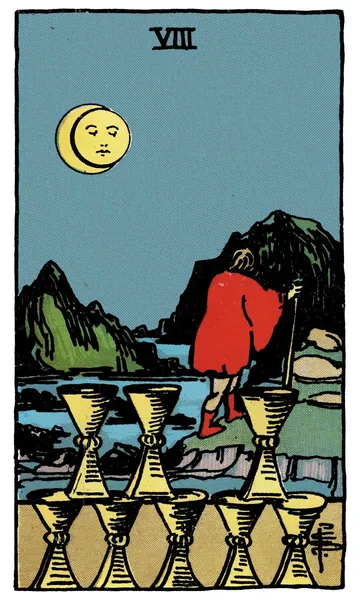
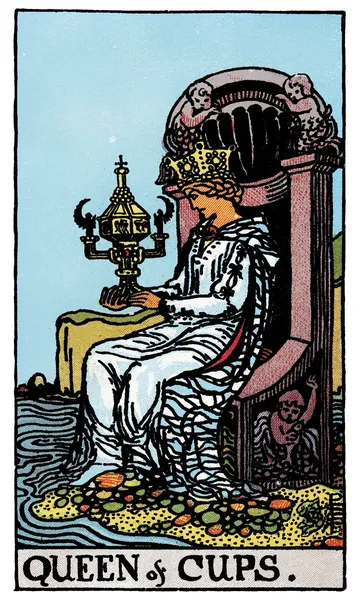
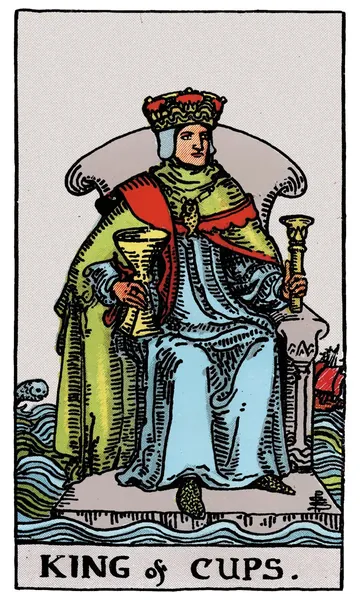
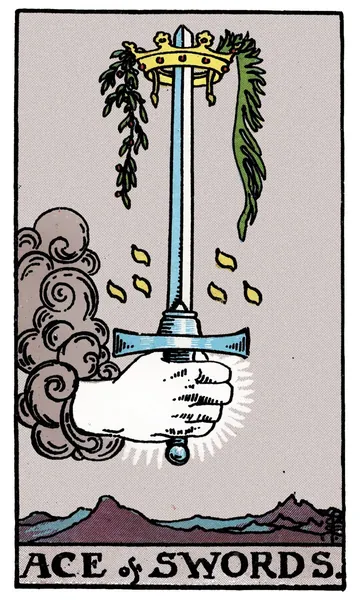
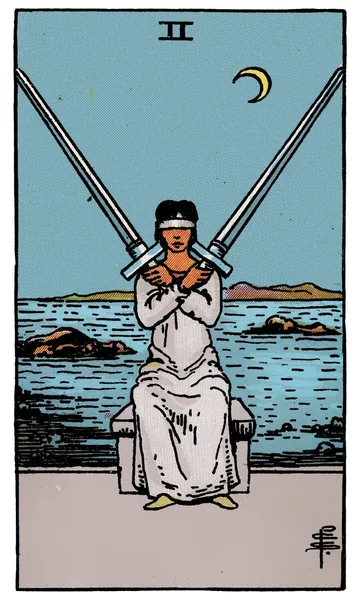
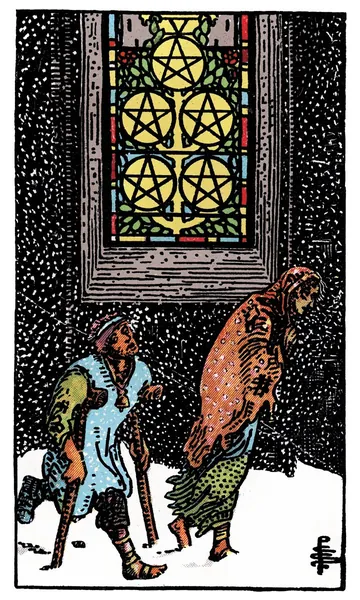
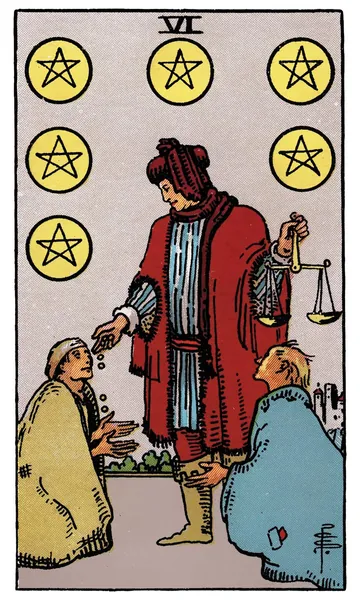
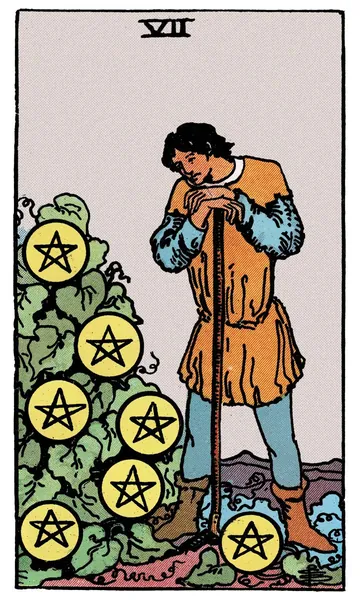
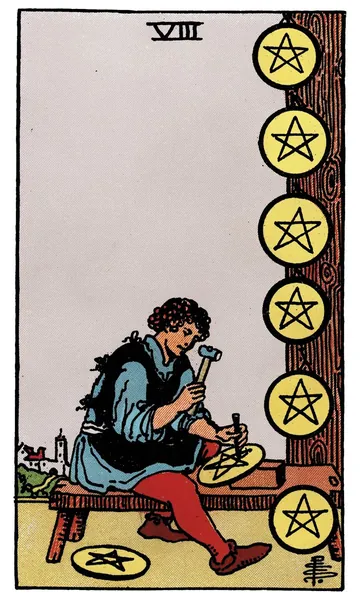
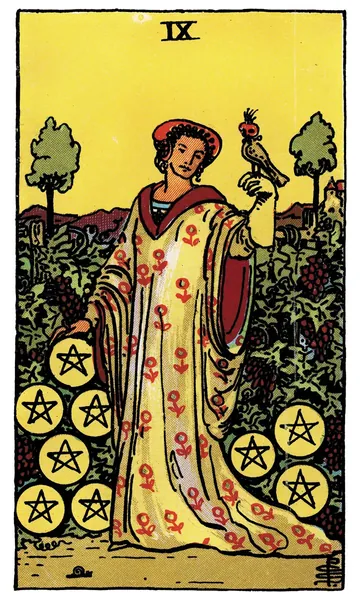
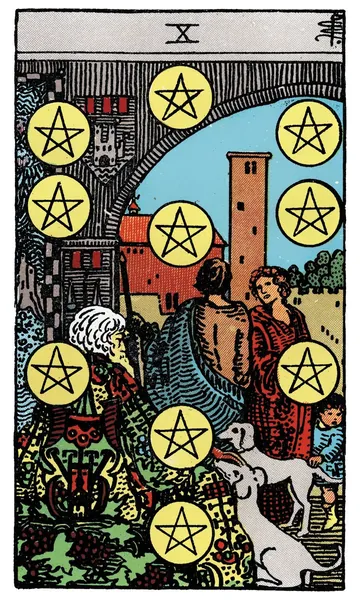
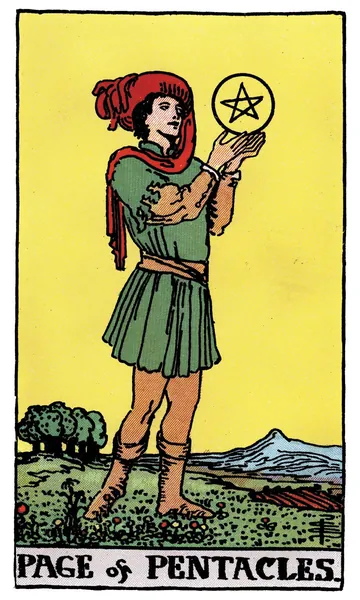
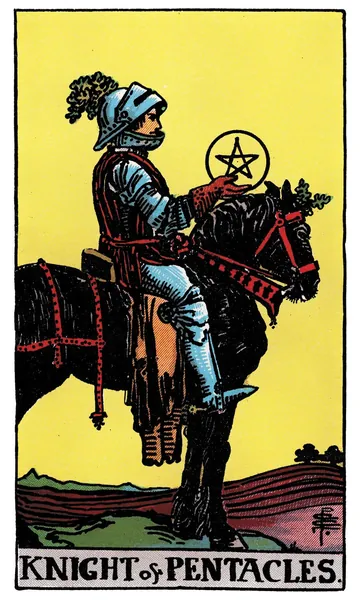
Pick a card below to read its full meaning. We're adding new cards every few weeks, starting with the Major Arcana. The pictures come from the original 1909 Rider-Waite-Smith deck, drawn by Pamela Colman Smith, which most modern decks still follow.
How to read a tarot card in 5 steps
Look before you look it up. Notice the colors, figures and objects, and how the card makes you feel.
Know the family. Major Arcana cards are big life lessons; the suits describe everyday matters (Wands: action, Cups: feelings, Swords: thoughts, Pentacles: the material world).
Check the direction. Upright, the card's energy flows; reversed, it's often blocked, delayed or turned inward.
Connect it to your question. Ask how the card's message fits your love life, work or inner world right now.
Write it down. Keep a tarot journal in your Book of Shadows and look back in a week.
Major Arcana
The 22 trump cards: life's big lessons and turning points, from The Fool to The World.
The Major Arcana are the 22 trump cards, numbered 0 to XXI. Many readers see them as the Fool's Journey: the Fool sets out into life and meets each card as a teacher, ending in wholeness with The World. When several turn up in one reading, something important is happening. For all 22 at a glance, read the Major Arcana explained.
The Minor Arcana are the 56 suit cards. Each suit has an Ace to Ten and four court cards (Page, Knight, Queen and King) and belongs to one of the four elements you'll know from Wicca: Wands to Fire, Cups to Water, Swords to Air and Pentacles to Earth. Learn the element and you're halfway to the meaning of every card in the suit.
Upright and reversed cards
Each card page gives an upright and a reversed meaning. A reversed card often shows the energy blocked, delayed, turned inward or overdone. Not everyone reads reversals, though. If you prefer to read every card upright, let the cards around it tell you whether things are flowing or stuck.
Practice and go deeper
Before your first reading, cleanse your deck with one of the methods in how to cleanse a tarot deck, and try the other methods in divination for beginners. Every card page links its crystals, herbs and candle colors to The Witch's Cabinet, so you can use the cards in spells and on your altar. To learn every card, spread and reading technique step by step, take our Tarot course.
Tarot card meaning FAQs
How many tarot cards are there?
A standard tarot deck has 78 cards: 22 Major Arcana and 56 Minor Arcana. The Minor Arcana are split into four suits of 14 cards each: Wands, Cups, Swords and Pentacles.
What is the difference between the Major and Minor Arcana?
The Major Arcana are the 22 trump cards, such as The Fool and Death, and stand for big life lessons and turning points. The Minor Arcana are the 56 suit cards and describe everyday events, feelings and actions.
What does a reversed tarot card mean?
A reversed card is one that comes out upside down. Many readers take it as the card's energy being blocked, delayed or turned inward. Some readers do not use reversals at all, and both approaches are valid.
Which tarot deck should a beginner use?
Most beginners start with the Rider-Waite-Smith deck from 1909 or a modern deck based on it, because its pictures tell a story and most books and websites, including this one, use its imagery.
How do I learn the tarot card meanings?
Draw one card a day, look closely at the picture before reading the meaning, and note your impressions in a journal. Learning the four suits and their elements first makes the 56 Minor Arcana much easier.
☾
The Wednesday coven meeting starts soonWitches meet live every Wednesday at 7pm ET. Become a member and join us tonight.