Samhain is the night many witches set a place at the table for the people they've lost, light a candle in the window, and remember the ones who came before them.
Of all the ways to celebrate Samhain, honoring the ancestors may be the oldest and the most personal. It doesn't need expensive tools or a long ritual. It needs a little time, a few meaningful objects, and a willingness to remember.
In this article, we'll look at why Samhain is the season of the ancestors, who counts as an ancestor, how to build an ancestor altar, how to hold a dumb supper, and several gentle ways to connect with your beloved dead.
Why Samhain Is the Season of the Ancestors
Samhain (pronounced SOW-in) marks the end of the harvest and the beginning of the dark half of the year on the Wheel of the Year. For many Wiccans and pagans, it's also the witch's new year. In early Irish stories, Samhain was a time when the boundary between this world and the Otherworld opened, and beings from the other side could pass through.
That's where the popular saying comes from: on Samhain, the veil between the worlds is thin. Some people take that literally and some see it as a poetic way of describing the season. Either way, it shapes the mood of the festival. With the fields bare and the nights drawing in, it's natural to think about endings, death and the people who have gone before us.
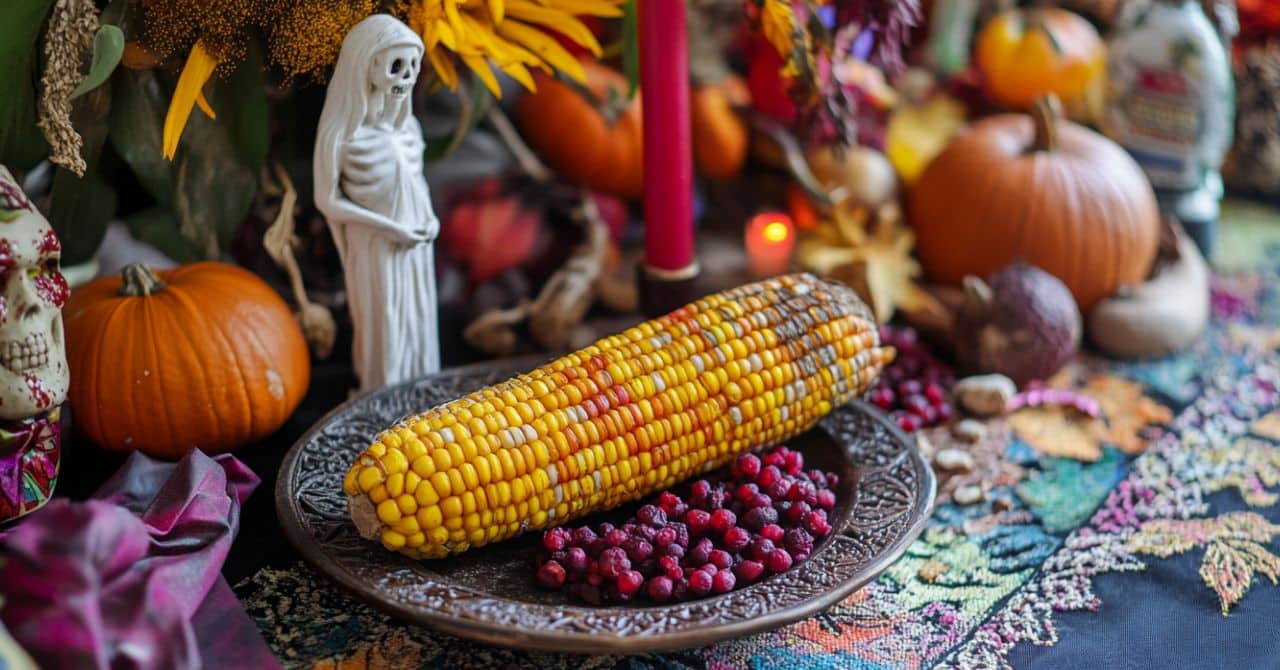
Remembering the dead at this time of year is shared by many cultures. Christian churches mark All Saints' Day on November 1 and All Souls' Day on November 2, and in Mexico families honor their loved ones during Día de Muertos. Each is its own living tradition, and we can respect them without borrowing their practices. If you're new to the festival, our guide to Samhain and its history is a good place to start.
Who Counts as an Ancestor?
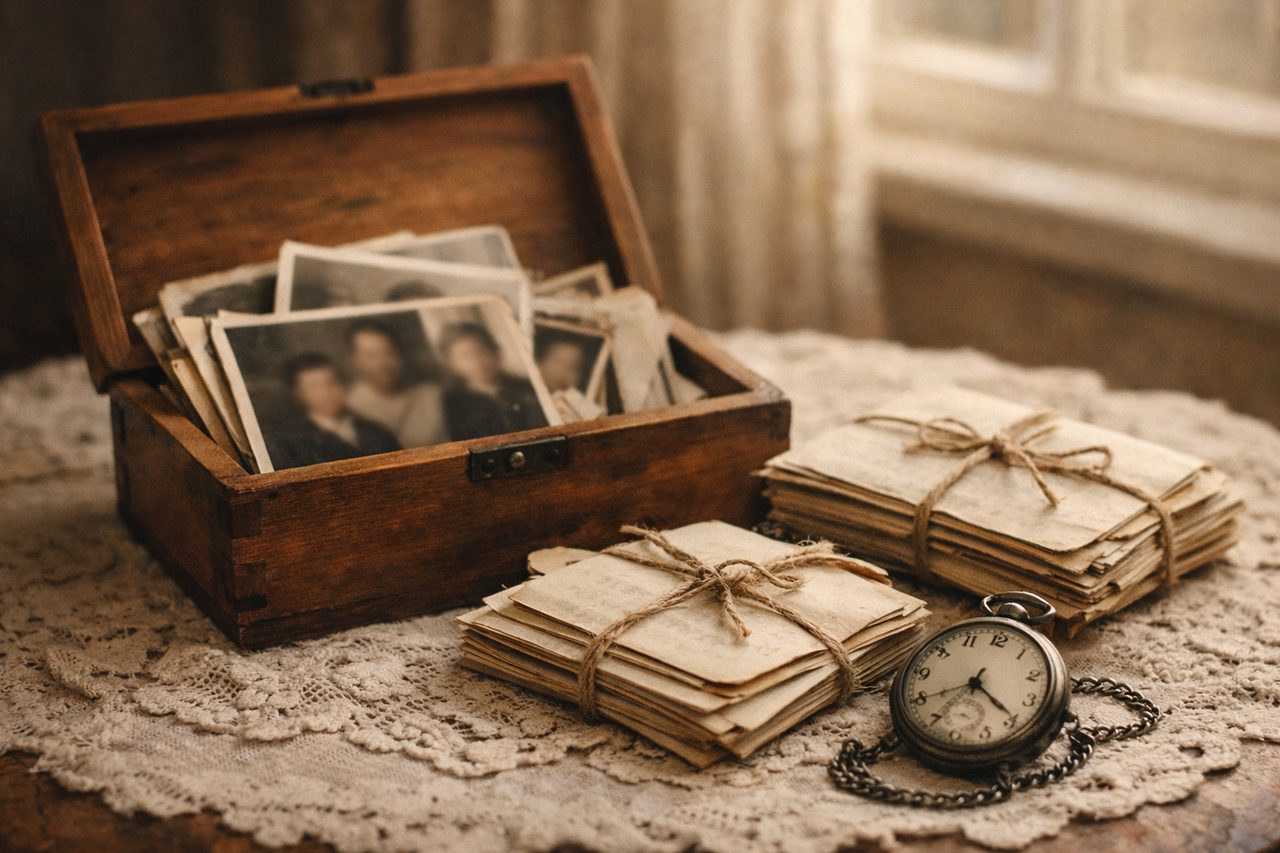
When we say "ancestors," most people think of grandparents and great-grandparents. But many witches take a wider view. Your ancestors can include:
- Ancestors of blood: your family line, including the relatives you never met.
- Chosen family: friends, mentors and loved ones who shaped you, even if you weren't related.
- Ancestors of spirit or craft: the witches, healers, writers and teachers whose work you carry on.
- Ancestors of place: the people who lived on and cared for the land where you live now.
- Beloved animals: the pets and animal companions you've said goodbye to.
Not everyone has a happy family history. If some of your relatives caused harm, you don't have to honor them. You can choose to work only with the "well ancestors," the loving and wise ones, or with chosen family alone. That choice is yours, and it's a valid one.
How to Build an Ancestor Altar
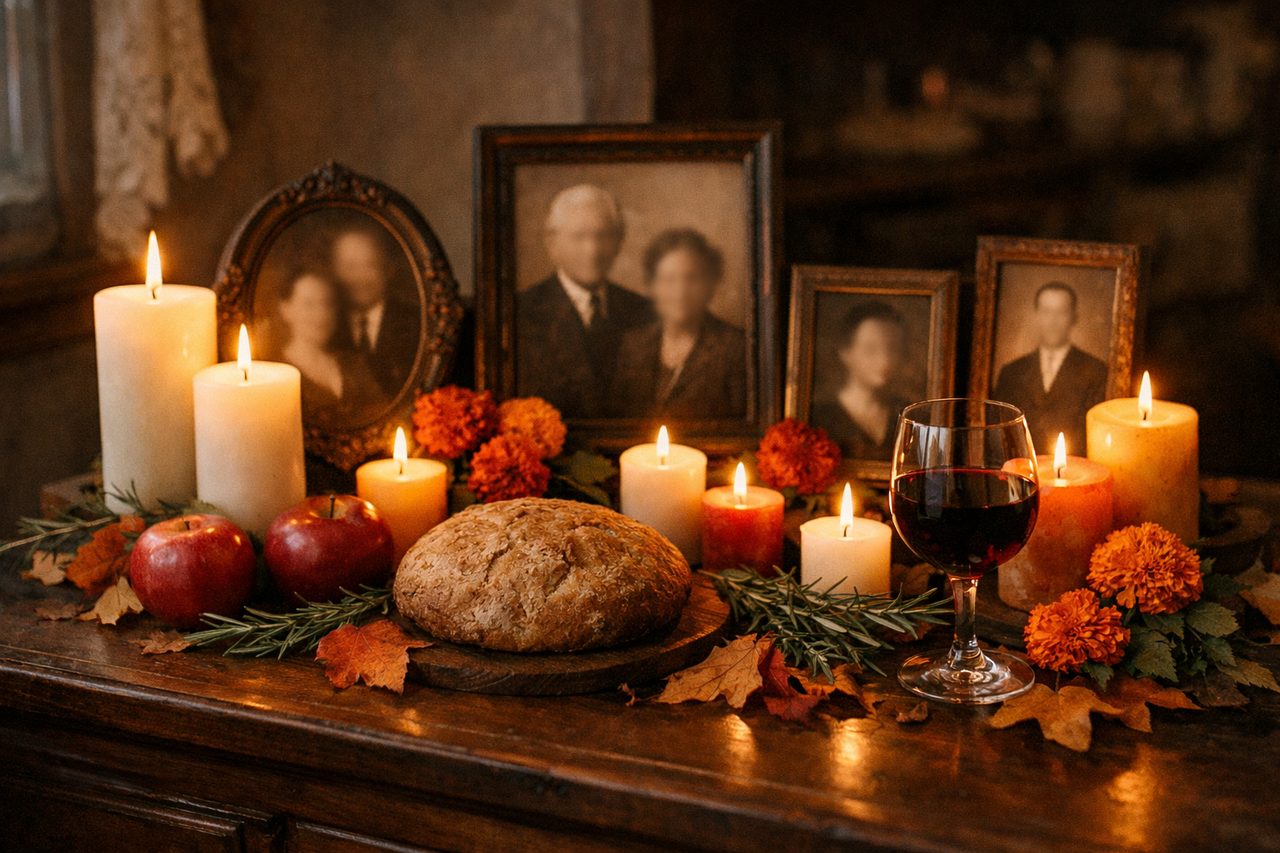
An ancestor altar is simply a special place where you remember your beloved dead. It can be a whole table or a corner of a shelf. Some witches keep one all year, while others set one up just for Samhain. Here's what you might include:
- Photographs of those you're remembering. If you don't have photos, write their names on cards.
- Candles. White for peace and remembrance, black for protection, or orange for the season.
- Heirlooms and keepsakes: a ring, a recipe card, a favorite book, a pair of glasses.
- Seasonal symbols: apples, pumpkins, autumn leaves, acorns and dried flowers.
- Herbs: rosemary for remembrance, mugwort for dreams and connection, or sage.
- Offerings: a little of the food and drink they loved (more on that below).
Keep the altar clean and tend it while it's up: dust it, change the water, and refresh any food offerings before they spoil. For more decorating ideas, see our Samhain altar ideas and beginner's guide to Wiccan altars. Before you set it up, a quick cleansing of the space helps it feel fresh and welcoming.
How to Hold a Dumb Supper
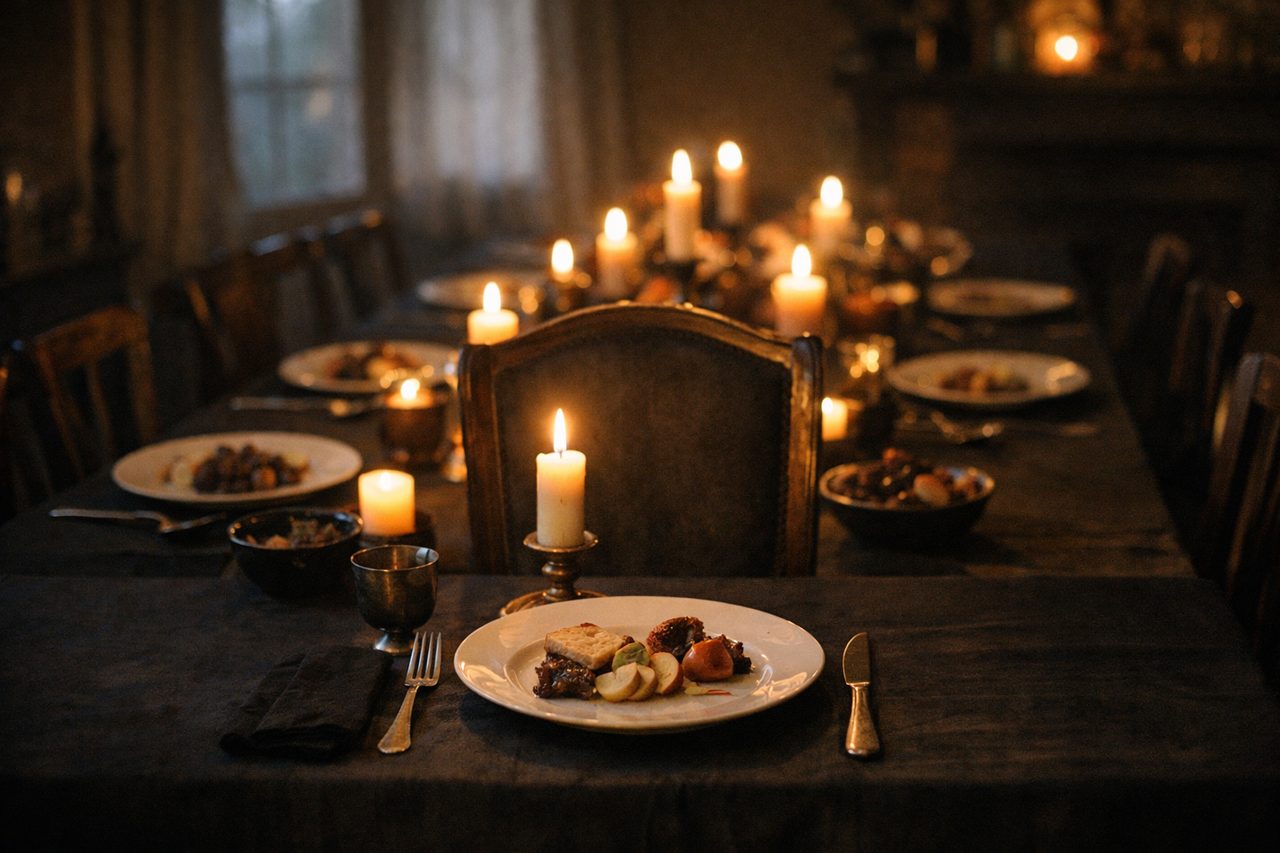
A dumb supper is a meal eaten in complete silence ("dumb" here means "without speaking"), with a place set for the dead. The idea has roots in American folk tradition, where young women once prepared a silent supper on certain nights hoping to glimpse their future husband. Modern pagans have reshaped it into a quiet, moving way to share a meal with the ancestors at Samhain.
There's no single right way to do it, but here's a simple version:
- Prepare the table. Use a dark cloth if you have one, and set a place for each guest plus one extra place for the ancestors. Put a candle and a photo or name card at the spirit place.
- Explain the rules beforehand. Once everyone sits down, no one speaks until the meal is over. Turn phones off.
- Light the candles and serve. Some groups serve the ancestors' plate first. Put a small portion of each dish on it.
- Eat in silence. Let your thoughts turn to the people you're remembering. Some people write a letter to a loved one during the meal and leave it at the spirit place.
- Close the supper. When everyone has finished, the host thanks the ancestors aloud. Then you can talk, share memories and stories.
- Leave the spirit plate. Leave it out overnight, then place the food outside under a tree or in the garden the next day.
If you live alone, a dumb supper works beautifully as a solitary ritual too. Cook a dish your grandmother loved, set two places, and eat quietly by candlelight.
Offerings for Your Ancestors
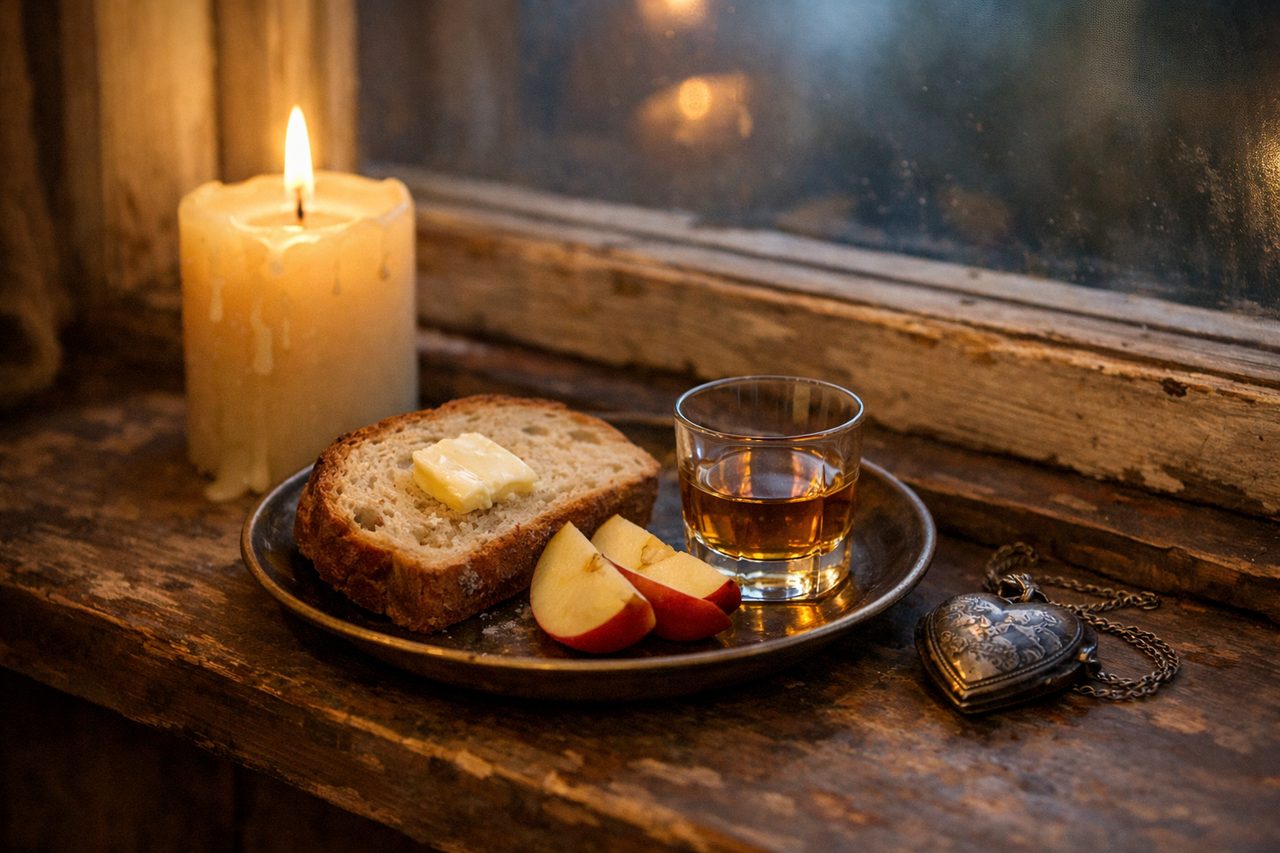
Offerings are small gifts that say, "I remember you, and I'm thinking of you." The best offering is something your ancestor actually enjoyed. Some common choices:
- A slice of bread, a piece of cake or a portion of a family recipe.
- A small glass of water, wine, whiskey, tea or coffee (made the way they liked it).
- Apples, pomegranates or other fruits of the season.
- Fresh flowers, especially their favorites.
- A song, a poem, or simply time spent telling their story.
Leave food and drink out for a day or so, then return it to the earth or dispose of it respectfully. Don't eat it afterwards; it has been given away.
More Ways to Honor Your Ancestors
Light a Candle in the Window
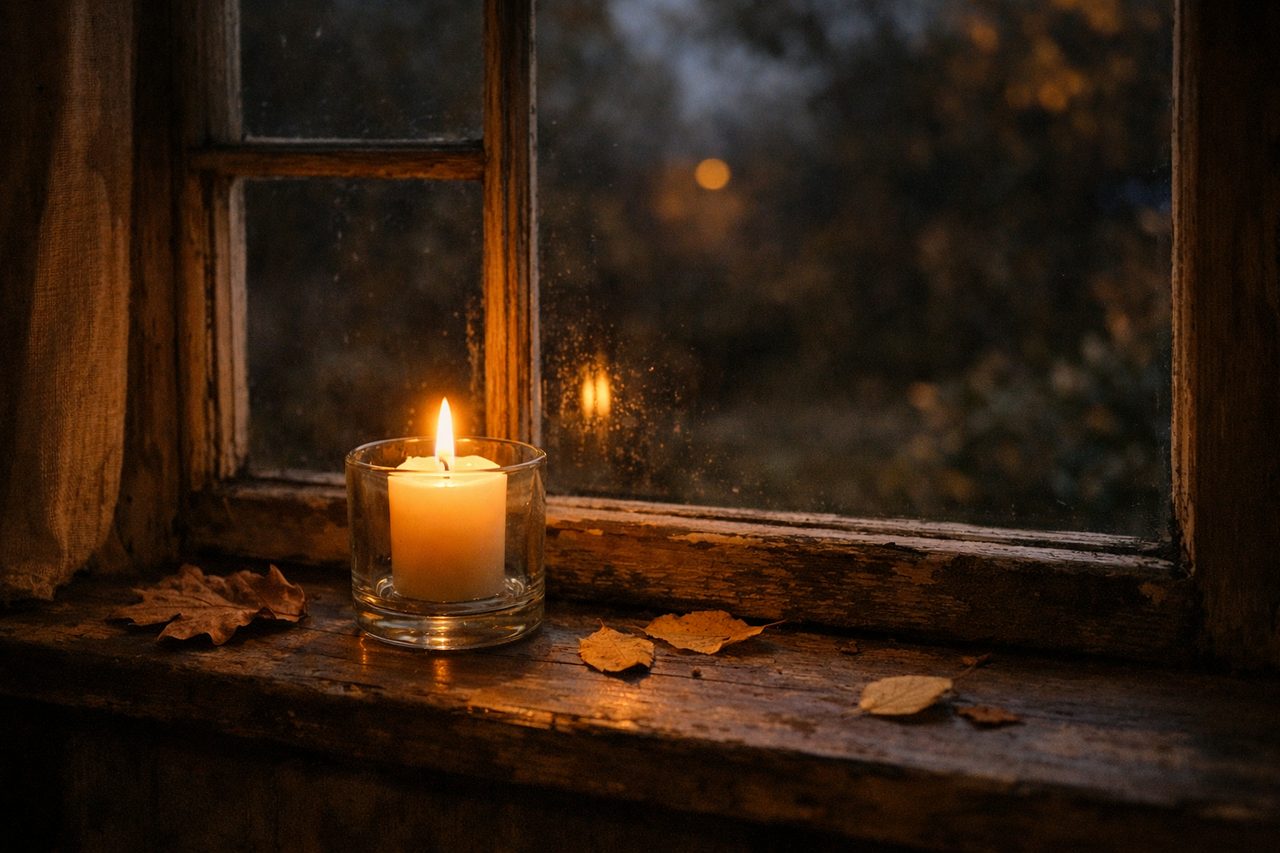
One of the simplest Samhain customs is a candle in the window to guide the spirits of loved ones home. If you'd rather not leave a real flame burning, a battery candle works perfectly and is much safer.
Cook a Family Recipe
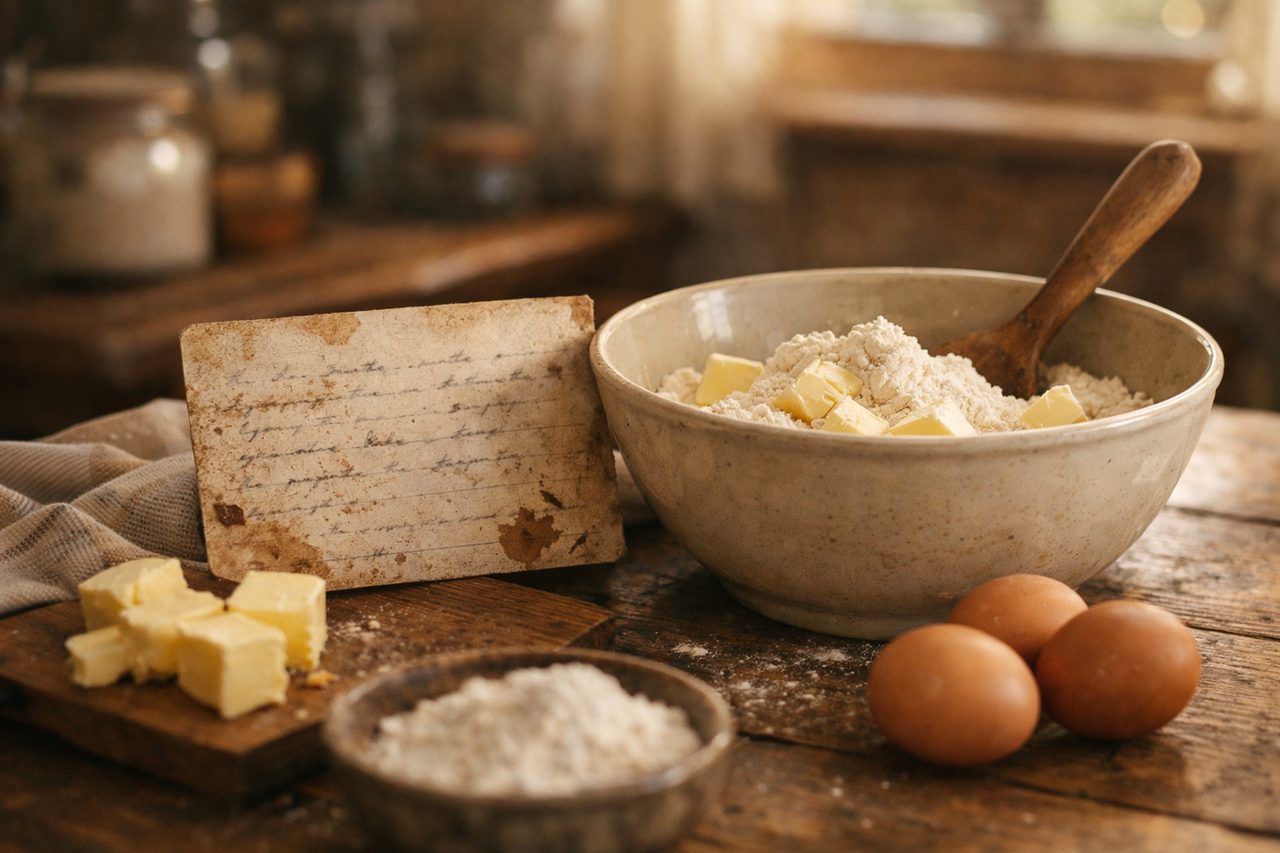
Food carries memory like nothing else. Cooking a dish your family has made for generations is a kind of magick: your hands repeat what theirs did. For seasonal ideas, see our Samhain recipes and foods.
Visit and Tend a Grave
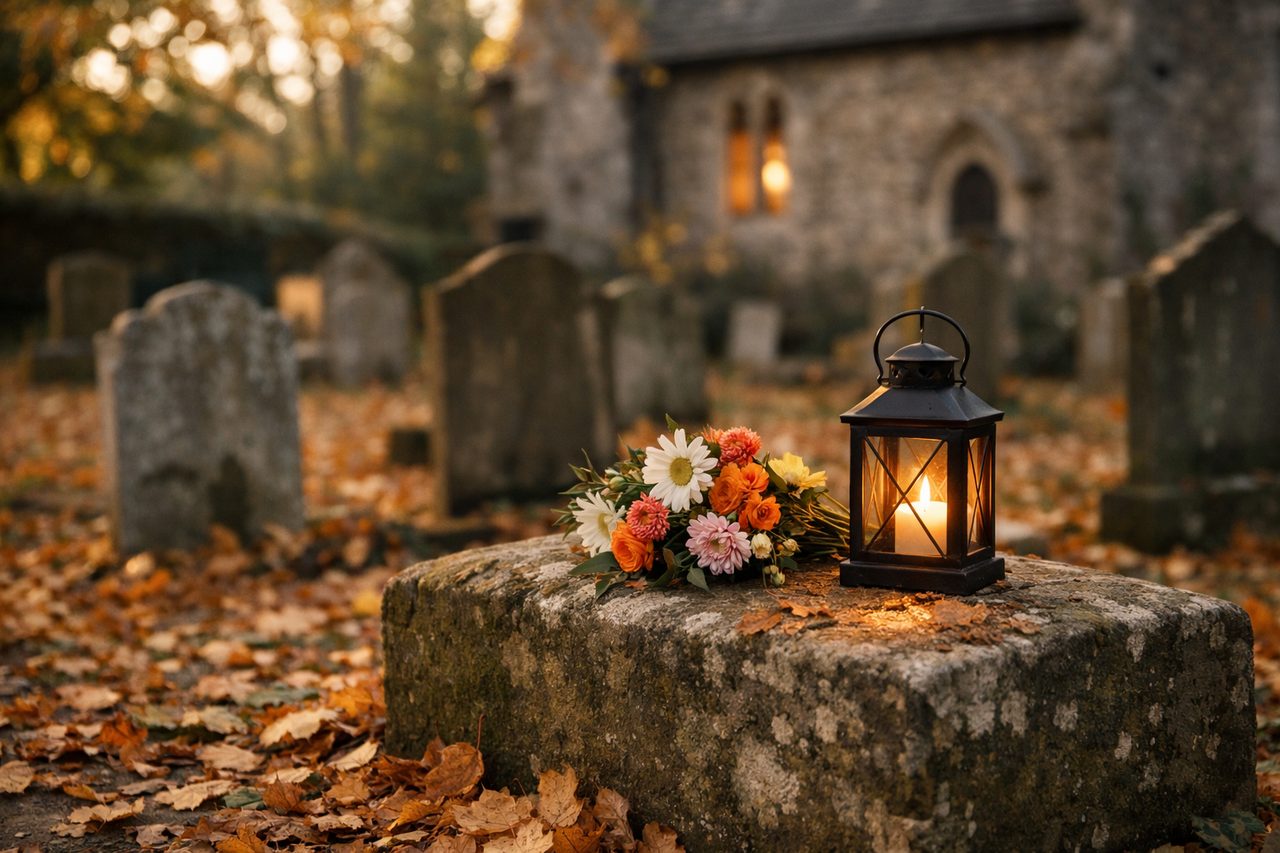
If your loved ones are buried nearby, visit them. Clear away leaves, bring flowers, and spend a few quiet minutes. Always follow the cemetery's rules and be respectful of other families.
Research Your Family Tree
Learning names, places and stories you didn't know is a powerful way to honor the dead. Ask older relatives while you can, and write down what they tell you.
Listen for Messages
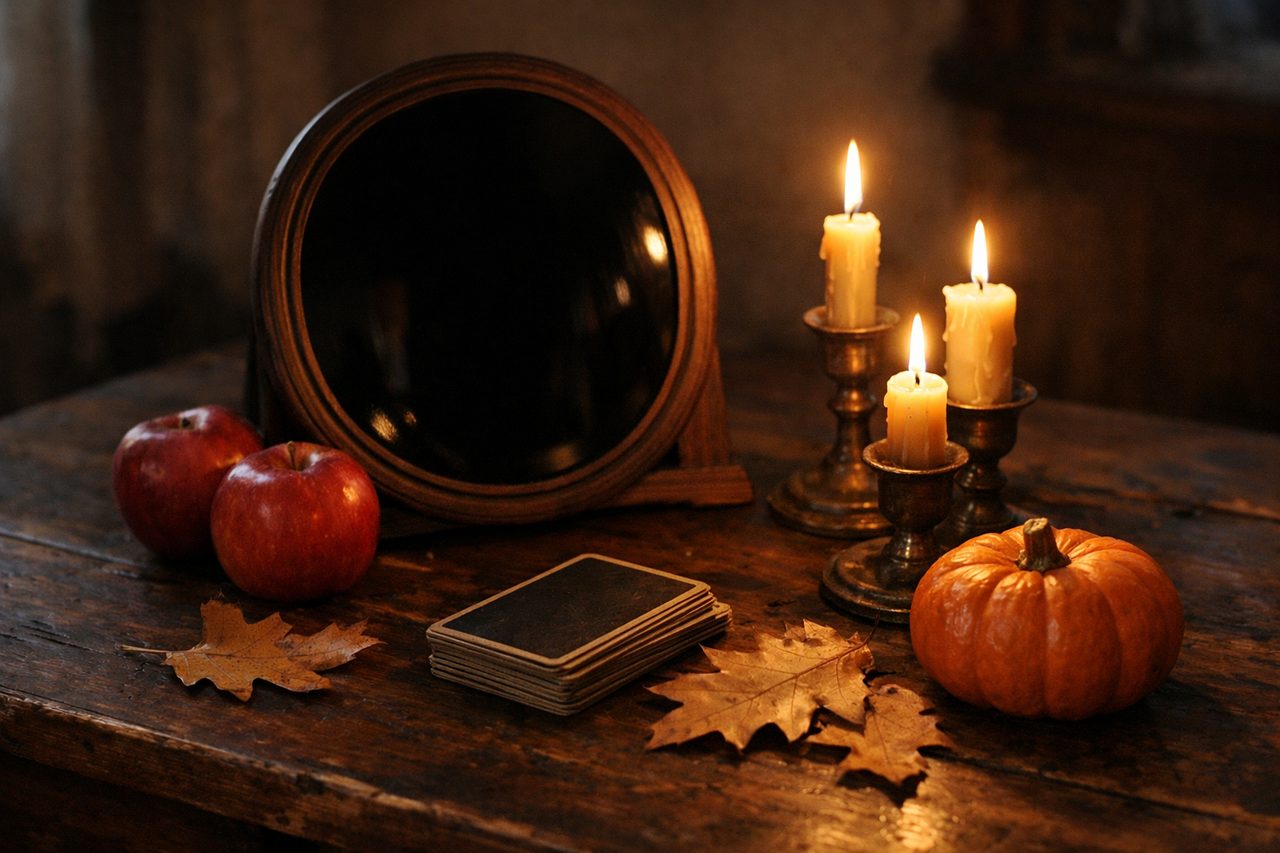
Many witches use Samhain for divination with the ancestors, through tarot, a pendulum or dreams. Our Samhain divination guide has seven methods, including a pendulum practice for ancestor guidance. If you'd like to learn more about working with spirits in general, take things slowly and always set clear boundaries.
A Simple Ancestor Blessing
If you're not sure what to say at your altar or supper, try this. Light a candle, hold a photo or say their names, and speak from the heart:
"Beloved ancestors, those whose names I know and those I don't, I light this flame in your honor. Thank you for the life that passed through you to me. Be welcome here tonight, and may only love pass between us. Blessed be."
Sit with the candle for a while. Share a memory out loud, or simply be quiet and notice what you feel.
Safety Notes
- Never leave candles burning unattended, especially in windows near curtains. Battery candles are a great alternative.
- Keep food offerings away from pets, and don't leave out anything toxic to animals, like grapes, chocolate or alcohol, where they can reach it.
- Grief can surface strongly at Samhain. Be gentle with yourself, and reach out to friends or a grief counselor if you need support.
Final Thoughts
Honoring your ancestors at Samhain isn't about getting every detail right. It's about remembering, saying their names, and keeping a little of their story alive in your home and your practice. A single photograph and a candle is enough to begin.
How will you honor your ancestors this Samhain? Tell us in the comments!
Sources
Hutton, Ronald. The Stations of the Sun: A History of the Ritual Year in Britain. Oxford University Press, 1996.
Randolph, Vance. Ozark Superstitions. Columbia University Press, 1947 (reprinted as Ozark Magic and Folklore, Dover, 1964).
Starhawk, M. Macha NightMare and the Reclaiming Collective. The Pagan Book of Living and Dying. HarperOne, 1997.
Cunningham, Scott. Wicca: A Guide for the Solitary Practitioner. Llewellyn Publications, 1988.
Check out our other articles:
Wiccan Holidays: Samhain
Samhain Altar Ideas
Samhain Divination
The Colors of Samhain
See All Articles
Love this article? Share the magick with your friends and loved ones!